Stanislaus County residents can expect Medi-Cal changes, higher premiums in 2026
AI-generated summary reviewed by our newsroom.
- Federal cuts and policy shifts will shrink Medi-Cal coverage and raise local costs.
- Elimination of enhanced tax credits will increase premiums for Covered California.
- New Medi-Cal rules add work requirements, asset tests and twice-yearly eligibility checks.
The federal cuts to health care programs next year will affect thousands of people in Stanislaus County and create gaps in the safety net that can’t be remedied by county and state government.
While most low-income people in the Medi-Cal program won’t see changes to eligibility and benefits, as many as a million people in California may leave the health program as a result of federal changes, according to a report from the state Legislative Analyst’s Office.
Hospitals expect to gradually receive lower payments for care of Medi-Cal patients and will carry a heavier burden of uncompensated care, especially rural hospitals in the San Joaquin Valley that serve the poor.
“Maintaining the state’s health coverage expansions in the midst of fiscal constraints and the evolving policy landscape will be challenging,” the LAO’s assessment concluded. “More Californians will likely lack coverage, be uninsured or face out-of-pocket costs. This will erode the state’s efforts to expand the share of Californians with health coverage.”
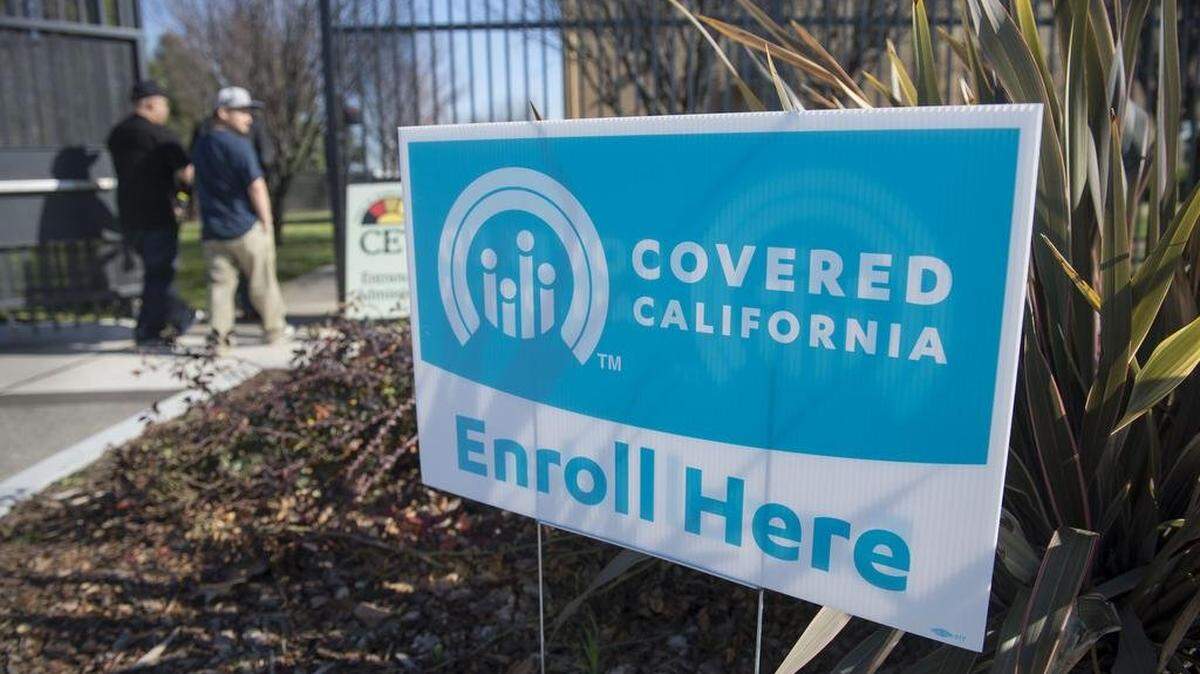
The federal budget bill will eliminate the enhanced premium tax credits for Covered California enrollees, causing monthly rates to sharply increase for some. Stanislaus County has around 28,000 residents in Covered California. Republican critics of the Affordable Care Act have argued the subsidies pour billions of dollars into the pockets of insurance companies and the ACA should be restructured.
Congress could still act to extend the subsidies into next year, but there’s not much time to amend the ACA before January.
Covered California estimates that 92% of enrollees will still receive some financial help in 2026, and almost half of them will be able to find a health plan for $10 or less per month. As many as 400,000 Californians could drop coverage due to rising costs of the insurance plans.
The ACA program is an option for people who don’t have coverage from an employer, Medicare or Medi-Cal. Those who need coverage or need to change their plan selection must enroll by Dec. 15 for the insurance to begin Jan. 1.
Central Valley Doctors Health System decided to offer appointments with certified counselors to make sure Covered California patients continue insurance and maintain access to the health system and their doctors. Jay Krishnaswamy, chief executive of the Central Valley system, which includes Doctors Medical Center, said the health system’s goal is to help community members who need coverage to choose a Covered California plan that meets their needs and price range.
The Covered California website has information about health plans that cover physician services, emergency care, hospitals stays and prescription drugs.
Changes to Medi-Cal program
The federal bill will freeze enrollment in full-scope Medi-Cal for undocumented adults age 19 and older. Immigrants currently enrolled can stay in the program as long as they keep up with renewals. California extended Medi-Cal eligibility to undocumented adults by age group between 2020 and 2024, and the program accepts children and pregnant women regardless of immigration status.
The bill also is bringing back an evaluation of asset limits for older adults and disabled people as part of Medi-Cal applications or renewals. The limit will be $130,000 for one person and add $65,000 for each additional household member. A person’s home and one vehicle are not counted as assets.
Other program changes include Medi-Cal work requirements and more frequent eligibility renewals, which are expected to create paperwork hassles:
- Enrollees must perform 80 hours per month of community engagement — it could be employment, work training, education or volunteering.
- People will need to document eligibility every six months rather than the annual renewal process. According to the California Budget and Policy Center, the state still may offer protections to help with renewals.
Further down the road, adults who qualified for Medi-Cal through the ACA expansion will be charged a $35 copayment for certain medical appointments, starting in October 2028, though that won’t apply at certain community or rural health clinics.
Planning for response in 2026
While the LAO assessments suggested some ways the state can lessen the impacts, local nonprofit groups called for planning with the county to respond to potential problems created by Medi-Cal changes, rising insurance premiums and cuts to rental assistance.
Representatives of nonprofit groups told county supervisors Nov. 18 that the food emergency caused by suspension of CalFresh benefits during the federal government shutdown was a preview of things to come in 2026 for vulnerable residents.
The local network of nonprofits, which distributed $300,000 in cards for purchasing food, said people seeking help at family resource centers were asking what’s next.
Andrew Timbie, chief executive officer of Sierra Vista Child & Family Services, said the groups see a looming crisis tied to changes in the federal budget bill. Timbie noted that 46% of county residents are in Medi-Cal and about 20% are foreign born.
“Our nonprofit sector is being buried,” Timbie said. “We are asking the county to work with our nonprofit groups so we’re not crushed under the weight of what’s coming in 2026.”
Keristofer Seryani, president and CEO of United Way Stanislaus County, said the food emergency sparked a major surge in calls to the 211 information line in late October and early November. He joined other nonprofits in asking county leaders to partner with them and begin planning for more problems coming next year.
“Nonprofits will continue to rise to the occasion but cannot and should not be expected to absorb these challenges alone,” Seryani said. “We have the infrastructure, the data and the relationships. We simply need the county at the table with us investing and planning and ensuring that, when the next crisis arises, we are not responding out of urgency but out of preparation.”
Those interested in free assistance with Covered California issues through Central Valley Doctors Health System may call 209-260-0287 to speak with a certified counselor.
The Sacramento Bee contributed to this report.