Big wage proposals at stake in Kaiser employee strike. Not much action in Modesto
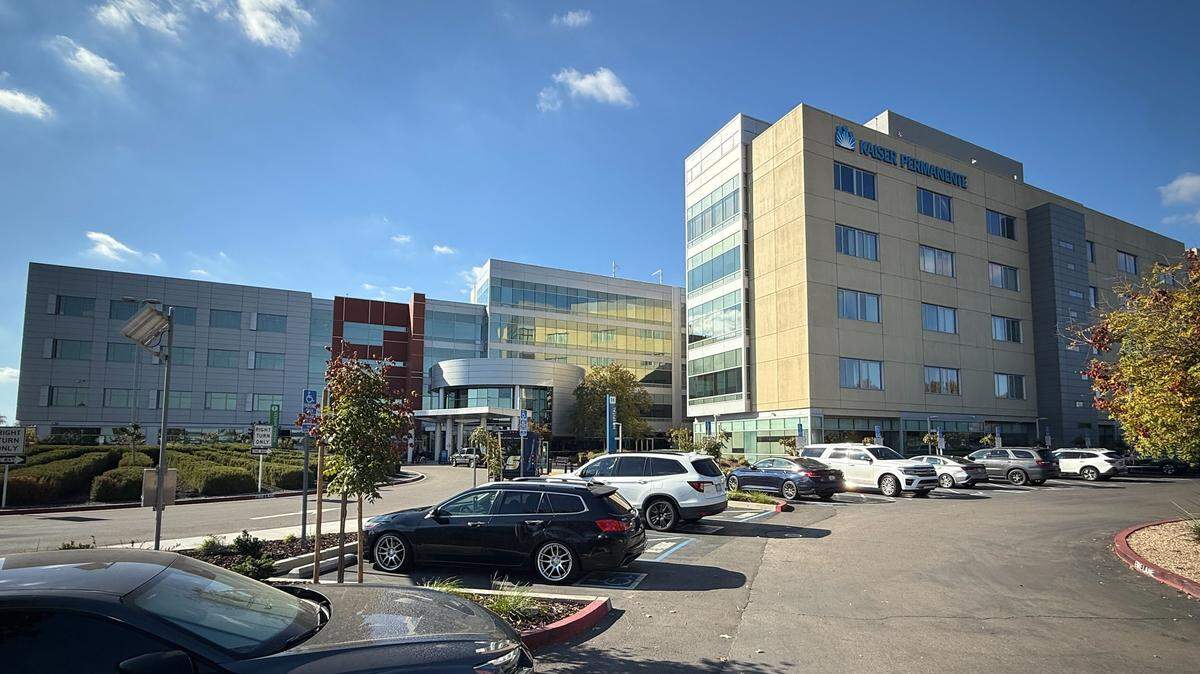
A strike involving Kaiser Permanente health care workers entered a third day Thursday with no agreement in the contract talks.
At Northern California Kaiser facilities, the strike includes 2,800 physical therapists, nurse midwives, physician assistants, occupational therapists and other skilled employees represented by United Nurses Associations of California and the Union of Health Care Professionals.
A broader strike has involved 31,000 Kaiser employees in California, Oregon and Hawaii. The union action hasn’t been as visible in Stanislaus County, as the Kaiser hospital in north Modesto hasn’t been a key location for picketing.
Kaiser Permanente said 3% of appointments and surgeries across Northern California are being rescheduled. Kaiser is converting some appointments to phone, video or electronic chats. Pharmacies are open and operating on normal schedules, said Jordan Scott, a Kaiser spokesman for the Central Valley.
The Oakland-based health care titan said it’s ready to resume negotiations after the five-day strike ends Sunday. As is typical with strikes affecting hospitals, arrangements are made to staff facilities with physicians, managers, temporary nurses and employees who volunteer to maintain essential services.
The labor issue is marked by sizable wage proposals that would be folded into four-year contracts with bargaining units.
Kaiser argued the strike is unnecessary after offering a 21.5% increase and another half percent for local bargaining groups. The unions are seeking 25% raises, which would increase the $6.3 billion payroll cost for those employees by $2.2 billion, Kaiser said.
The corporation added that the wage costs would result in higher rates for customers paying for Kaiser Permanente health plans. The Kaiser system serves around 12.5 million patients, and around 60,000 employees have a stake in the labor negotiations.
Kaiser noted that unionized registered nurses in Southern California earning $77 an hour would see their hourly pay raised to $101.69 by the end of the four-year contract. That’s a leap from $160,860 to $211,500 annually.
Kaiser has been engaged in contract talks since May with the Alliance of Health Care Unions — a federation of 23 unions of Kaiser workers — as the health system also negotiated for individual contracts with the local bargaining groups. Not all the unions are participating in the strike.
Kaiser said early in the week that it had reached agreements with 17 of 54 local bargaining groups but remained at loggerheads with the federation over the broader agreement.
A union official said the AHCU’s previous contract, providing 10% wage increases over four years, was negotiated in 2021 before the worst of U.S. inflation , which accounts for the aggressive wage proposals during the talks. Hal Ruddick, executive director of the AHCU, told The Sacramento Bee it was time for the wages to catch up with inflation.
The union is advocating to add language to its contract that would give members more influence in patient scheduling. It would not require Kaiser to make any commitments to specific schedules, but rather would establish a joint decision-making process, Ruddick said.
Kaiser said the difference between the two current proposals on the table may seem small, but the 3.5% (between 21.5% and 25%) amounts to $300 million in annual salaries when multiplied across paychecks for the 60,000 affected employees. And that’s not counting related benefit increases.
“We recognize our employees’ hard work and have offered a strong contract proposal that pays off immediately and over the long term,” Kaiser said.
The Sacramento Bee contributed to this report.
This story was originally published October 16, 2025 at 3:32 PM.