Mobile mental health vans to bring care to rural, underserved Central Valley
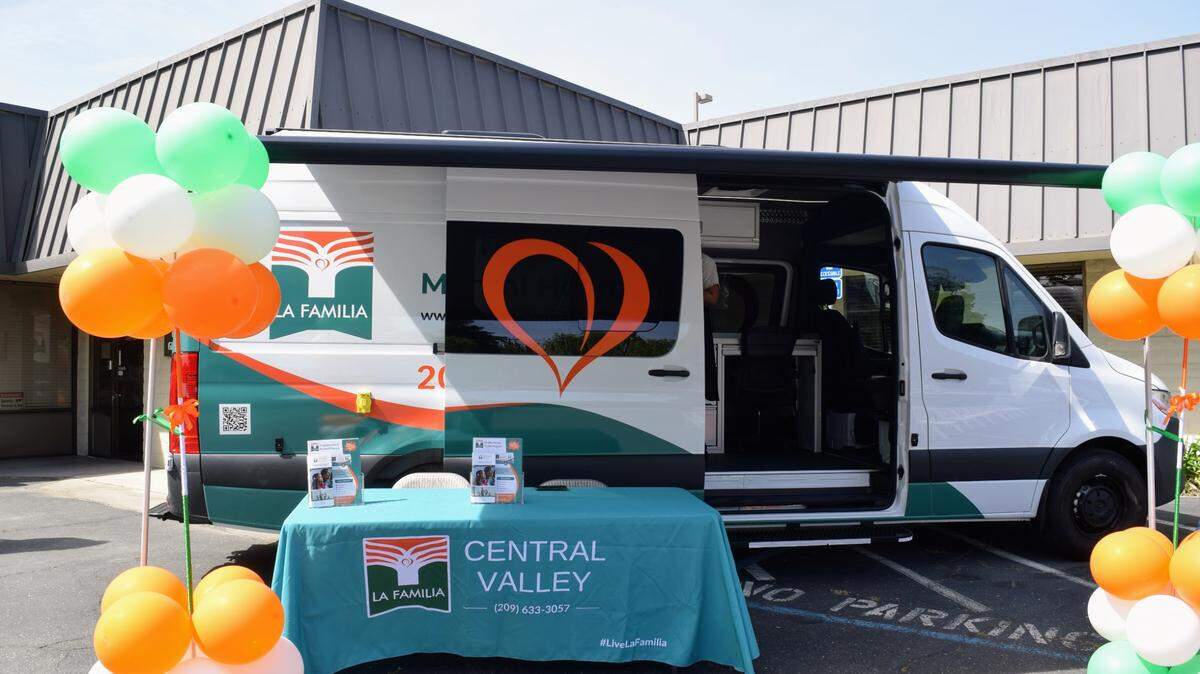
From veterans’ halls to migrant camps, a new effort to expand mental health services to rural parts of Stanislaus and Merced counties will hit the road next month.
La Familia Central Valley has received more than $714,000 in combined federal and state funding to launch its Mobile Mental Health Access Point, a program designed to reduce transportation barriers and bring care directly to underserved communities.
The initiative will deploy two fully equipped health vans, staffed by Spanish-speaking therapists and case managers, with a goal of serving at least 500 individuals across the two counties. The vans have been retrofitted to resemble a therapist’s office, complete with chairs, a desk, a refrigerator and ample outlets for charging devices.
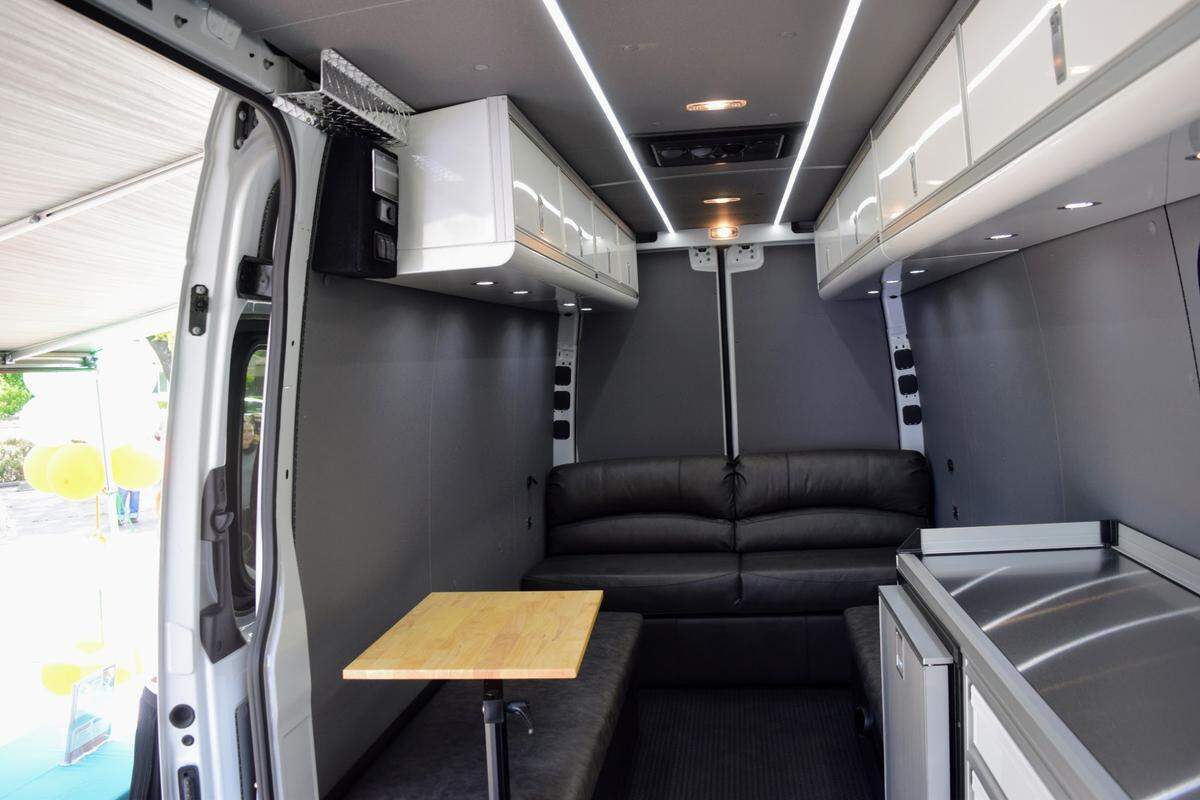
The program will reach communities in Patterson, Newman, Gustine, Santa Nella and Los Banos, with a focus on serving veterans, migrant farmworkers, Spanish-speaking families and children.
“These mobile units are more than just vehicles, they are promised to eliminate barriers, expand access and meet individuals and families where they are with compassion, dignity and care,” said Aaron Ortiz, CEO of La Familia.
The funding includes $357,000 in federal community project support from the Substance Abuse and Mental Health Services Administration, secured through a request by U.S. Senator Alex Padilla. An additional $357,023 in state funding was secured by Assemblymember Juan Alanis to further support the initiative.
The program will screen for anxiety, depression and substance use disorders and will operate in partnership with local organizations to offer referrals, telehealth and onsite services at schools, community centers and local events.
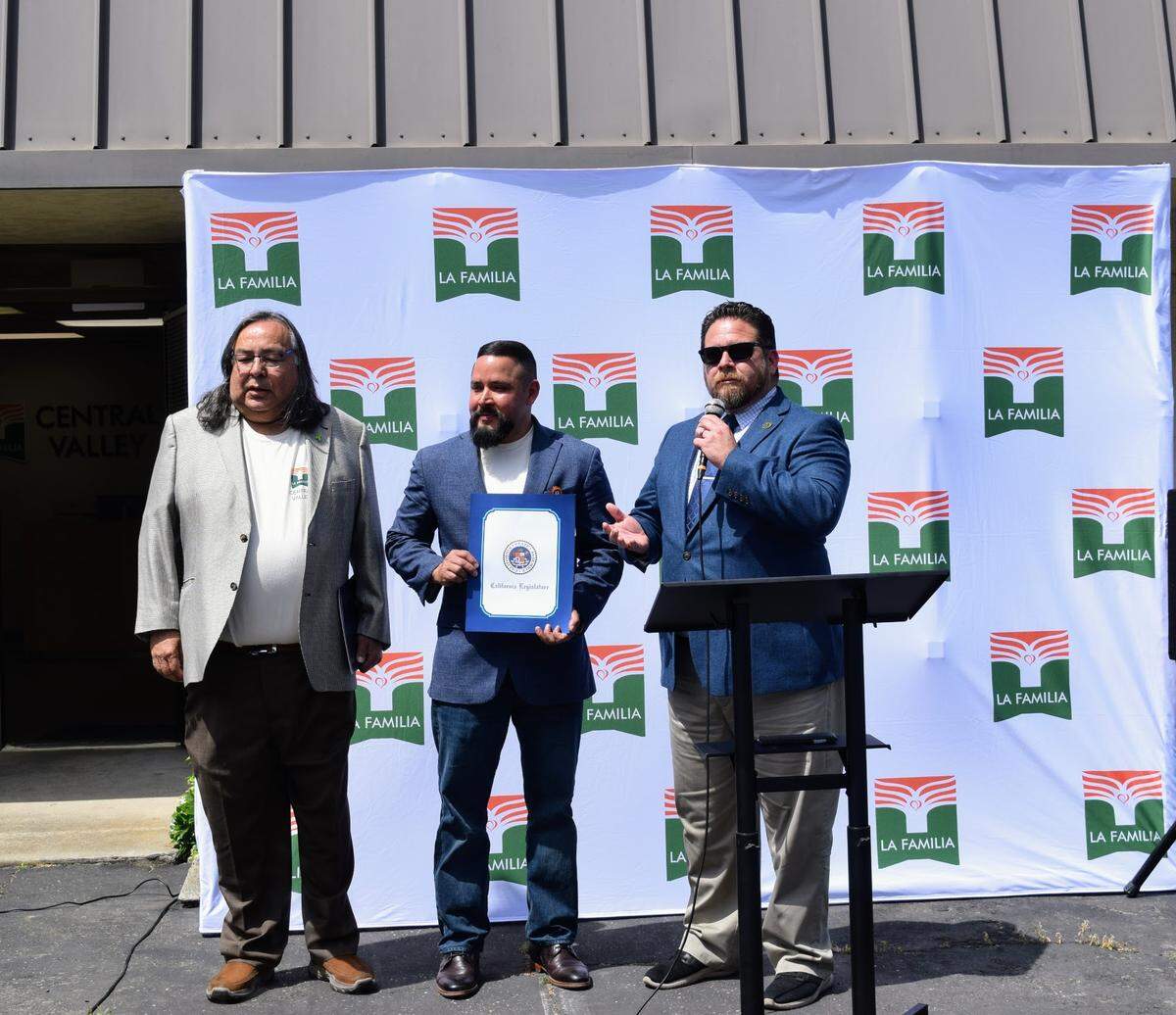
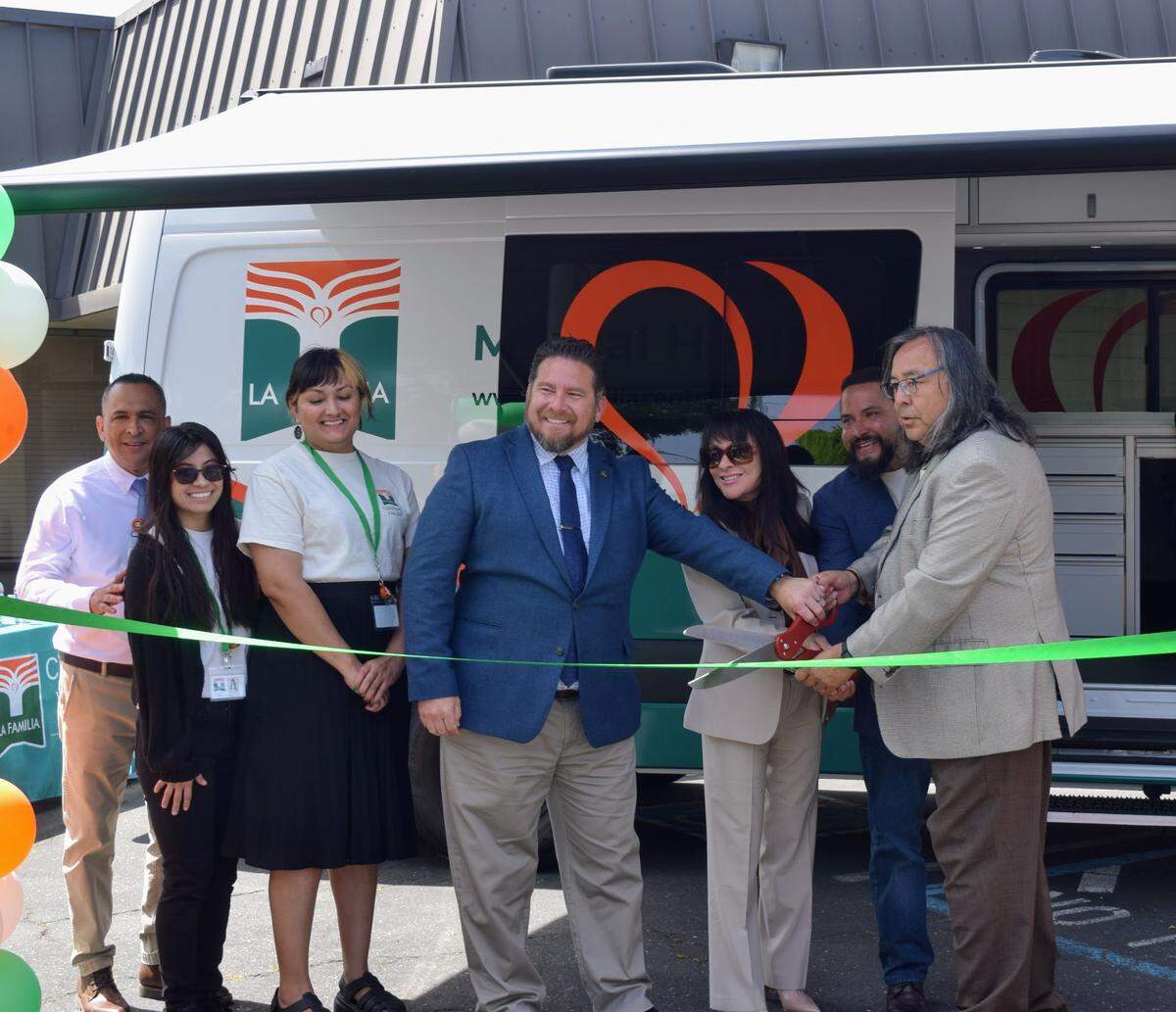
A ribbon-cutting ceremony was held Thursday to mark the official launch of the program. Margaret Arechiga, senior field representative for Senator Alex Padilla spoke at the event, commending La Familia Central Valley for its commitment to expanding mental health access in rural communities.
Arechiga, along with others, presented La Familia with a certificate of recognition, highlighting the organization’s efforts to close gaps in care that were made even more visible during the pandemic. She noted that COVID-19 exposed holes in the system — particularly in rural areas — and applauded the program for directly addressing those needs.
Alanis also spoke at the event, emphasizing the challenges of bringing essential resources to rural counties. “I’m a big believer in community policing. And by doing community policing, you go out to the communities, you don’t wait for them to come to you,” he said.
Alanis served as a Stanislaus County law enforcement officer, most recently as a sheriff’s sergeant, for almost three decades. He noted that mental health once was a taboo topic in public safety, but it’s now becoming something openly acknowledged and embraced within the field.
Manuel J. Jiménez Jr., regional director for La Familia’s Central Valley Region, emphasized that people living in rural areas often face isolation and limited access to public transportation. He said his late parents lived in a remote part of Texas — 20 miles from the nearest town.
“The need is great,” Jiménez said in an interview with The Bee. He added that younger kids especially need help because they’re still transitioning from the COVID-19 pandemic.
Both Stanislaus and Merced counties are federally designated Health Professional Shortage Areas, with mental health provider rates 50% to 80% below the state average. These shortages disproportionately affect low-income and migrant farmworker communities.
La Familia Central Valley launched in June 2020, though it has undergone a few name changes over the past five years. The organization began with the goal of creating an urgent access center where individuals could receive mental health services — such as therapy or psychiatric care — without an appointment.
Initially, La Familia partnered with the Patterson and Denair unified school districts and Atwater Valley Community School.
After securing a 2021 grant from the Substance Abuse and Mental Health Services Administration, the organization expanded its reach into more rural communities.
Jiménez said the team has grown significantly — from just himself and two clinicians to a staff of 35 based in Turlock today.
“When COVID came out, I did not know that we were going to have such an influence in the community and grow our agency so large,” he said.
Many of La Familia’s services are free or offered at a low cost.
Those interested in having the Mobile Mental Health Van visit a community should email LFCVInfo@livelafamilia.org or call 209-633-3057.
This story was originally published April 25, 2025 at 6:00 AM.