Stanislaus County wrestles with a high cancer death rate. What can bring it down?
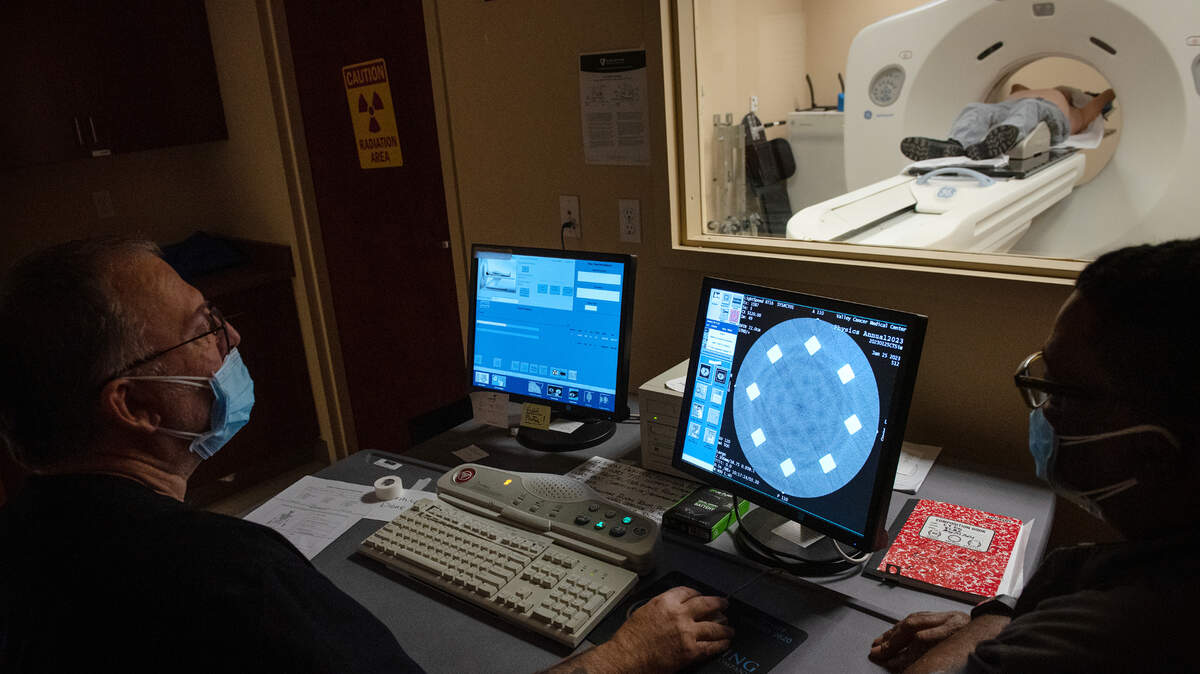
While California has made progress in the last seven years decreasing the cancer mortality rate statewide, Stanislaus County has seen its rate remain stubbornly high, far exceeding the state’s.
Medical experts say there are a host of possible culprits that contribute to the higher rate. They point to the higher-than-normal percentage of adults who use tobacco products, the San Joaquin Valley’s notorious air pollution and a decrease in early screenings due to fears as the COVID-19 pandemic raged.
And, while Stanislaus County does have medical facilities for treating cancer and support groups for cancer patients, some medical experts say access to health care is limited, especially for lower-income residents.
Dr. Thea Papasozomenos, the county’s public health officer, said the county’s overall cancer death rate is an improvement over the past, but it’s well above the state figure and deserves attention.
Stanislaus’ cancer mortality rate was 157.1 deaths per 100,000 residents, according to the county’s annual public health report released in December, well above the statewide rate of 131.4. The same report found that life expectancy in the county had dropped to 74 years in a state where average life expectancy has been 81 years.
According to the county public health division, lung cancer is the deadliest form of cancer locally. Other deadly forms include gastrointestinal, genital and endocrine cancer, leukemia and breast cancer, which is the second most common among women in the United States.
The updated health data in the county Public Health Annual Report for 2022 already has prodded action to promote screenings among lower-income residents to detect cancer early.
The county cancer mortality rate was 168.8 per 100,000 from 2015 to 2017, but it dropped to 153.7 per 100,000 in 2018-20 before rising again in the middle of the COVID-19 pandemic. Health officials believe that fears around the virus led to cases of advanced, untreatable cancer because people stopped getting early detection screenings.
What’s especially alarming are local breast cancer death rates in the six years from 2015 to 2020, with only one of those overlapping the pandemic. Papasozomenos said the county’s breast cancer mortality rate rose from 19 to 23.5 per 100,000 residents, while the rate statewide improved from 19 to 18.2.
Sonna Gilmour, a Modesto breast cancer survivor, said she was not aware of the higher cancer mortality rate in Stanislaus County. Gilmour said limited options for buying health insurance might keep people from getting early detection screenings from a health care provider. Plus, uninsured people can’t pay for treatment.
“I know a lot of people who don’t have insurance, even with Covered California,” Gilmour said. “It is beyond their incomes. I know people that could afford it but they don’t even look at Covered California.”
County health officials said they have noticed fewer women opting for early breast cancer screenings. In particular, there’s a decline in women getting screening mammography in the Medi-Cal program in Stanislaus County.
Representatives of Health Plan of San Joaquin, a Medi-Cal managed-care plan that serves more than 164,000 Medi-Cal recipients in the county, described their efforts to reverse a trend of women in their 40s and 50s not coming in for mammograms. The health plan is the “local initiative” managed-care plan for more than 400,000 Medi-Cal patients in Stanislaus and San Joaquin counties and can make a difference in improving outcomes.
The health plan said 61% of its Medi-Cal members in that age group were taking advantage of the early detection X-rays in 2019, but the percentage dropped to 57% in 2020 and 50% in 2021, as the COVID-19 pandemic raged. The final data for 2022, which is not available yet, should tell if the health plan’s efforts to encourage early detection screenings have been effective.
“We are definitely seeing a decreasing trend in breast cancer screenings,” said Dr. Priti Golechha, associate medical director for Health Plan of San Joaquin.
The health plan launched multiple initiatives in 2022 to encourage early detection screenings for its members.
Golechha said there are growing misconceptions that mammogram screenings and other cancer prevention are not essential medical care.
“There is a lot of hesitancy, because of what happened with COVID-19 in 2020 and 2021,” Golechha said. “People got used to not seeing their health care providers. And we need to change those habits.”
Health Plan of San Joaquin’s awareness efforts to educate women about the importance of mammograms have included emails, text messages and social media. The HMO has offered $25 gift cards to those getting mammograms and also has encouraged health providers in the network to refer their patients to imaging centers.
HPSJ has partnered with healthcare providers to mail mammogram information and orders directly to the members to eliminate the step of waiting for an order to get a mammogram.
Serious outreach needed
Nancy Burke, a professor teaching public health at UC Merced, expressed no surprise that preventative health care declined dramatically during the COVID-19 lockdowns, and said it will take quite a while to reverse the trend.
Burke has conducted research on mammogram screening among non-English speaking women in disadvantaged neighborhoods of the Bay Area. Burke said her research found that married women didn’t opt for screening mammograms because they put their family’s health above their own.
She said preventive health care was even less a priority for low-income families during the economic stresses of the pandemic, when parents were not working and their children were trying to learn at home.
“It will take some serious outreach for them to see mammograms as something important again,” Burke said.
She said an important piece for non-English speaking women, who consider a screening mammogram, is how they will receive the results. Doctors, patient navigators or community health workers were viewed as trusted people for communicating results.
Burke added that mobile mammography units are a good way to bring cancer screenings to hard-to-reach communities.
The Centers for Disease Control and Prevention advises that women age 50 to 74 should get a mammogram every two years, if they are at average risk for breast cancer. Women in their 40s should ask their doctors for advice on mammograms depending on their risk factors.
Health Plan of San Joaquin also is calling for cervical cancer prevention. The National Institutes of Health estimates that 14,100 women were diagnosed with cervical cancer in 2022, resulting in 4,280 deaths nationwide.
Medi-Cal recipients signed up with HPSJ are offered incentives for getting the pap smear test that screens for cervical cancer. Hispanic women have the highest rates of cervical cancer; the highest mortality is among Black women.
The HPV vaccine, given between the ages of 12 to 26, protects against the virus that causes almost all cases of cervical cancer.
Another campaign is trying to raise awareness about thyroid cancer, which causes about 45,000 new cases annually in the United States.
Access to treatment
Dr. Amarjit Dhaliwal, a Modesto oncologist who splits his time between Stanislaus and San Joaquin counties, said the health care infrastructure for treating different types of cancer needs to expand in Stanislaus County.
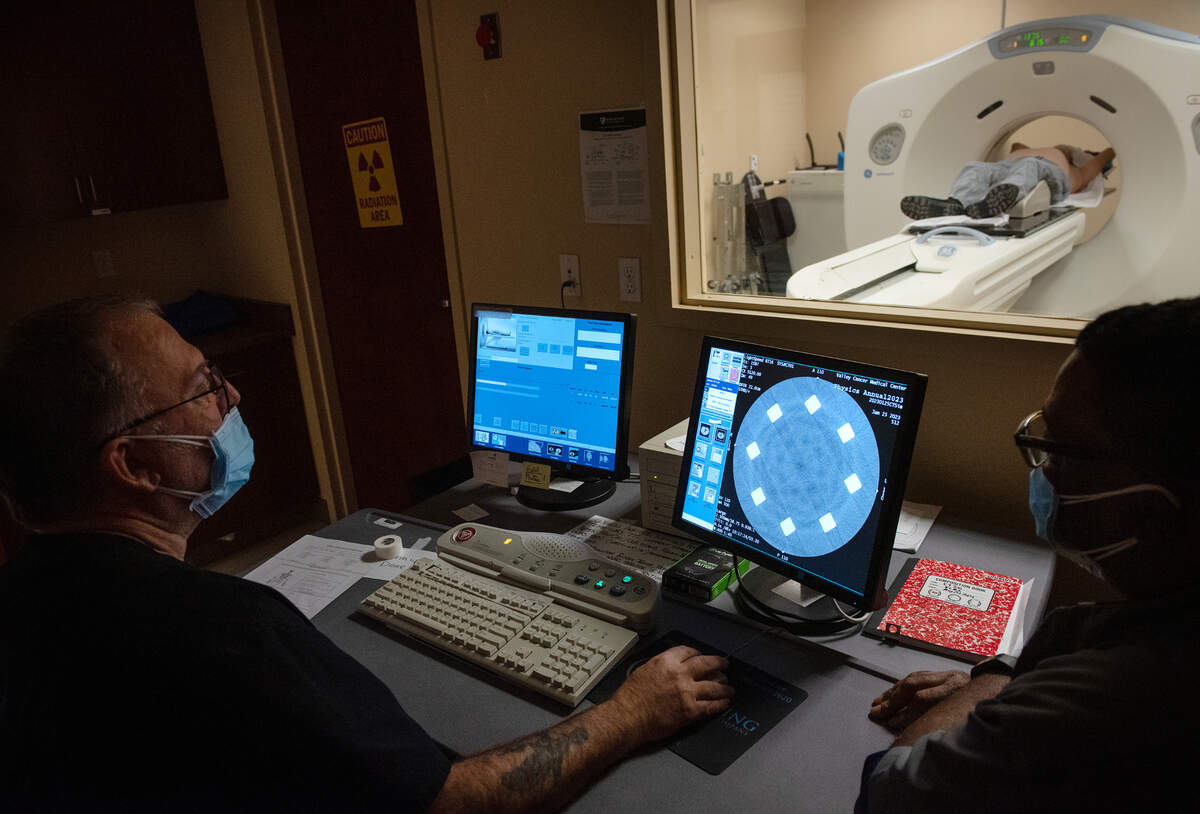
Dhaliwal and fellow cancer specialists treat many patients from Stanislaus County at Valley Cancer Medical Center in Manteca. The oncologist said he’s negotiating a lease to locate a facility for chemotherapy and targeted radiation treatment in Modesto.
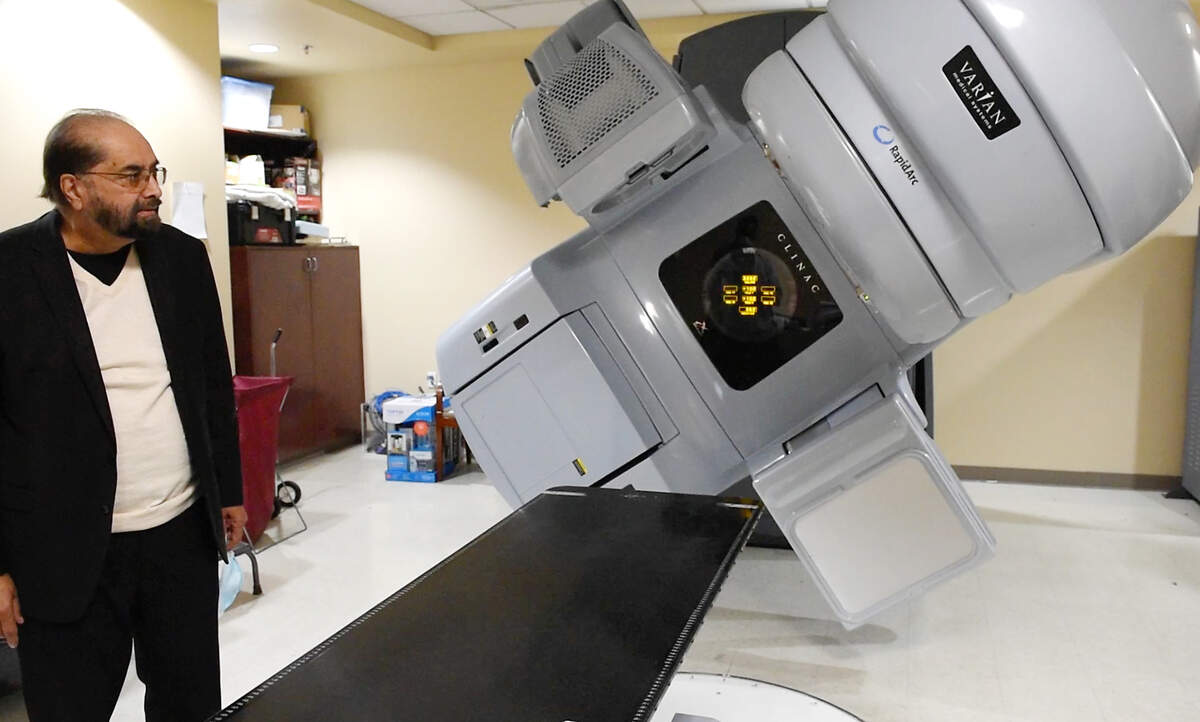
Other centers for cancer treatment services include Memorial Medical Center in Modesto and the Stanford Emanuel Radiation Oncology Center in Turlock.
Burke, at UC Merced, raised another question about whether low-income patients diagnosed with cancer have primary care doctors who can link them with a care team, including an oncologist, surgeon and plastic surgeon.
“As a region, we need to make sure we have these resources so people are not having to travel for hours on public transportation, a train or driving themselves when they are tired from being (dosed with) radiation,” Burke said.
Cancer patients in the Valley, from rich to poor, may travel long distances to Bay Area medical centers by choice or necessity for treatment of advanced stages of cancer.
The search tool for finding specialists in Health Plan of San Joaquin’s network displayed a total of six oncologists in Stanislaus County. The information showed two, in Turlock, were not accepting new patients. Another oncologist, Dhaliwal, said the Valley Cancer medical group includes five cancer specialists who treat many patients aligned with HPSJ.
Dr. Golechha said: “For any member with a diagnosis of cancer – including breast cancer – HPSJ will ensure we find an oncologist to care for them, no matter where they live.”
Setar Testo, health education manager for Health Plan of San Joaquin, said residents in more urbanized counties may have better access to imaging centers that detect cancer.
Stanislaus County, despite a population over 550,000, is largely rural, creating a need for transportation from outlying communities to Modesto. A person with limited resources in Patterson may need help traveling to an appointment in Modesto, which is why the health plan has transportation services for its Medi-Cal members.
“Things like that happen in the entire San Joaquin Valley and that is outside our ability to change,” Testo said. “We should keep in mind those barriers exist and find more resources.”
This story was originally published January 30, 2023 at 6:00 AM.