Central Valley has a doctor shortage. Kaiser to train ER physicians in Modesto
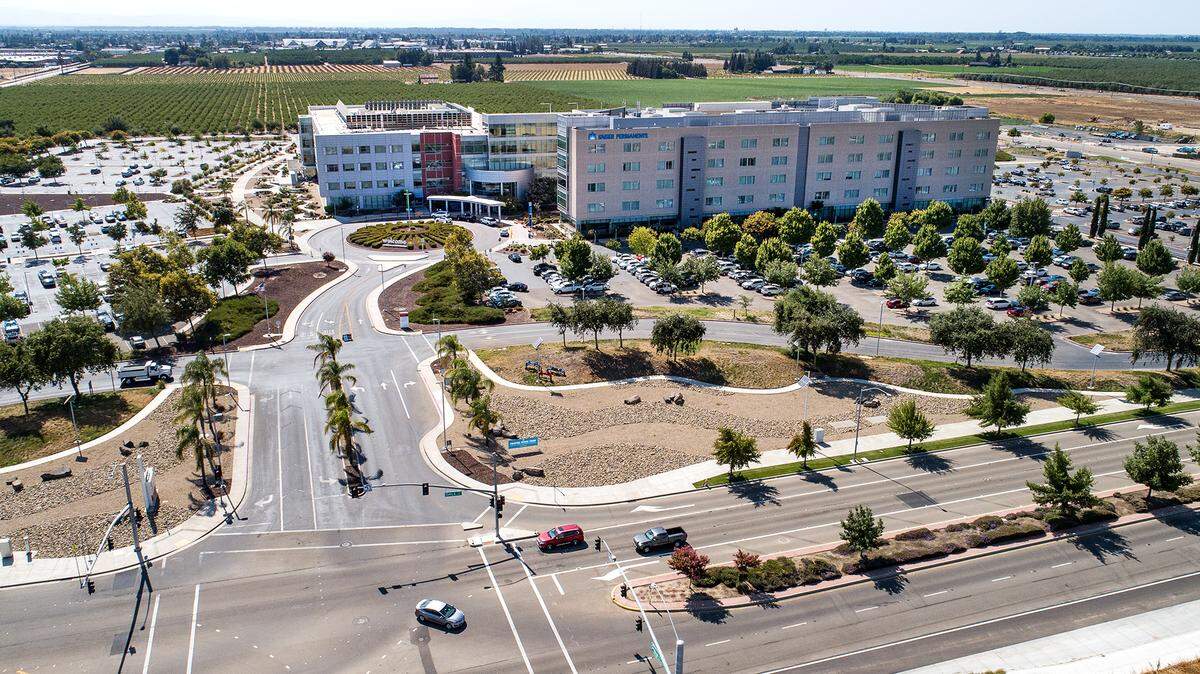
Kaiser Permanente Central Valley is starting a new residency program to train emergency medicine doctors based in Modesto. The health care giant considers the program a “win-win-win” for the hospital, the trainees and the community.
The hospital benefits by having more doctors and expanding its educational environment. The resident doctors get to train in a busy ER caring for people with a wide range of illnesses and injuries, and the community will gain more doctors as there’s an ongoing shortage of physicians in the San Joaquin Valley.
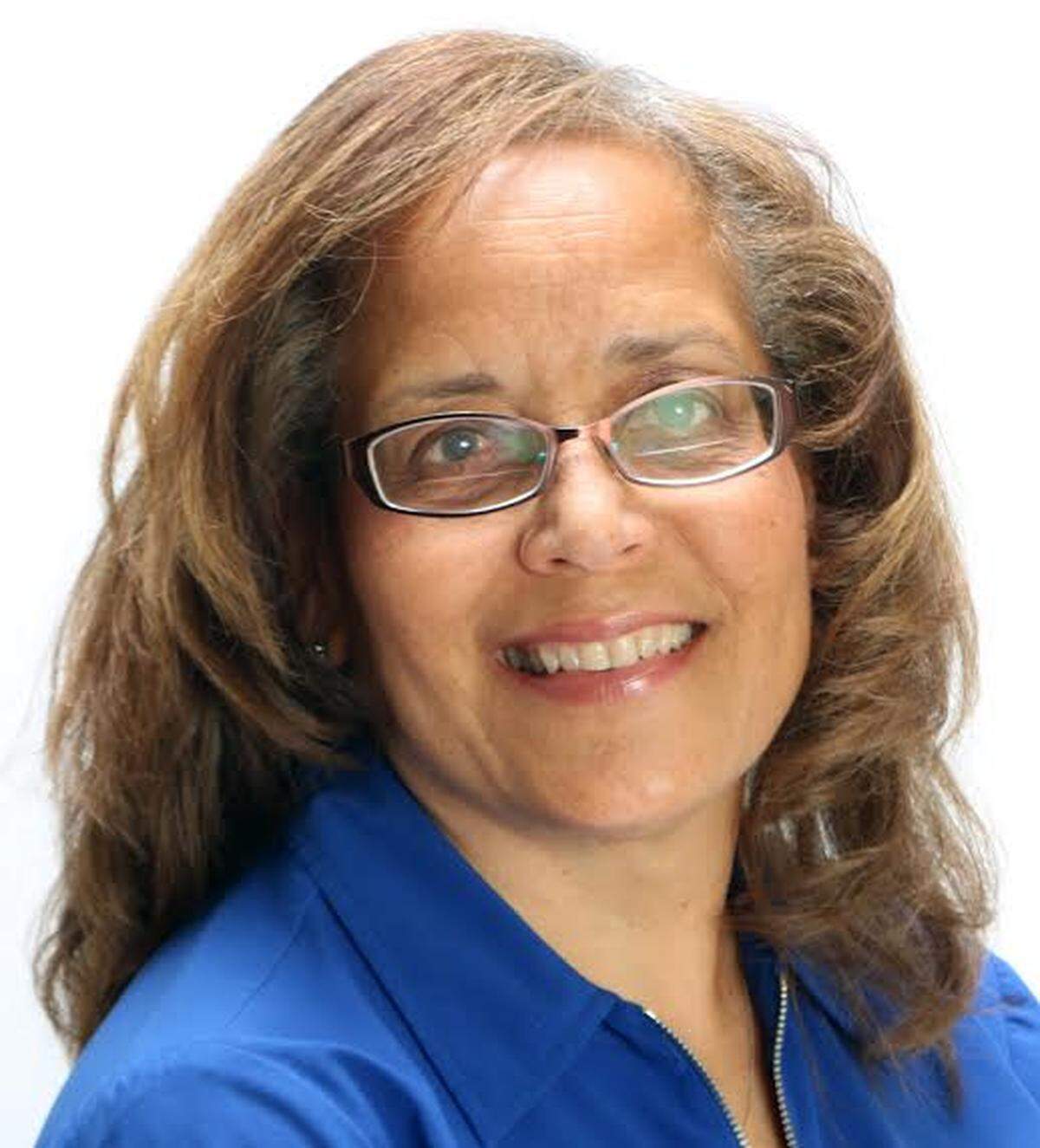
“We’re very excited to offer the first emergency medicine program (for the Kaiser system) in Northern California,” said Dr. Nur-Ain Nadir, program director for the emergency medicine residency and an ER doctor at the Modesto hospital.
Kaiser has 38 residency programs in California, including one other emergency medicine program in San Diego, as well as multiple specialties, including surgery, pediatrics and family medicine.
Currently, Modesto is home to two residency programs within the Valley Consortium for Medical Education, one each in family medicine and orthopedic surgery, which are operated with Doctors Medical Center, Memorial Medical Center and Stanislaus County Health Services Agency with an academic affiliation with UC Davis.
Details about the residency
The new emergency medicine program began recruiting applicants this month to start their training in July 2021. The inaugural class will have eight first-year residents, also called interns, and will build to have eight residents in each of the three years of the program, for a total of 24 trainees every year.
More than 30 full-time senior ER doctors are on staff at the Kaiser Modesto and Manteca hospitals, and they will have the primary responsibilities for teaching the residents.
The Kaiser Central Valley service area encompasses San Joaquin and Stanislaus counties and has more than 400,000 members. The Modesto and Manteca hospitals have nearly 100,000 ER visits for people with a wide variety of medical problems, which is ideal for training new doctors.
“I purposely chose the Central Valley to practice,” said Dr. Garrett Yee, one of the supervising ER physicians in the recruitment video for the program, “It’s a diverse area, ethnically and socioeconomically. We see a lot of different types of people...so we see a lot of different diseases.”
In addition to the Kaiser hospitals, the residents will have rotations at San Joaquin General Hospital, Oakland Children’s and Valley Children’s Hospitals.
Emergency medicine specialty
Emergency medicine has become one of the most popular specialties chosen by graduating medical students in the United States, according to the American Association of Medical Colleges.
In the 2020 National Medical Residency Match Program, the computer-based system that matches applicants with residency programs, 100% of the slots for emergency medicine were filled. Actually, the 3,640 applicants far outnumbered the 2,567 positions available. Thus, Kaiser anticipates the new program will attract highly competitive applicants.
Despite its growing popularity, a nationwide shortage of emergency medicine physicians, especially in rural areas, persists in part due to the growing demand for emergency care.
“In the last decade or so, the population has grown older and we’re seeing lots of critically ill people coming in with emergencies,“ said Nadir, “Also (we’re) seeing a migration from some of the coastal cities to the Central Valley, because of that our population is going up.”
Stanislaus County and neighboring counties in the San Joaquin Valley are struggling with a shortage of physicians, with fewer than 40 primary care doctors per 100,000 people, according to the California Health Care Foundation The federal government recommends at least 60 primary care physicians per 100,000 people. Similar calculations are not available for emergency medicine doctors.
The presence of sufficient numbers of primary care clinicians correlate with better health outcomes in an area, but recruiting and retaining doctors to the Central Valley has been a challenge.
Why have resident training programs?
California has the highest retention of trainees at nearly 78%, compared to the overall average of 54.2% for all states, in a survey of trainees from 2008 through 2017. However, rural areas of the state do not have the same success as metropolitan areas for a few reasons, including the paucity of training programs.
Multiple factors contribute to young doctors electing to stay where they trained, but having a personal connection to the area and finding the practice environment attractive may be more important than paying off student loan debt.
California State Assemblyman Adam Gray (D-Merced) has made increasing the valley’s health care workforce one of his priorities.
Gray said the ideal person to become a doctor to serve the Central Valley would be a local student, who attends a local university, who then goes to a local medical school, such as UCSF Fresno, and then stays for a local residency.
“To hear about the Kaiser program is music to my ears,” said Gray, “I’ve been working during my time in office to build the ecosystem here to train young people from the valley to stay here.”
Gray’s comments highlight one of the challenges for cultivating the workforce in Stanislaus County – the pipeline for future doctors is limited.
In Stanislaus County, almost 84% of students graduate from high school and about one in four graduate from college. Limited data are available about the number local students who attend graduate schools, including medical school, but only 5% of county citizens have a graduate degree, according to the U.S. Census. This is a common phenomenon in rural areas, low-income neighborhoods in metro areas and communities of color including Blacks, Latinx and indigenous people, according to the California Future Health Workforce Commission.
“We’re using pipelines that Kaiser Permanente has built over the years to really influence our students (and) for recruitment to offer opportunities for students from this area,” said Nadir.
She said that Kaiser has participated in pipeline programs for medical students, undergraduates from local colleges and summer programs for high school students, and some of those students want to come back for residency.
In addition, the emergency medicine program has an affiliation with the new Kaiser Permanente Bernard J Tyson School of Medicine in Pasadena, which welcomed its first class in July. Nadir and her colleagues have academic affiliations with the school, and the medical students will have the opportunity to do rotations in Modesto, another way to introduce the area to future doctors.
The emergency medicine residency program incorporated the needs of the community into their design and mission statement, which states, “..with the ultimate aim of creating and sustaining a well-trained, highly skilled workforce to deliver unrivaled care to the people of the Central Valley for generations to come.”
“Trying to retain some of the physician workforce here is one of our strategies,” said Nadir. “The needs of the community was a factor.”
This story was produced with financial support from The Stanislaus County Office of Education and the Stanislaus Community Foundation, along with the GroundTruth Project’s Report for America initiative. The Modesto Bee maintains full editorial control of this work.
To help fund The Bee’s children’s health and economic development reporters with Report for America, go to bitly.com/ModbeeRFA
This story was originally published October 27, 2020 at 4:00 AM.