‘A threat to our children.’ How racism can affect a child’s mental and physical health
The killing of George Floyd last month again brought racism into the national conversation and triggered worldwide protests.
However, racism doesn’t manifest only as egregious acts, but covers a wide spectrum, including subtle oppression from inequities in the systems of justice, education, employment and even health care.
And it hurts kids.
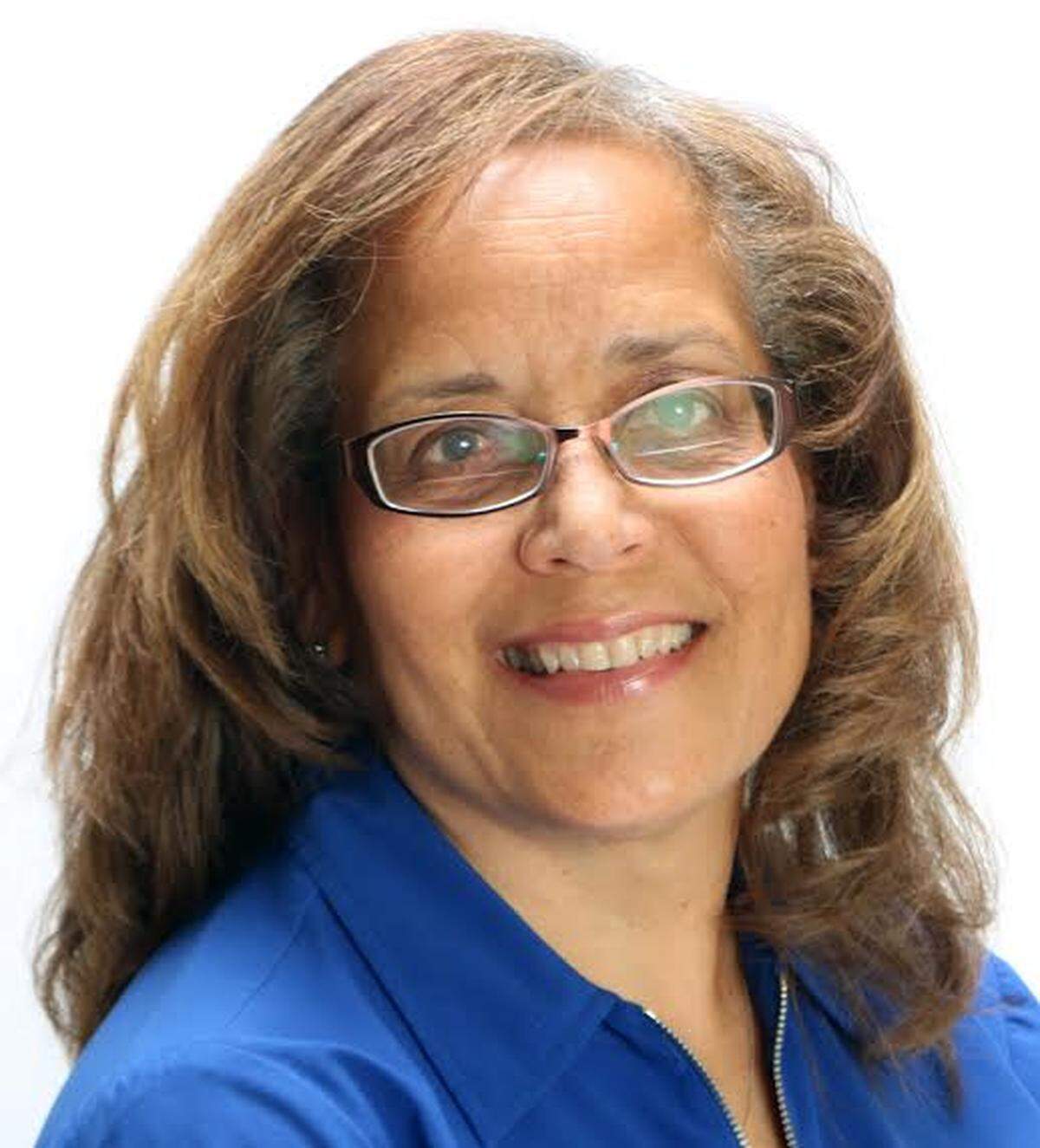
“Racism is a threat to our children,” said Dr. Nadine Burke Harris, the first Surgeon General of California.
She is a renowned expert in toxic stress and adverse childhood experiences (ACEs).
Racism – treating others negatively because of their skin color or physical appearance – causes psychological trauma and toxic stress. This chronic activation of stress hormones leads to inflammation in the body and predisposes individuals to physical and mental health problems.
“Racial violence is a trauma,” said Burke Harris. “...When we see the image of George Floyd and because of (the) history of violence, people of color experience higher doses of toxicity.”
For Black and brown children in the United States, racism begins before they are born, and impacts their physical, mental and educational health for their entire lives, according to the American Academy of Pediatrics.
Racism’s harm
Children who are exposed to demeaning experiences including in school, may internalize the negative images and start believing they are how others sees them – dumb or bad or “less than.”
Eleven-year-old Anna, who is a good student, encountered racism in her sixth-grade class at a Stanislaus County school.
“I was the only African American in the class and (the teacher) treated me like I was dumb,” said Anna, who asked that her full name not be used because she feared being teased. Her mother agreed.
Anna said she had trouble with one of the problems on the math placement test and in front of the class, the teacher told her if she couldn’t figure it out, she had to go back to fifth grade.
Anna has rich cocoa-colored skin, a glistening smile and verbal skills well above her age. She readily recounted her traumatic first day.
“The teacher asked how many of you are from a single-parent home,” said Anna, whose single mother is a health care professional.
“My friend said, ‘That’s not something to ask’,” and then the teacher picked on him, too,” said Anna. Her friend is a white boy. Neither Anna nor her friend are returning to the school next fall.
But race-based treatment begins long before school – it starts in the womb.
Maternal and newborn mortality for minorities
Twice as many Black babies die before reaching their first birthday compared to white infants, according to the Centers for Disease Control and Prevention.
Such a gaping divide means every year more than 589,000 Black mothers mourn the death of their babies.
Compared to white women, pregnant Black women suffer at least four times higher rates of pregnancy-related complications and death, which cuts through all socioeconomic levels, as demonstrated by the life-threatening pregnancy complications for African American superstars, Serena Williams and Beyoncé.
Researchers have attributed the disparities, in part, to Black women living with the toxic stress of racism and the implicit biases in the medical system, including doctors discounting symptoms reported by Black women, which Williams described in detail and paralleled the experience of Modesto resident Tiffany Early.
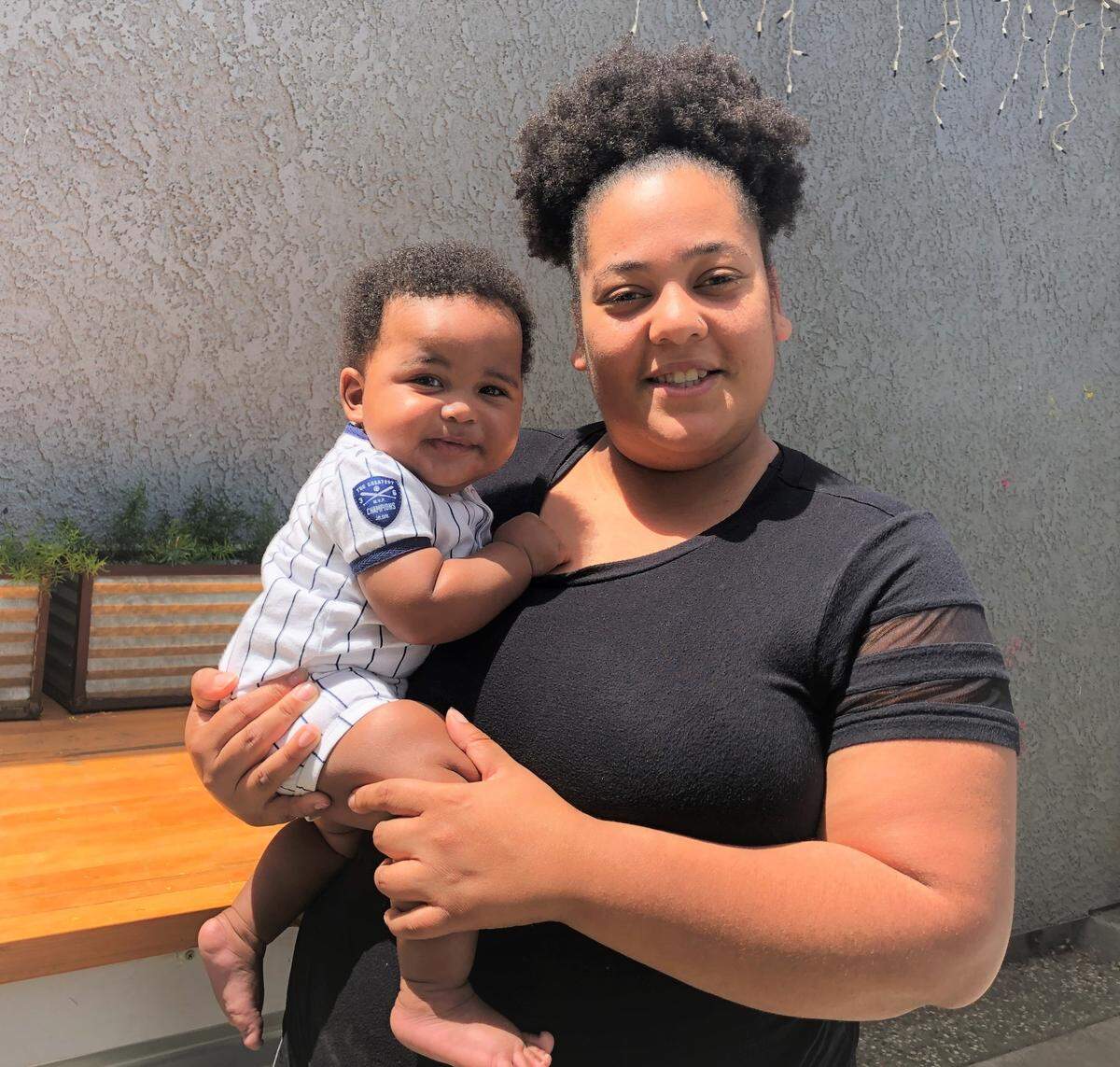
Early, a mixed ethnicity woman who identifies as Black, suffered with pregnancy-induced hypertension, so much so that in the last trimester she had to take daily medications.
In the 37th week of pregnancy, her blood pressure was uncontrollable, and the baby had to be delivered immediately for her and the baby’s health.
During labor at a local hospital, Early said she wasn’t treated with respect. The delivering doctor wasn’t her regular doctor and was abrupt and dismissive of her symptoms, and the nurses ignored her.
“When you’re in so much pain with labor, you don’t think about why people behave that way,” said Early. “But I know I’m never going back there,” when asked if she thought racism was a factor.
“When we look at infant and maternal death rate, toxic stress is a big contributor,” said Burke Harris.
Fortunately, Tiffany’s son, Titus, was born healthy. However, she continues to struggle with hypertension.
Racism and child health
The health disparities continue into childhood. One of the first problems is less access to care.
Minority children, compared to white children, have less health care access and insurance, though the Affordable Care Act narrowed the differences.
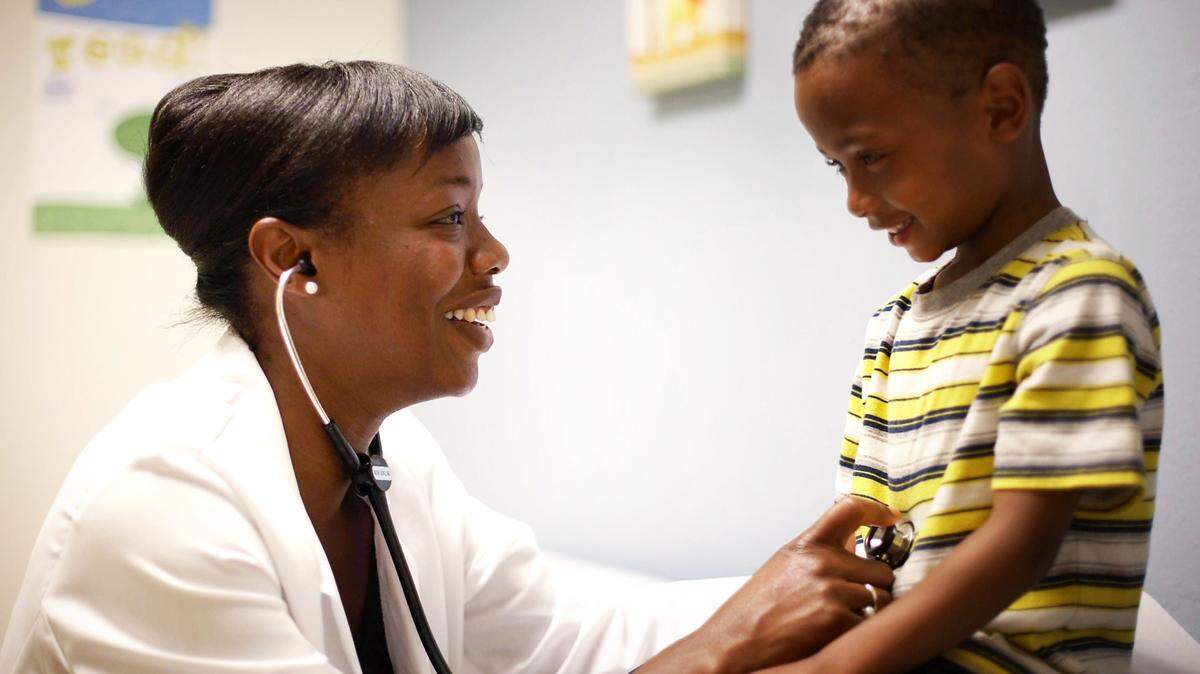
“Children need a medical home,” said Dr. Lynette Grandison, a Ceres pediatrician with Sutter Gould Medical Foundation. Her patients are primarily Hispanic/Latino and white, and many are working poor, reflecting the demographics of Ceres.
Children with a medical home have better health, including fewer physical and dental ailments. A medical home is having a regular source of health care, where they are familiar with the patient’s medical history. However, research has shown that fewer Hispanic and Black children have a regular doctor.
Grandison said sometimes the kids come to her with headaches and stomach aches, but they’re fine on the weekends. Eventually, it comes out that they have anxiety at school, some tied to racism.
“Young people tell me about racist teachers, here in Modesto schools,” said Grandison, “At one school, things seemed so bad that I went to the school to talk to the principal.”
“I see the effects of ACEs,” said Grandison. “The stressors are pervasive.”
The more ACEs experienced by a child before age 18, the higher the risk for health problems.
Although ACEs and social determinants of health, such as racism, poverty and inadequate housing, are significant contributors, the health disparities for minority children persists across all socioeconomic levels. Implicit (unconscious) and explicit racism, including in the health care system, is a major factor, according to a report from the American Academy of Pediatrics.
Minority children are twice as likely as white children to have a chronic disease. Common chronic diseases among U.S. youth include asthma, diabetes, obesity, dental disease, attention-deficit/hyperactivity disorder and other mental illnesses.
Asthma is most common among Puerto Rican children (13%) and Black children (9%). Compared to white children, Black children with asthma have more attacks needing emergency care, more hospitalizations and a seven times higher death rate. Less access and ability to navigate through the health care system contributes.
Mental disorders, including ADHD, anxiety, depression and suicide, are increasing among all youth. However, Black and Hispanic children are half as likely to have timely diagnoses and access to treatment than white youth.
The suicide rate for Black children ages 5 to 11 is 2.5 per million, which has doubled in the past two decades, surpassing the rate for their white peers for the first time. The researchers suggested that lack of access to culturally sensitive behavioral health care is a factor.
Steps to disrupt racism
“I’ve never had a family say, ’Hey, we’re experiencing racism’,” said Dr. Shontinese Huey, a clinical psychologist for children and adolescents in Modesto, “But .. .as we work through therapy, the discovery becomes apparent.”
She said schools are always a factor for the kids who come to therapy.
“There’s a lot of racism,” said Huey, “It’s the silent piece of what’s going on, and they (parents) don’t recognize what’s happening to them and their children.”
All three child health experts offered solutions.
Dr. Huey said she works to empower parents to be advocates for their children and reminds them that “You are the expert on your child.” She said she encourages parents to teach children about their ethnic heritage to help cultivate pride in their identity, which helps defend against racism.
Huey’s advice for youth experiencing adversity, including racism, she encourages them to talk to a parent or trusted adult for help. For schools, she encourages them to incorporate diversity into the curriculum, as well as training for teachers and staff.
Said Grandison, the Ceres pediatrician: “Don’t forget the power of an encouraging word.”
Added Burke Harris, the state’s first general surgeon: “We need to invest in systems that cultivate safe, stable, nurturing and equitable environments to have the opportunity to heal.”
But the most poignant insight came from 11-year-old Anna.
“It can be really hard as a kid of color because people treat you differently,” said Anna, “You should be treated like everyone else.”
This story was produced with financial support from The Stanislaus County Office of Education and the Stanislaus Community Foundation, along with the GroundTruth Project’s Report for America initiative. The Modesto Bee maintains full editorial control of this work.
To help fund The Bee’s children’s health and economic development reporters with Report for America, go to bitly.com/ModbeeRFA
This story was originally published June 16, 2020 at 9:08 AM.