Coronavirus separates moms from newborns in California hospitals: What you need to know
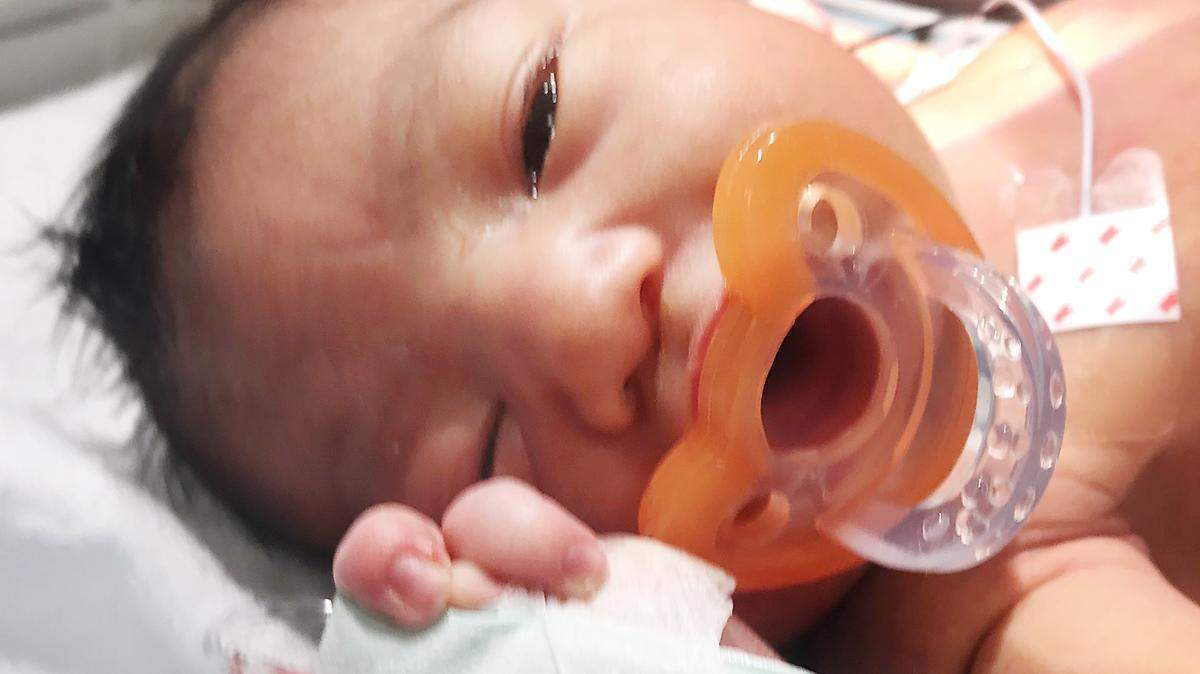
In mid-April, Sarita went to awaken her 4-day-old and the baby felt cold to her touch and wasn’t breathing.
The baby’s father called 911 and the dispatcher directed him to start CPR. The baby immediately started crying and was brought by ambulance to Harbor-UCLA Medical Center in south Los Angeles County.
The medical team was concerned that the novel coronavirus caused Sarita’s baby to stop breathing.
The baby had a known exposure — her mother had tested positive for COVID-19. Sarita had no symptoms, but her Los Angeles hospital tests all women admitted to the labor and delivery unit.
“I was scared for my baby,” said Sarita, who asked that her real name not be used for fear of being ostracized for having the coronavirus. “It was a difficult time.”
At 24 hours of life, the baby’s COVID-19 test was negative and they were discharged. Everyone was well until the baby’s near-death event.
When the baby was admitted to Harbor, she was considered a person under investigation (PUI) for COVID-19 and placed in isolation. Since Sarita had tested positive, neither she nor her husband was permitted on the pediatric unit. They were devastated to be separated from their newborn.
The decision to separate newborns from their primary caregivers, usually the mothers, can be psychologically traumatic for the infants and parents.
But it’s a decision being demanded by the coronavirus pandemic.
Local hospitals COVID testing birth mothers
In Stanislaus County, not every soon-to-be mother can be tested.
“We don’t have testing (kits) to test everyone but that’s the goal,” said Dr. Millard Johnson, the medical director and chairman of pediatrics at Doctors Medical Center. Johnson also works in the pediatric unit at Sutter Health Memorial Medical Center. “The decision for testing is done on a case-by-case basis, using a screening questionnaire at admission.”
Mothers in labor and their designated support persons are asked about fever, respiratory symptoms and any known exposures to the coronavirus.
Johnson said both hospitals are following the guidelines from the American Academy of Pediatrics (AAP) and the Centers for Disease Control and Prevention for caring for pregnant women and their newborns.
Kaiser Permanente Modesto Medical Center is following similar guidelines, screening everyone who enters their labor and delivery unit, according to an email from Lisa Cowan, director of regional clinical services for maternal child health.
All three hospitals place masks on everyone entering the labor and delivery unit, and they permit only one designated visitor, who must be free of respiratory symptoms.
Most hospitals are not permitting visitors, or limiting to one, to their general wards, depending on the concentration of COVID-19 cases in their communities.
AAP and CDC recommendations
Because pregnant women and newborns have compromised immune systems, they are generally at higher risk of complications and death from infectious diseases, including SARS and MERS caused by related coronaviruses. Early in the pandemic, the concern was the novel coronavirus, called SARS-CoV-2, would cause similar problems.
The AAP and CDC recommend for an infant born to a COVID-positive mother that temporary separation should be considered if it would decrease the risk of infection for the infant. But the risks and benefits of separation should be discussed with the mother, ideally prior to delivery.
Mothers with severe COVID symptoms likely need to be separated. For infected mothers with no symptoms or mild symptoms, the infants may be separated but they could also have the option to room with their mothers so long as social distancing is practiced by keeping 6 feet apart and using a physical barrier such as a closed isolette.
If the mother is breastfeeding, she should wear a mask and maintain hygiene practices.
Separation of mothers and newborns
But even when justified to protect the baby’s health, separation of mothers and newborns is not without consequences. For example, some infants lose interest in eating.
Holding back tears, Sarita said she was really anxious and fearful about being separated from her baby while she was in the hospital.
“I had some problems when she first came home,” Sarita said. “She didn’t want to latch (at the breast) and I was worried. Things weren’t the same.”
Her husband said he was particularly worried as Sarita “tends to keep emotions bottled up.”
“We were hit with a barrage of emotions — the unknowns about COVID, the chaos going on around us, (the baby’s) near-death experience and separation from the baby,” said the father. “It’s real psychological trauma, but we are growing stronger every day.”
Separation can impair attachment and bonding, and poor bonding can increase the child’s risk for abuse or neglect. Parental separation is an adverse childhood experience, which research has shown contributes to physical and mental health problems for the child in the short term, and well into adulthood.
Sarita’s husband said it was a huge comfort that the baby’s maternal aunt, with no known coronavirus exposures, could be with the “stand-in” parent during her hospitalization.
Giving birth during COVID-19 pandemic
With fear of being separated or acquiring coronavirus in the hospital, some birth mothers are electing home births.
The American College of Obstetrics and Gynecology reported that planned home births are associated with increased complications for the mother and at least a twofold increase in death immediately after birth and neurologic dysfunction for the infant, as compared to hospital deliveries.
“It makes me worry that people are scared to come to the hospital,” said Dr. Johnson of Doctors Medical Center. “It is extremely safe to have babies at the hospital.”
Nearly 800 infants have been born at Doctors since the beginning of the year, and so far, all the tests that have been performed have been negative.
Kaiser Permanente has about 300 births each month. COVID testing information was not provided.
The SARS-CoV-2 virus has been found in most body fluids, including respiratory droplets, blood, urine and stool, so it’s possible for the infant to become infected during the birth process or soon after. The virus has not been found in breast milk.
Because of the risk of transmission to the infant after going home, COVID-positive mothers are advised to continue to practice social distancing, which may also disrupt bonding and add to risks for postpartum depression.
Postparturm services at Modesto hospitals
The three Modesto-area hospitals are providing their customary postpartum support services, including routine checkups for the mothers and babies, lactation specialists and social services, though some visits are performed using telehealth.
With COVID in the house, new parents are in isolation without the usual support from family and friends to welcome a new baby.
“What was most disappointing, when we shared all that we had gone through with the near-death experience and (Sarita) testing positive, everyone only cared about COVID,” said the baby’s father.
The couple stopped telling people outside of the immediate family about their COVID testing.
The baby tested negative for COVID-19, though suspicion that coronavirus caused her life-threatening event persists. Fortunately, she recovered fully. Her mother never developed symptoms and her dad and 6-year-old sibling remained well, but the family is still coping with their psychological trauma.
The couple discussed their ordeal with their pediatrician, who referred them to counseling.
“It’s been 14 days, and I’m doing a little better now,” said Sarita, as she was snuggling with her newborn during the Zoom video interview with The Bee.
Bee reporter Dr. ChrisAnna Mink is a pediatric infectious disease specialist who has spent the last month at Harbor-UCLA Medical Center, where she is assisting staff during the coronavirus outbreak and anticipated surge.
This story was produced with financial support from The Stanislaus County Office of Education and the Stanislaus Community Foundation, along with the GroundTruth Project’s Report for America initiative. The Modesto Bee maintains full editorial control of this work.
This story was originally published May 1, 2020 at 10:22 AM.