Stanislaus County confirms first cases of coronavirus
Stanislaus County Public Health received confirmation that two adult male residents of the county have tested positive for the novel coronavirus by the California Department of Public Health.
These tests will be confirmed by the Centers for Disease Control and Prevention, the health department said in a news release issued Wednesday morning.
One person was a passenger on the Grand Princess cruise to Mexico and one has no history of travel to a country with known community transmission and no known contacts with a confirmed COVID-19 case.
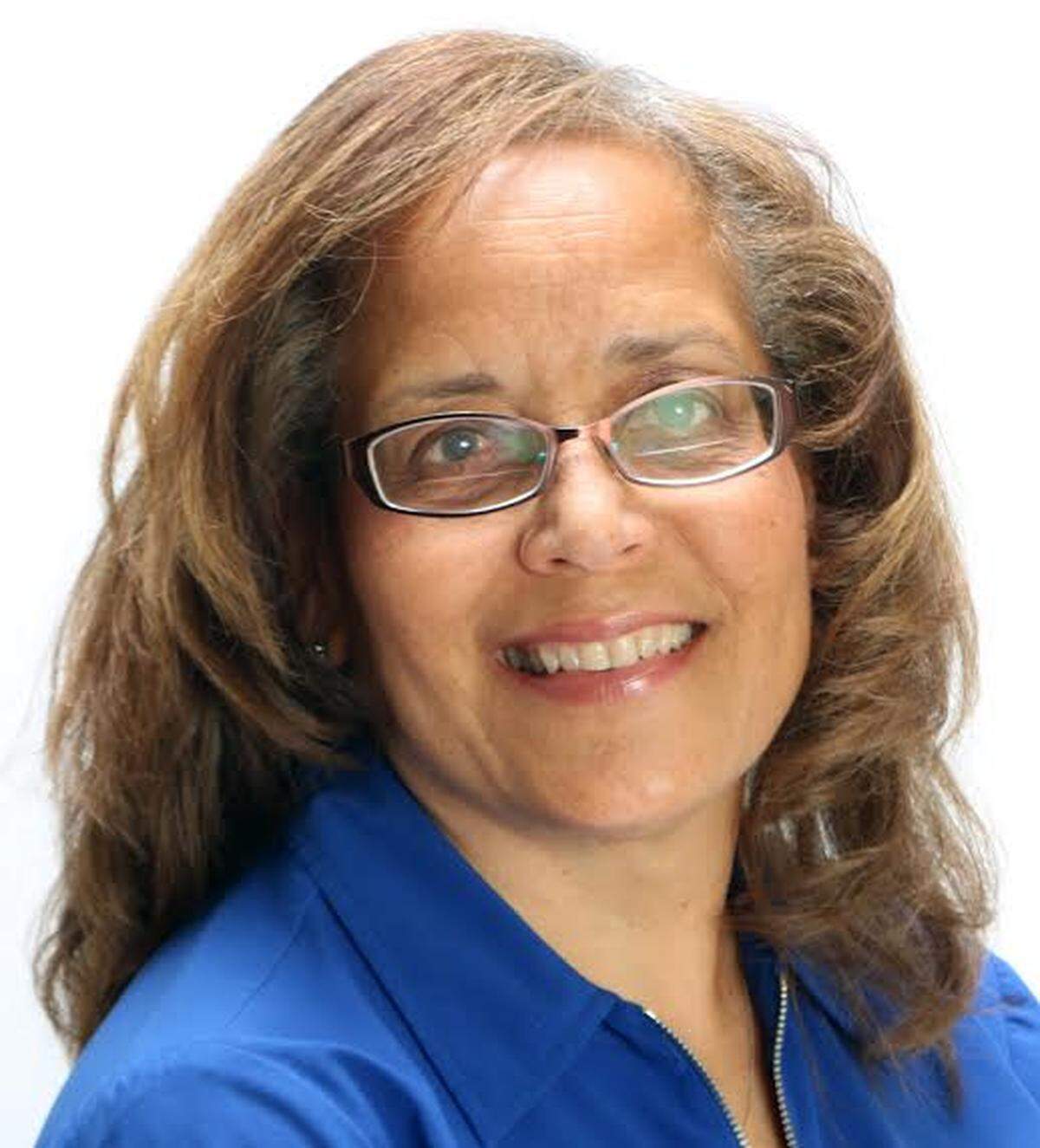
“We just received these results, so this investigation is under way,” said Dr. Julie Vaishampayan, public health officer of Stanislaus County.
Confirmation of a local case was not unexpected, as the number of COVID-19 cases has been increasing in California, throughout the United States and across the globe.
The February voyage of the Grand Princess is one of the largest potential exposures for area residents. The first death in California was an elderly man from Placer County who developed symptoms on Feb. 19, while onboard the cruise ship. A person from Santa Clara, also with exposure on the Grand Princess, died from COVID-19.
In Stanislaus County, 24 individuals have undergone testing, with 16 pending, according to the public health website. San Joaquin County has one confirmed case as of Tuesday, and Calaveras County officials reported Tuesday afternoon they have two confirmed cases. Officials in San Joaquin and Calaveras said their cases did not come from local exposures.
All viral testing in Stanislaus County is still performed through the public health lab, though private labs, including Quest, are starting to perform testing.
On March 4, Gov. Gavin Newsom proclaimed a state of emergency to help increase the availability of emergency supplies and personnel.
Symptoms of COVID-19
COVID-19 symptoms include fever, cough and shortness of breath, which are the same due to infections caused by other respiratory viruses, including influenza.
More than 80% of infected people have mild or no symptoms, but some progress to pneumonia, which can lead to death. The overall case fatality rate is estimated between 1% and 2%. However, the fatality rate approach 22% for individuals 80 and older.
Individuals older than 60 and those with underlying health problems, such as heart or lung disease, diabetes or weakened immune systems are at higher risk for severe disease and death due to the coronavirus. Generally, children seem to have milder disease.
CDC recommendations
The CDC has recommended that community mitigation efforts be implemented, with the priority of protecting individuals at higher risk for severe COVID-19.
For persons at higher risk, CDC recommendations include:
- Stocking up on essential supplies — for example, over-the-counter medications for fever control, tissues, and enough non-perishable food in the house
- Have a supply of prescription medications — consider contacting your provider or insurance company, including mail order options, to access medications
- Avoid contact with crowds
- Continue to use everyday practices, such as cough and hand hygiene and avoiding contact with sick people
- Stay home if there is a COVID-19 outbreak in your community
Tips to help protect yourself
The following daily measures should be followed to reduce the risk of getting sick:
- Wash hands with soap and water for at least 20 seconds, alcohol-based hand sanitizer may be used if hand washing isn’t available
- Maintain cough hygiene — cough into your bent elbow or cover with disposable tissue
- Stay home if you are sick — including don’t go to work or school
- Get your flu shot to protect against influenza, which may help decreases symptoms that look similar to those of COVID-19
- Consider alternatives to shaking hands, such as an elbow bump
- If you have recently returned from an area with ongoing COVID-19 infections, monitor your health and follow the instructions of public health officials
“Don’t panic, get informed from credible sources and get prepared,” Vaishampayan said.
This story was produced with financial support from The Stanislaus County Office of Education and the Stanislaus Community Foundation, along with the GroundTruth Project’s Report for America initiative. The Modesto Bee maintains full editorial control of this work.
This story was originally published March 11, 2020 at 10:44 AM.