Modesto home provides ‘family-style’ care for pregnant child refugees who flee to U.S.
On a tree-lined street in a quiet neighborhood in the middle of Modesto is a beautifully manicured, pale yellow house. It’s home to Bethany Christian Services, which provides a safe haven for pregnant and parenting teen refugees.
The house is warm and serene inside, with all the fixtures that a family needs, but with seven bedrooms specially designed for mothers and babies. The huge “family room” is filled with comfy recliners, infant bassinets and toddler toys.
Last June, Bethany opened its doors to unaccompanied migrant girls, 12 to 17, who are pregnant or parenting, under the Department of Health and Human Services Office of Refugee Resettlement.
The home is a heartening contrast to the disturbing images of children in cages or sleeping on cold floors in warehouse-sized detention facilities along the southern border.
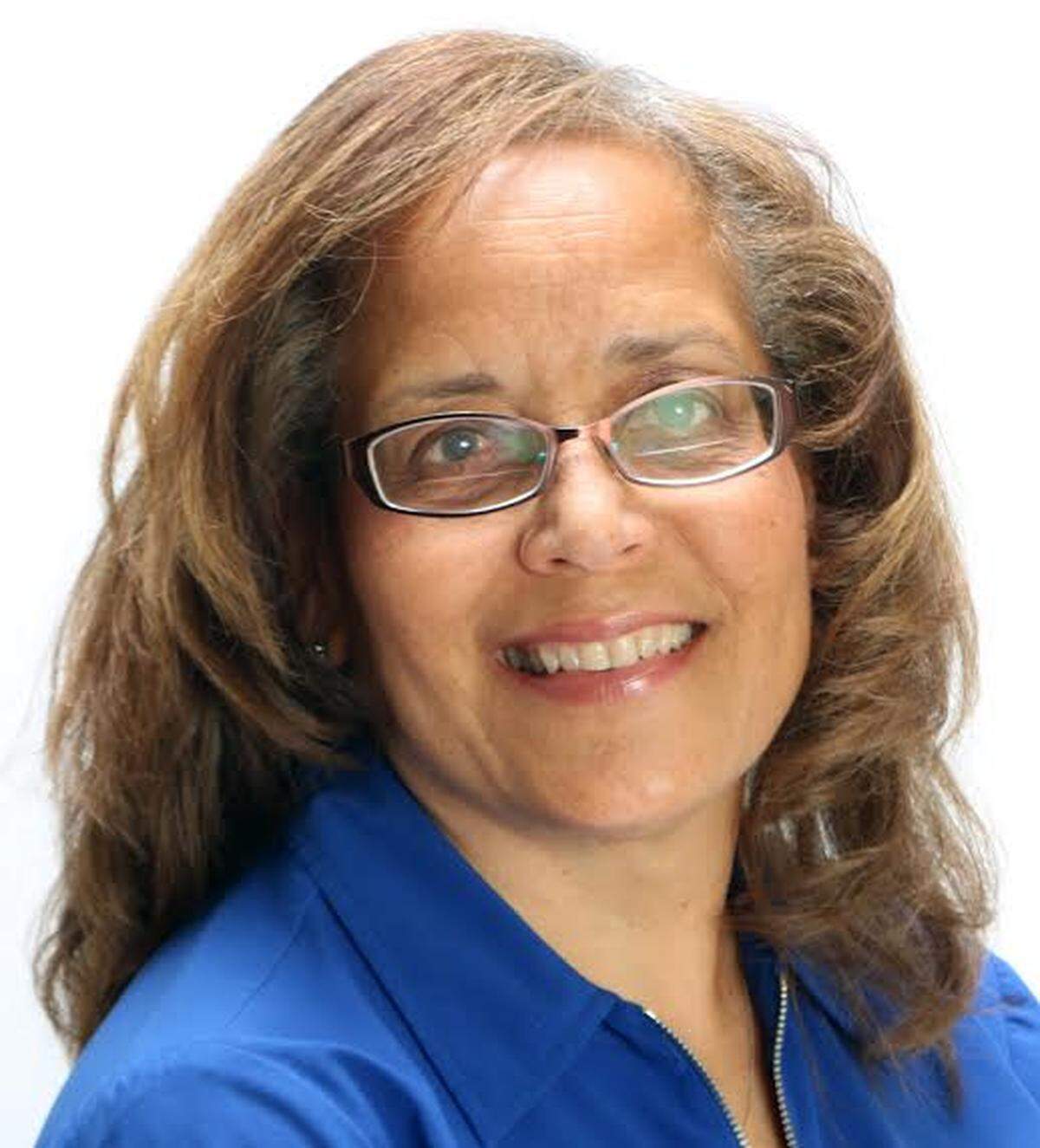
“These are children with children,” said Sandra Hiatt, the regional director for Bethany. “You can’t look in their eyes and not help but love them.”
Most of the girls have never had a childhood or been to school. Some are pregnant from rape. Others survived physical or sexual abuse. Some witnessed murder of loved ones by local gangs and have had their own lives threatened. So they fled.
“Nearly all of the girls that have come through our doors have experienced sexual abuse,” said Hiatt. “They have survived trauma that none of us could even imagine.”
Nathan Bult, vice president of government affairs at Bethany, said its driving principle is “Every child deserves a loving family.” Bethany operates from the view that country borders do not determine a child’s right to care, safety or a loving family.
“Here, we have some of the most vulnerable children in the world,” said Bult. “These are pregnant and parenting teens and their children — the most vulnerable of the vulnerable.”
He said Bethany works to keep them safe, provide for their unique needs and connect them with family members in the United States.
Bethany in Modesto is providing shelter for three mother-infant pairs. The youngest infant, a handsome, chubby baby with mocha skin and ebony eyes, was born on Christmas Day 2019.
To protect the children’s identity, The Bee was not permitted to speak with the current residents.
But, Bult shared one Central American girl’s story, which he said is representative of many of the girls’ journeys.
A 15-year-old girl who had a child with a gang member when she was 12 arrived at Bethany’s Michigan location a few years ago. She had escaped the clutches of the gang and was living with her brother, but the gang found her. She watched as they murdered her brother and took her child, and she was given an ultimatum to go back to them or be killed. She fled to the U.S.
Bult said he knew this girl’s story because she grew up, got her social work degree and became his colleague at Bethany.
Bethany’s history
Caring for refugees isn’t new for Bethany. Bult said it’s actually how the founders chose their name.
In the Bible, Bethany was a place of refuge for Jesus, and the founders wanted to provide a place of refuge for women and children in need.
The organization started in 1944 in Grand Rapids, Michigan, when two of the co-founders took in an unwanted infant. Bethany has more than 100 locations worldwide and continues to provide adoption and foster care services, among other family support programs.
Hiatt said the Modesto location was selected as a place for migrant pregnant and parenting teens because it has cared for pregnant women since 1986.
Bethany started caring for refugees in 1975 in response to a request from then President Gerald Ford. He was also from Grand Rapids, and reached out to his hometown organization for help with orphans from Vietnam and Cuba.
That program evolved into transitional foster care for refugee minors, which serves youth from around the globe.
Unaccompanied alien children
Unaccompanied alien children by federal law are defined as minors younger than 18 with no lawful immigration status, and no parent or legal guardian in the U.S. able to provide care and physical custody.
Refugees are people who are unable or unwilling to return to their home country because they fear persecution. Asylum is a form of protection for refugees already in the U.S. or requesting admission at a port of entry.
Not all unaccompanied minors are eligible to stay in the U.S., and some are deported to their home country.
At the Modesto site, most of the unaccompanied minors are from Central America, primarily Honduras, Guatemala and El Salvador, and are eligible for asylum or other special protection status for immigrant children.
“They’re fleeing violence, trafficking or crushing poverty,” said Bult. “Even the journey can be traumatic.”
The majority of the girls cross the U.S.-Mexico border without proper documentation and present to Customs and Border Patrol or Immigration and Custom Enforcement (ICE).
Once CBP or ICE determines the migrants are younger than 18 and not with a legal guardian, within 72 hours, they call ORR, which is responsible for placement of detained immigrant minors.
Generally, within 24 hours of receiving the referral from ORR, the children arrive at Bethany’s door.
The Modesto facility
Bult said the 12 Bethany refugee programs operate at or above the “gold standard” requirements of the 1987 Flores Settlement Agreement, which sets time limits and outlines conditions under which unaccompanied minors can be held in immigration detention.
The Trump administration has tried to end the protections afforded to the children. But a proposed new rule by the Department of Homeland Security that would eliminate the Flores decree was blocked by Judge Dolly Gee of the U.S. District Court of Central California.
In Modesto, the teens live in a family-style environment with 24/7 supervision by trained, bilingual youth counselors.
The refugees have a medical evaluation within 48 hours of arrival. They receive ongoing primary and specialty medical care, which is especially important for the pregnancy care. Bethany clients are seen by providers in the community.
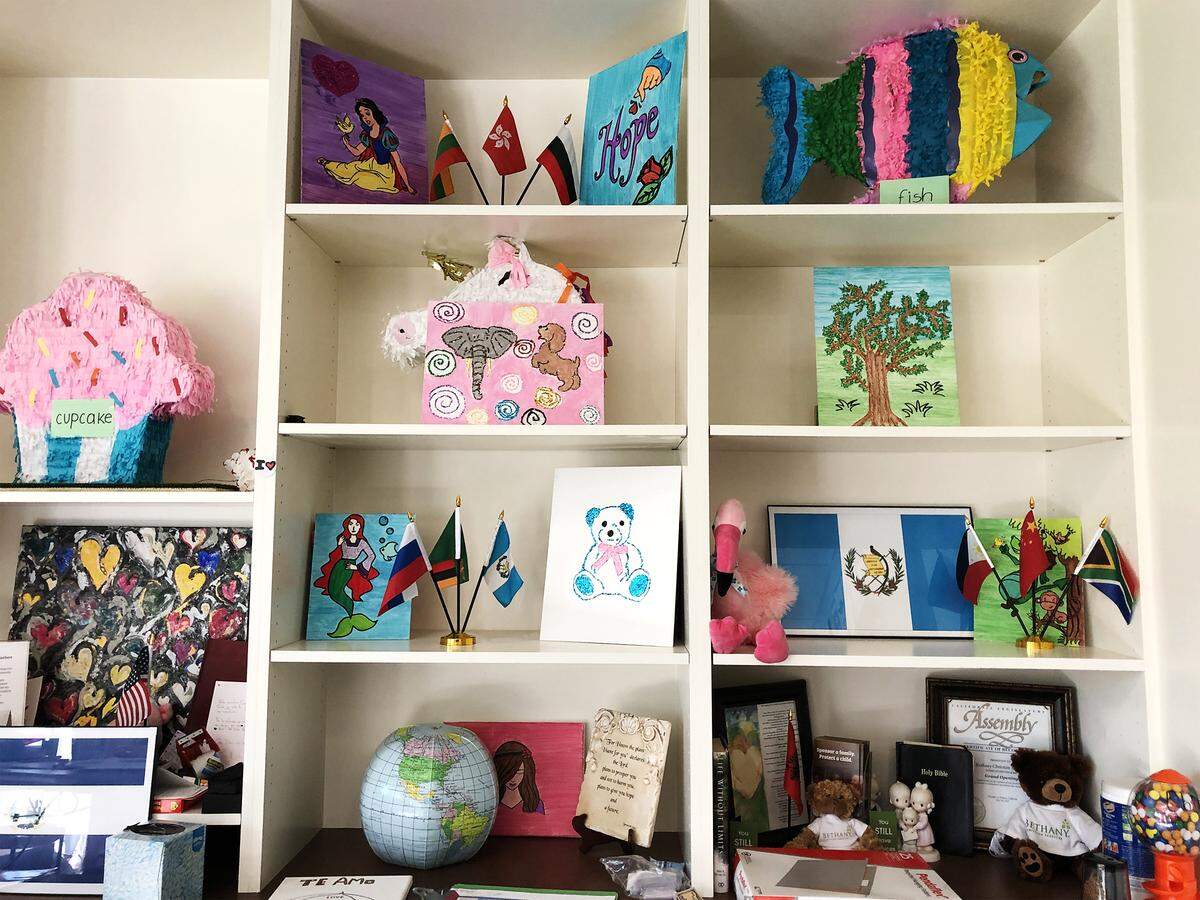
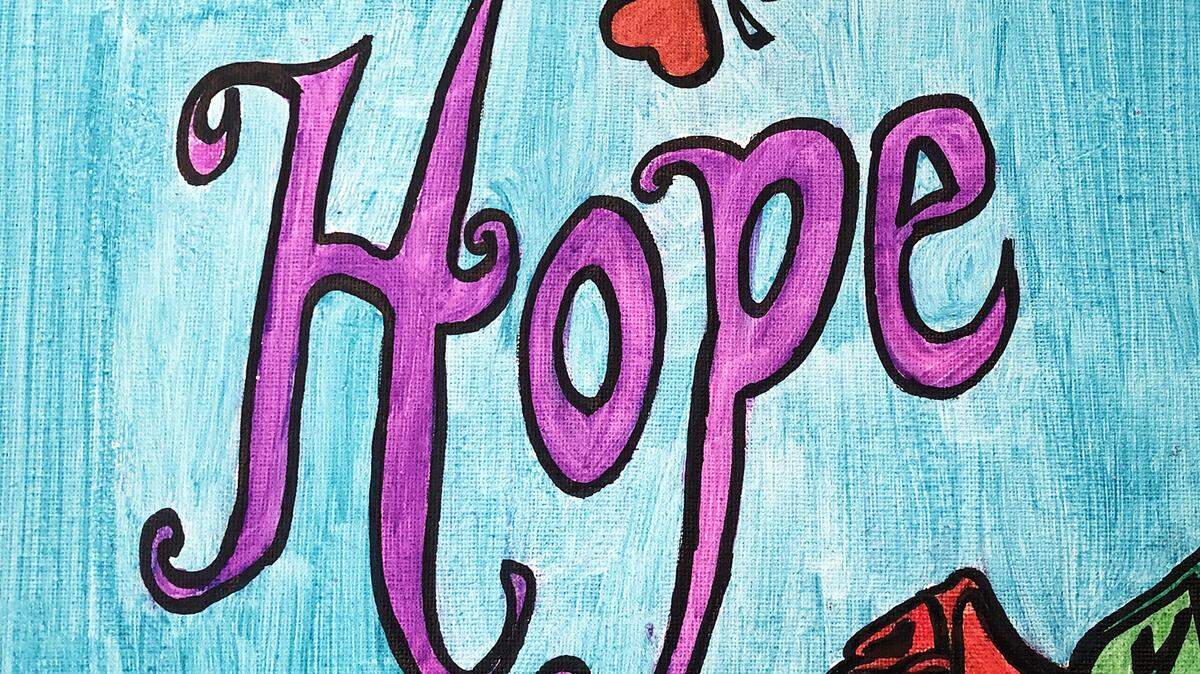
The girls also receive mental health care, including at least weekly individual and group therapy, as well as art therapy, to help address their extensive trauma.
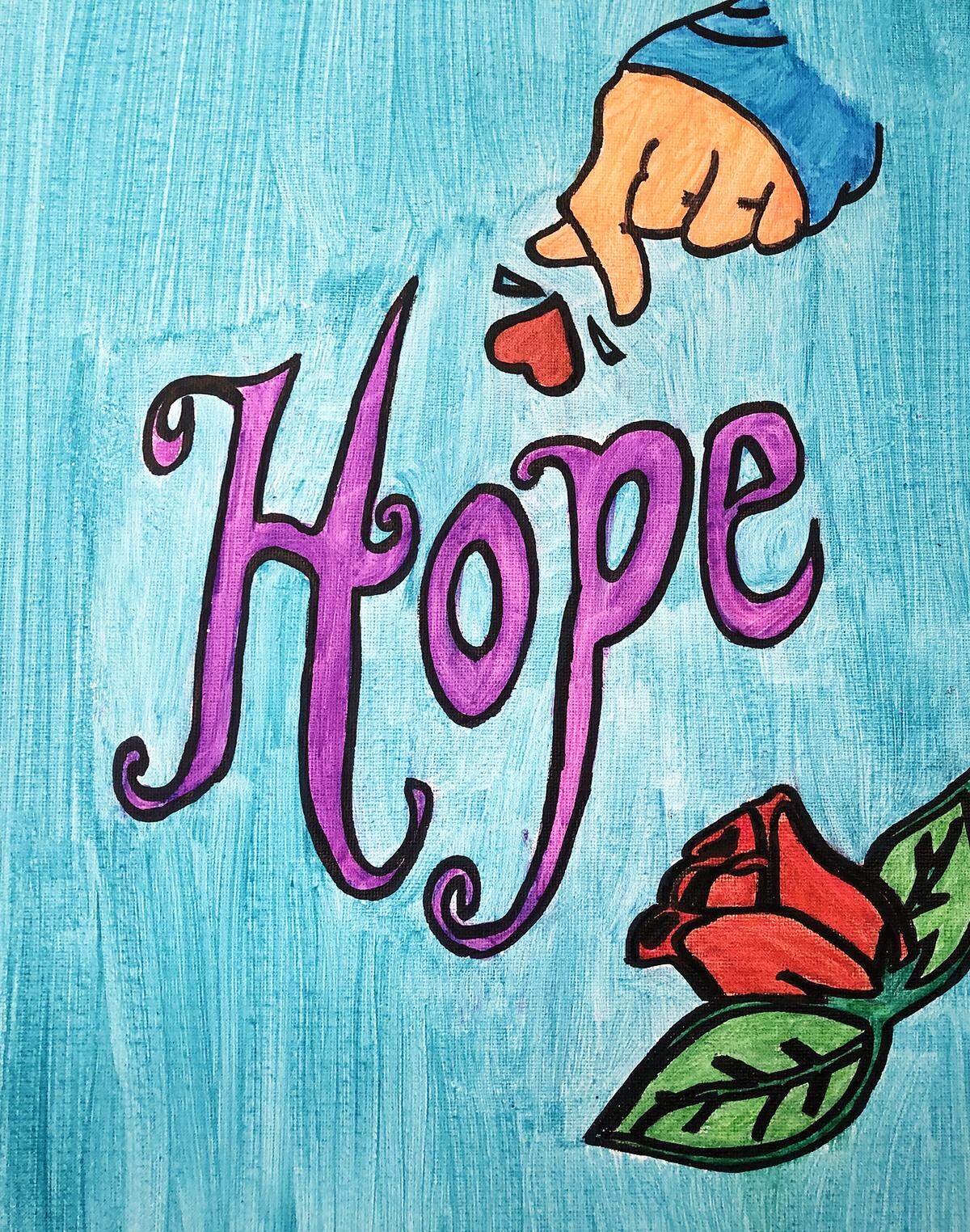
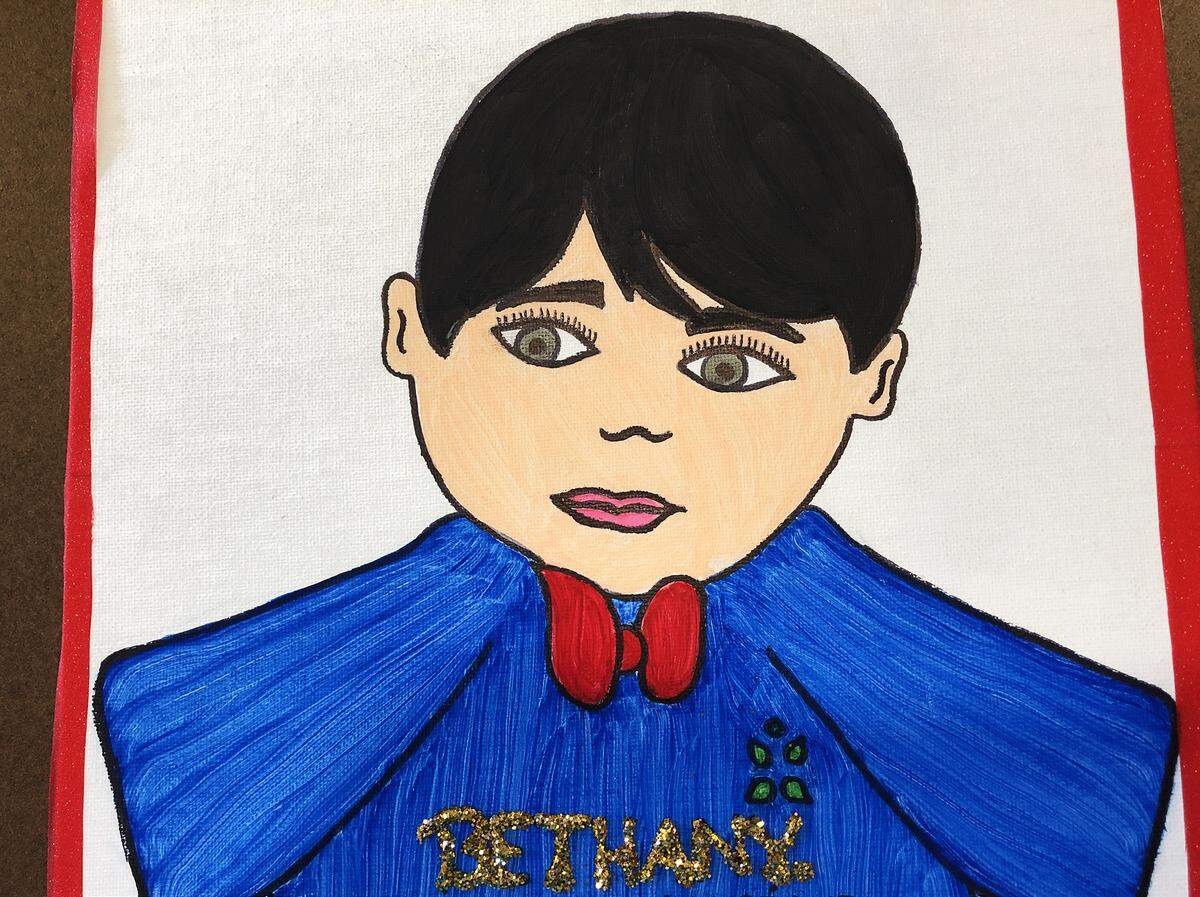
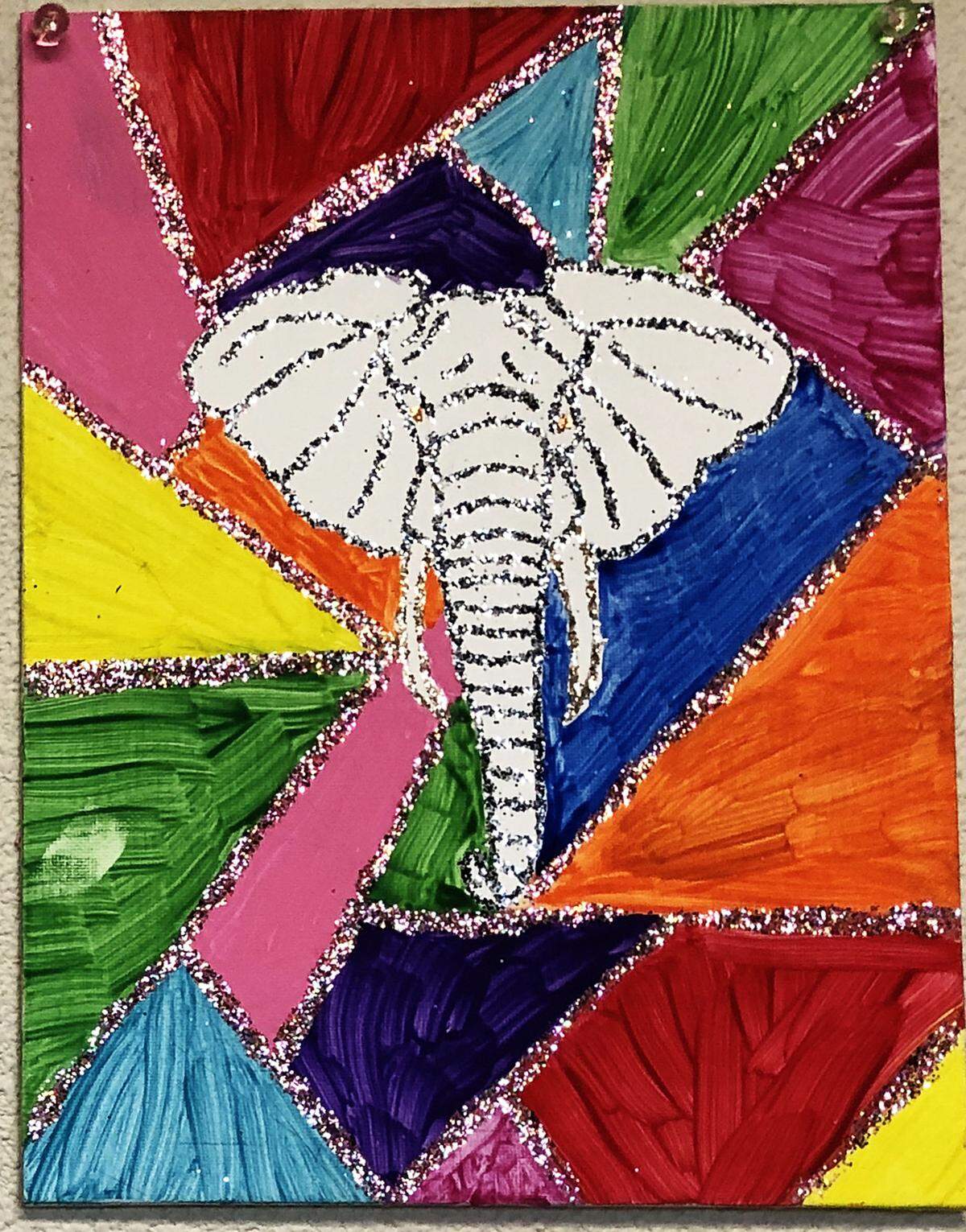
Their art is proudly displayed in the home.
They have classroom education on site, which for some is the first time that they have attended school. Their stay includes physical activity, parenting classes and community excursions to help them acclimate.
As soon as they arrive, Bethany begins the family unification process, and all 24 of the girls who have been at the shelter have been unified with family in the U.S.
The teens have legal services at least weekly. Last summer, Hiatt arranged for pro bono legal services while awaiting a signed contract with a legal organization.
The delay in a signed contract was reported to Rep. Josh Harder (D-Turlock), who visited the home last August. It had been resolved when he returned in October.
Harder and Rep. Brian Fitzpatrick (R-PA) visited CBP facilities along the southern border, including the large, infamous center in McAllen, Texas, in August 2019.
“People have been horrified by what they’ve seen happening to children and families at the border,” said Harder. At that time, he described the conditions as “inhumane” and “antithetical to our American values.”
“There are only a handful of facilities like the one in Modesto across the entire country,” said Harder. “We are housing some of the most vulnerable refugees. We need to make sure they are treated humanely, as we would treat any of our loved ones.”
Bult said nationwide, the number of unaccompanied minors in ORR’s supervision has decreased from the monthly peak of about 11,500 in May 2019 to 3,250 in December 2019.
“Every single one of those numbers has a name, and every single name has a story,” said Bult. “All of those stories should matter to us as humans.”
This story was produced with financial support from The Stanislaus County Office of Education and the Stanislaus Community Foundation, along with the GroundTruth Project’s Report for America initiative. The Modesto Bee maintains full editorial control of this work.