California joins lawsuit to block cuts to federal funds for food assistance program
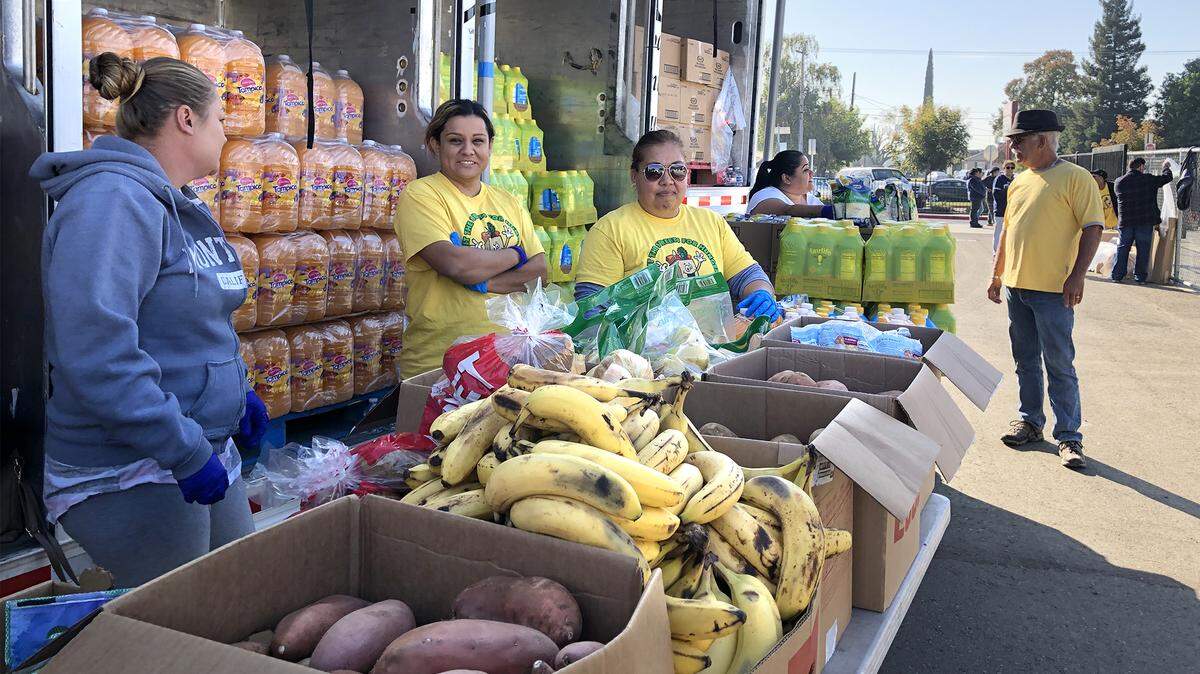
California Attorney General Xavier Becerra joined 13 other states, Washington D.C. and New York City to sue the federal government to block cuts to the Supplemental Nutrition Assistance Program, SNAP, called CalFresh in California.
For California, it’s the 65th lawsuit against actions of the current administration.
California would lose $100 million in SNAP funding. The cuts would severely limit benefits for Able-Bodied Adults Without Dependents (ABAWDs), starting in April, in part by curbing the states’ ability to make exceptions for ABAWDs who need ongoing assistance.
Under the current law, most unemployed adults without children, 18 to 50, may only receive SNAP for three months every three years, unless they are working at least 20 hours per week or are enrolled in vocational training.
Nationwide, that time limit has been waived for counties that have unemployment of about 6%, which reflects the difficulty in finding a job in that area.
Stanislaus County, as well as 51 other California counties currently have waivers.
“Stanislaus County will continue to have a waiver at least for another year,” said Dan Rosas, public information officer for Stanislaus County Community Service Agency, in an email. “This means that no one in Stanislaus County will lose CalFresh benefits due to the change in the regulations.”
However, 40 counties, including nearby Tuolumne, Amador and Calaveras, could lose their waivers, according to a CalMatters report.
The Trump administration estimates the cuts will save $5.5 billion over five years.
The planned budget cuts could take food off the table for nearly 400,000 of the 4 million Californians who depend on CalFresh to survive.
“Yet again, the Trump Administration has failed to offer any legitimate evidence to justify decisions that have real consequences for the health and well-being of our residents,” said Becerra in a press release.
Basis of the lawsuit
The lawsuit argues that the rule arbitrarily restricts the states’ abilities to administer food assistance programs for ABAWDs and will disproportionately harm women and people of color.
Since 1972, the average employment rate for whites is 6.1%, compared to 10.2 % for Latino/Hispanics and 13.9 percent for African Americans, according to Becerra’s office.
In 2019, the state unemployment rate for whites was 3.5%, compared to 4.3% for Hispanics and 5.7% for blacks, which are lower than pre-recession rates.
To qualify for CalFresh, the household income must be less than $50,200 for a family of four. The average SNAP benefit per person is about $1.40 per meal.
Nearly 38,000 households in Stanislaus County receive CalFresh.
The federal government provides the funding for SNAP benefits, and the administrative costs are shared with the states, which operate the program.
Nationwide, SNAP provides critical access to nutritious food for low-income individuals and families, and the majority of households have at least one adult working in a low-wage job.
The term “ABAWDs, able-bodied adults without dependents” is misleading. For example, some adults may be physically capable, but they live in rural or blighted areas without employment opportunities. Some are working in low-paying or seasonal jobs, such as agricultural workers, or have family responsibilities that preclude full employment.
The California Association of Food Banks is concerned that the loss of government assistance will make it harder for individuals who are hungry to look for work, and also lead to demands that local food pantries cannot meet.
“Taking away basic food assistance only makes people hungry, and does not help anyone find a job,” said Andrew Cheyne, government affairs director for the California Association of Food Banks, in a press release.
This story was produced with financial support from The Stanislaus County Office of Education and the Stanislaus Community Foundation, along with the GroundTruth Project’s Report for America initiative. The Modesto Bee maintains full editorial control of this work.
This story was originally published January 18, 2020 at 5:00 AM.