
Middle ground is needed on the age-old issues around forest management
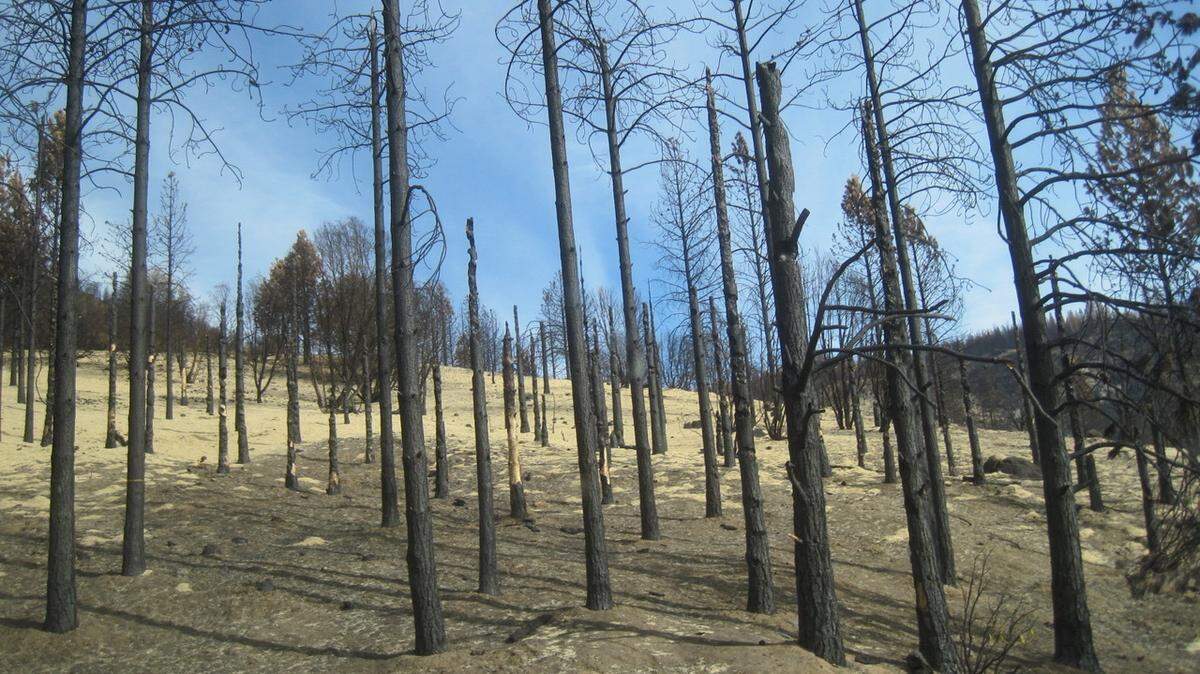
As rains dampen California’s drought-stressed forests and reduce the risk of high-severity wildfires, it’s critical for California residents to recognize some basic truths about forests, climate change, wildfires, smoke, and precious places on public forest lands.
For 13 years, I worked for the U.S. Forest Service, fighting wildfires from coast to coast. I left to help launch our non-profit Central Sierra Environmental Resource Center. Since then, I’ve worked for three decades to protect at-risk wildlife species, old growth groves, forest watersheds, and recreational and scenic values.
What I share with this guest opinion is that it’s time to move beyond polarization and battles over forest management. It is time to focus on the broad area of overlapping agreement – and to greatly ramp up the pace and scale of balanced, appropriate forest treatments.
In our Center’s early years, we appealed Forest Service logging projects that at that time were mostly clearcuts that targeted large, old growth trees and wasted millions of dollars of taxpayer money by punching new roads into remote, forested wild areas. That era is long past, and national forest management is now far different.
Today, as vice-chair of the Yosemite Stanislaus Solutions (YSS) forest stakeholder group, I partner with our YSS chairperson, who is a leader of the local timber industry. Our YSS group has successfully gained significant grants that increase the amount of commercial logging treatments on the public forest. Not just our environmental center, but also other local conservation groups fully applaud those logging and biomass projects.
Here is why:
In countless forest areas, due to decades of fire suppression, trees now grow so densely that forest wildfires spread rapidly from tree to tree. Current Forest Service thinning logging treatments spare all the large and old growth trees in fuel reduction projects.
Thinning only selectively removes many mid-sized and smaller trees that create high fire risk. Because ladder and surface fuels of brush and woody debris also choke forest stands, the overall amount of flammable fuel makes forests primed for explosive fire runs under extreme weather conditions. Carefully planned prescribed burn treatments are the most effective tool to reduce those fuels.
By the Forest Service applying science-based thinning logging, combined with carefully planned prescribed burns, wildfire threats are reduced in treated areas; and the removal of sawlog trees produces wood for America’s consumption and helps to pay for fuel reduction treatments.
There is no validity to exaggerated claims made by some anti-forest treatment critics who claim that thinning logging removes old growth trees and causes increased fire risk. Dedicated, esteemed forest research scientists with universities and federal agencies have repeatedly proven that doing forest treatments to open up over-grown forests can shift forests toward natural, historic conditions when lightning fires and Native California tribal ignitions kept forests in a mosaic condition with frequent low intensity burns that spared most large trees.
Caldor Fire an example that more work is needed
For years there have been intense debates over forest management. This year’s exceptional burn severity within portions of the Dixie Fire, Caldor Fire, Tamarack Fire and many other giant fires underscores the need to take significant, speedy action. Drought conditions and the trend of increased wind events and longer fire seasons due to climate change have combined with decades of fuel build-up and overly dense tree stocking to create tinderbox conditions.
Within our local region’s YSS forest stakeholder group, we have diverse political views and highly differing priorities for public forest lands. But all of us (from loggers to environmentalists to water districts to recreational interests) agree on the need to restore forest health – whether it’s because we want more wood production, healthier watersheds, protection for wildlife habitat, or simply to fish, hunt, camp, or hike in our public forests.
It’s time to act on the broad area of overlapping agreement – to increase biomass removal of excess woody material, to greatly scale up the amount of thinning logging treatments, and to significantly increase the amount of broadcast burning to treat surface and ladder fuels.
It’s time to stop polarized forest debates and to focus on the middle ground where most forest interests share strong agreement. Years of exceptional wildfires and unhealthy smoke levels in California should be unacceptable.
There is a middle ground path forward. Let’s take it.