
Del Puerto Canyon dam ruling was more than just a “minor setback,” advocate says
On Halloween, Stanislaus County Judge John Mayne gave nature lovers a small gift.
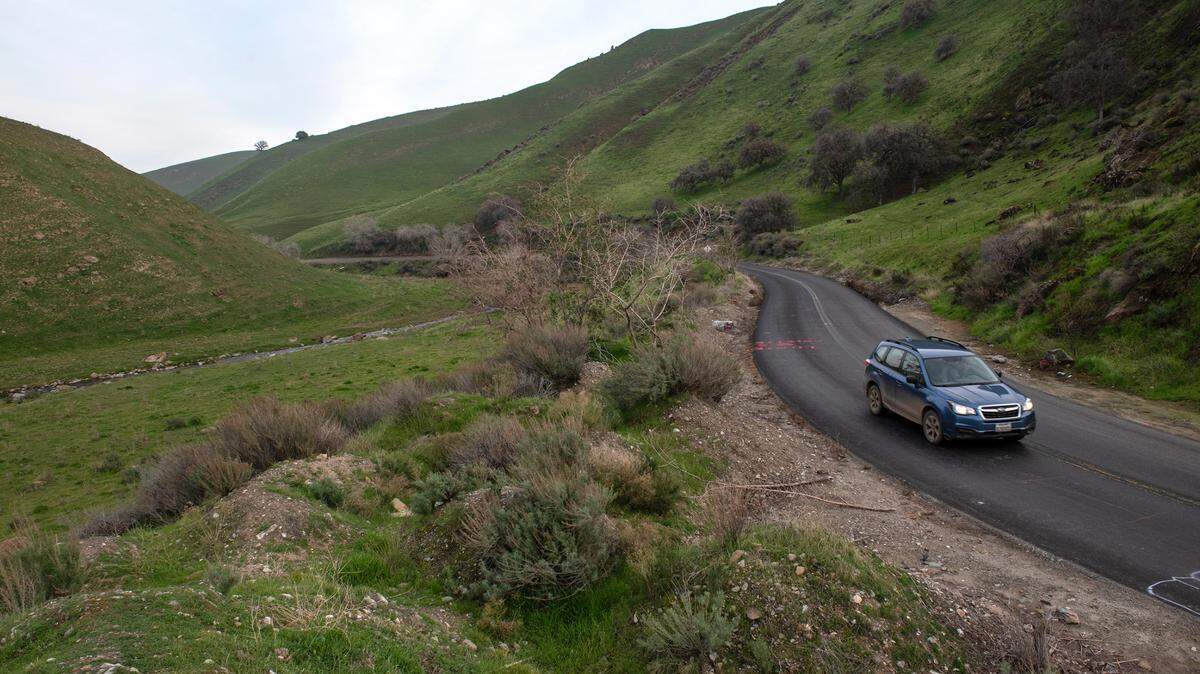
The judge sent the proposed Del Puerto Reservoir west of Patterson back to the drawing board by ruling that the proposed relocation of Del Puerto Canyon Road violates the California Environmental Quality Act because it did not provide a location, leaving it up to future planners to decide. This will require that the Del Puerto Water District prepare a supplement to its Environmental Impact Report.
Unfortunately, claims relating to the environment — including harm to the downstream riparian habitat, scenic and social impacts, water and air quality, pollution caused by construction, and potential damage to wildlife — were adequately addressed in the EIR, according to the court.
The environmental groups which successfully challenged the EIR view this as a victory.
“Considering how much this dam would damage local wildlife and an already strained ecosystem, the court made the right call in denying this project,” said Peter Broderick, an attorney at the Center for Biological Diversity.
“With this outcome, the imperiled species of Del Puerto Canyon will live to see another day,” said Isabella Langone, conservation program manager for the California Native Plant Society. “We hope this ruling sends a clear message that cutting corners on environmental review and the disclosure of a project’s impacts is not acceptable.”
Jann Dorman, executive director of Friends of the River, stated, “Del Puerto Canyon Reservoir will destroy a beautiful canyon and will only fuel increased demand among the agricultural interests in the San Joaquin Valley, worsening dependence on the already strained Delta. This project takes inexpensive taxpayer-subsidized federal water, puts it in a reservoir, evaporates a lot of it, warms it up, privatizes it, then sells it to the highest bidder.”
The water district’s spokeswoman took a different tack, calling the ruling a “minor setback.”
When the water district’s supplemental EIR comes up with an actual roadway location, it will then be evaluated by ... wait for it ... the same agency! This may help explain why the dam builders initially got a faulty EIR approved with road plans essentially TBA.
This process may take between six and 18 months, or perhaps longer. The court may again be called upon to review the supplemental EIR, assuming environmental groups find fault with the new roadway location. This litigation may take another nine to 12 months.
After the CEQA and litigation processes, there will probably be federal regulatory hurdles and lawsuits to overcome, assuming that federal jurisdiction is found. This appears likely as the water in question is federal water, the canals to transport the water are federal, and the San Luis Reservoir, another federal facility, will be part of this process. Environmental claims previously raised may be revisited as well.
Then, the federal regulatory ruling can be challenged in federal court, adding perhaps an additional three years. There are many variables in play here, including the availability of future taxpayer funds and the future political landscape, which may not be promising for the environment.
While it’s difficult to predict how long state and federal regulatory hearings and lawsuits will take, it’s possible that groundbreaking may not occur for as long as five or six years.
Looking at the big picture, the environmentalists have won one victory in a long and costly war. Every delay in building the dam increases costs for the builders. Inflation and high interest rates will substantially raise the cost of the dam, perhaps to a point where its so-called benefits are deemed outweighed by costs.
Apparently overlooked is the fact that taxpayers are paying for the dam and all the regulatory and court battles, while the dam builders sell the dam water to future farmers at an untold profit.