
Facing drought, Modesto Irrigation board should increase farm water prices
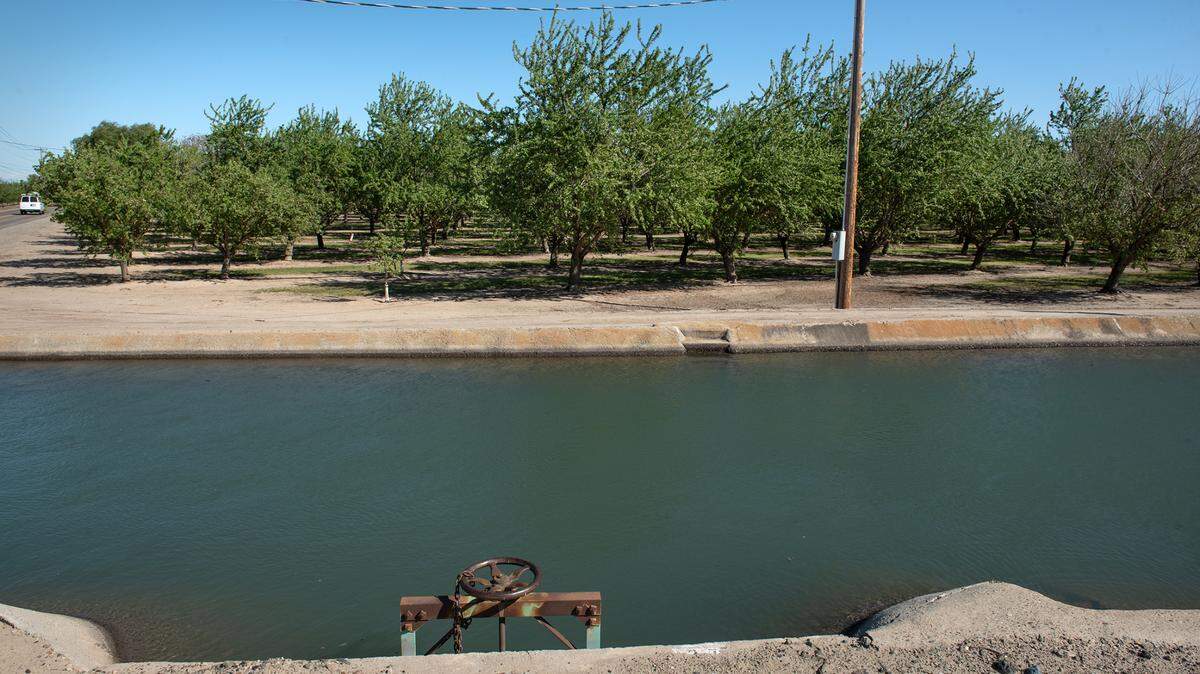
After two dry winters, the April 1 snowpack measurement, which is typically the deepest and highest in water concentration, is far below average at 59% according to the Department of Water Resources. This low amount signals that California will need to crunch on water consumption because cities and farms will have a decreased allotment of water available during 2021.
With the hardships of the 2012-2015 drought fresh in Central Valley residents’ minds, we should look at how to make our water use more efficient.
Residents can use water-efficient appliances, take shorter showers and plant drought-resistant landscaping. Californians have been following these guidelines and have decreased urban water use even though the population continues to grow. However, to substantially decrease water demands the Central Valley needs to address agricultural water usage.
The main problem with agricultural water use is pricing. Even though the Modesto Irrigation District (MID) has implemented a tiered pricing structure to incentivize water efficiency among its agricultural customers, the price is too low to achieve this goal.
For example, in MID’s Draft 2020 Agricultural Water Management Plan, the cost of 42 inches of irrigation water, which was the 2020 seasonal allotment, is only $23 an acre-foot. This price makes it cheaper for farmers to use more water than it is for them to invest in water-efficient technologies.
This low price also does not generate enough funds for MID’s programs to improve infrastructure to further conserve water. Programs, such as MID’s on-farm irrigation improvement program, could help create more water efficiency if it were adequately funded.
Orchards bring less fallowing flexibility
Another problem is the conversion from seasonal crops, like alfalfa and grains, to more lucrative permanent crops, like almonds, peaches, and grapes. Seasonal crops can be fallowed, which is useful during drought conditions so that water can be prioritized for permanent crops, which can’t be fallowed.
However, MID’s jurisdiction now has over 50% of irrigated land growing permanent crops. This is alarming because it decreases flexibility. This transition will cause problems for MID and other water agencies during droughts.
With both climate change creating drier conditions and the rising population increasing food demand, Modesto along with the rest of the Central Valley will need to become more water efficient. Both the problems with pricing and crop conversion need to be addressed sooner rather than later to create a more sustainable agricultural industry.
I think it is evident that MID should change their pricing structure to better incentivize agricultural water efficiency and fund programs. Additionally, to solve the problem with crop conversion, MID should impose a moratorium on the transition to permanent crops until an environmental and economic impact study can be initiated and completed.
Even though these problems seem insignificant, Modesto needs to address them now to avoid disastrous consequences like those seen with the 2012-2015 drought.