
Confronting Black mental health stigma after Modesto upbringing
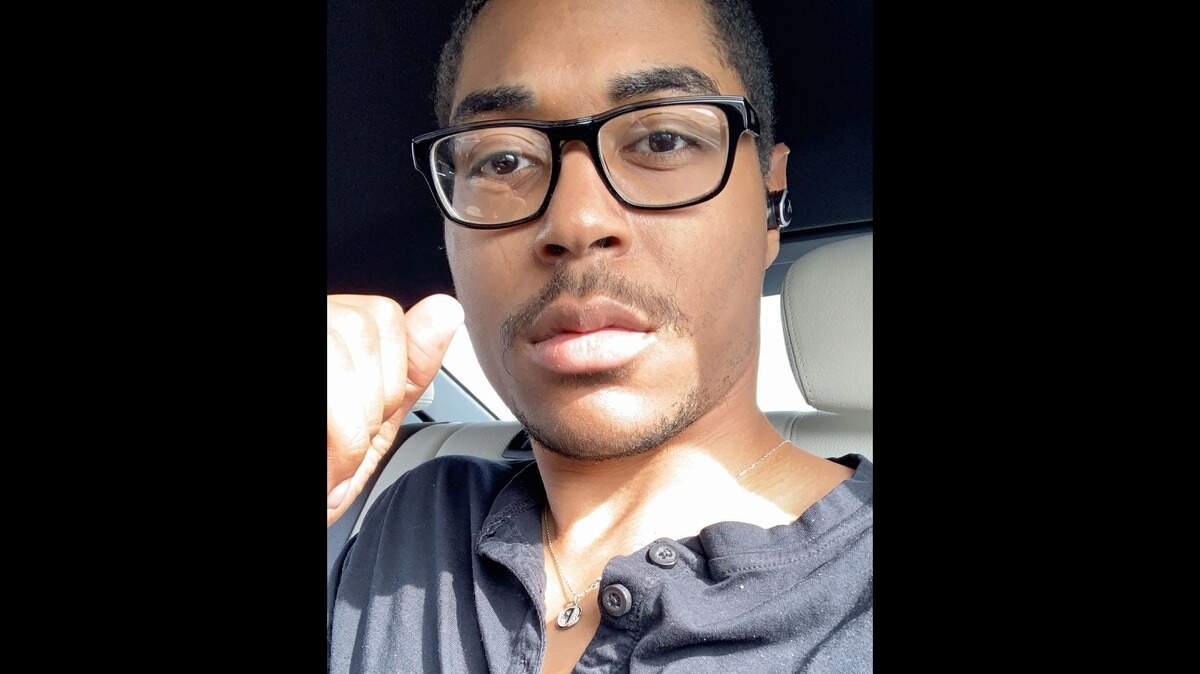
“You are not depressed” is a sentence that I have heard in my family a lot.
As an African American man, the word “depression” was colored as dirty, better yet heresy. Mental health was not viewed as something that I needed to be a successful Black man. I needed God, good test scores, and connections to people who could put me in places I couldn’t get into by myself. Black culture and mental health have always been as separate as the East from the West. But this has to change, because good mental health is essential for success.
Getting through high school at James C. Enochs was a breeze. My mental health didn’t decline until I attended Modesto Junior College and later California State University, Stanislaus. Being my own man and gaining independence through a promising writing career fueled me to tackle my poor mental health.
So, I went in search of a therapist. Few Black mental health specialists were in Stanislaus County, but that didn’t matter. I wanted someone who didn’t look like me or have my life experiences. I thought someone who didn’t know my culture would listen with fresh ears and give me the best course of action. They would value my voice.
When my therapist said to me, “I don’t have any Black patients. Talking about depression with a man that looks like you is new for me. I don’t have much of a background with it,” I quickly realized that I was one of few seeking care, when I knew I should’ve been one of many.
In the Black community the negative connotations assigned to mental illness have created generations paralyzed by stigma, who refuse, or perhaps are afraid, to get help.
Courage is a cup that needs to be overfilled when individuals tell their parents that they’re depressed. I needed courage in excess. I was in part ridiculed for living a truth, of needing help, that stained my family’s name. Although I was formally diagnosed as depressed, my family only referred to it as “my issue.” To them, seeking mental health care was taboo.
Some of the stigma may be rooted in the prevalent idea that we have to be strong. Black families look to their sons with a high level of hope. At times, the burden of that hope comes at all costs. The pressure to be a beacon can be too much, and it’s detrimental to young generations. Many don’t have a recourse to admit or cope with their trauma and mental illness.
Researching depression and mental health allowed me to undo the trauma of being dismissed. I learned that my community’s deeply held myths were not facts.
Neuroscience research has shown that structural and chemical abnormalities in the brain contribute to mental illness. Finding that lack of healthy nerve cell growth, connections and nerve circuits were a possible cause for my mental illness changed how I viewed myself, my mental health and the treatment I pursued. My research dispelled “truths” given to me by my family.
That revelation must happen for others.
The Black community, and society as a whole, has to remove the stigma tagged to mental illness. Seeking treatment is not something that needs to be viewed as bad or an inconvenience, rather an opportunity to move forward in truth and hope.
During Black History month, where a bright light is shined on our community, we’re given a chance to acknowledge that generations of mistreatment and trauma have been perilous on the mental health of the Black community. It is also an opportunity to create a new culture around mental well-being, one that is void of myths and steeped in facts, acceptance and compassion.