
He always said he didn’t kill 3 Modestans 25 years ago. Now everyone agrees — almost
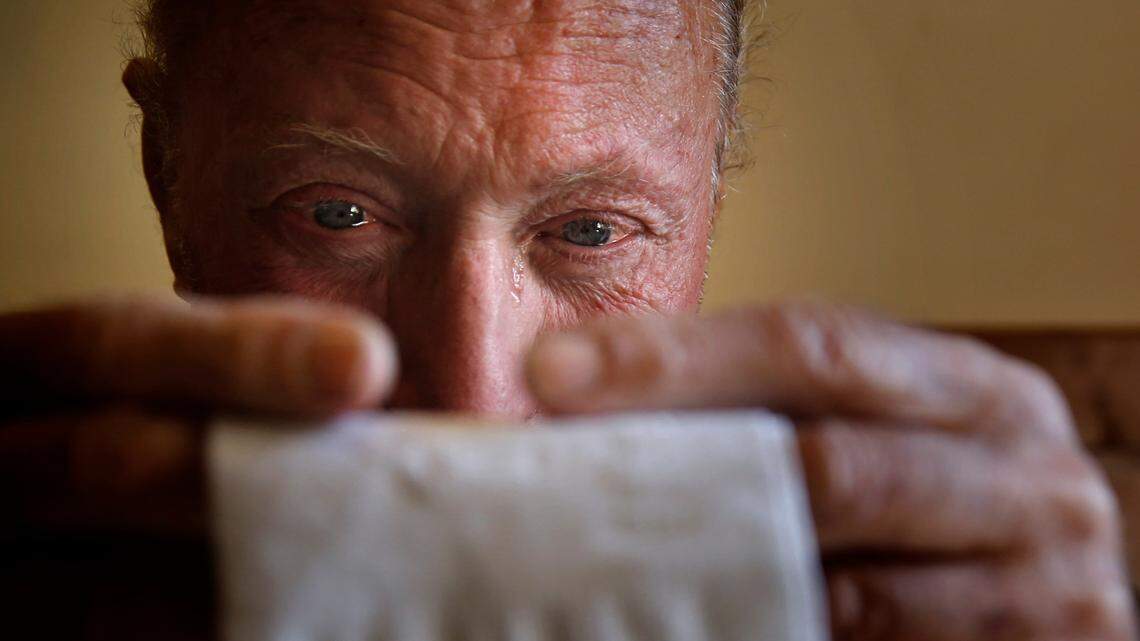
Stanislaus County District Attorney Birgit Fladager believes that George Souliotes murdered a 30-year-old woman and her two young children in 1997 by burning, as they slept, the Modesto home they rented from him. The family had fallen behind in rent and Souliotes was angry at the trouble he had evicting them, prosecutors said.
A lot of people agreed, including jurors in his second trial (those in the first were divided, ending in a hung jury). Appellate justices and the California Supreme Court also agreed and, no doubt, so did many readers of The Modesto Bee, which closely followed the compelling story as it unwound over many years.
But some didn’t buy authorities’ version of events.
Some listened when Souliotes said over and over that he didn’t do it. An innocence project questioned whether Modesto fire investigators had rushed to judgment, and whether the prosecution’s sole eyewitness had told the truth.
Years after the Greek immigrant’s conviction, improved methods disproved the science relied on to convince jurors that his shoes had been soiled with the same petroleum substance used to accelerate the fire. Souliotes’ pro-bono attorneys debunked the arson theory altogether, and discredited the inconsistent eyewitness testimony.
His new legal team eviscerated the performance of Souliotes’ trial attorney, who had failed to call even one defense witness and didn’t bother to put an arson expert on the witness stand — after promising jurors to do so during his opening statement.
Eventually, a judge decided that there were just too many unanswered questions to keep Souliotes imprisoned, and ordered a new trial. Instead, Souliotes agreed to plead guilty to involuntary manslaughter based on the theory that his rental’s fire alarm had been faulty. Even that was false, he maintained, but the plea deal meant he could at long last leave custody, so he went along.
After 16 1/2 years behind bars, Souliotes walked out a free man — stooped, balding and 72 years old, but finally free.
“I see the sun,” he told reporters. “It is beautiful.”
Righting a wrong
That was in 2013. Since then, Souliotes has attempted to tap into a fund set up by California legislators to compensate those wrongfully convicted. Nine years later, his claim is on the brink of approval.
The vehicle is Senate Bill 632, a compilation of five claims submitted by former inmates, including Souliotes. All have a stamp of approval from the California Victim Compensation Board, which scoured Souliotes’ case from top to bottom and concluded that he was right all along. He is owed $841,820 based on a legislature-approved value of $140 per day for the 6,013 days he languished behind bars, the board found.
“Souliotes has shown by a preponderance that he is innocent of the crimes of arson and murder,” the board concluded.
SB 632 sailed through the Senate, passed through an Assembly committee without any “no” votes and awaits approval on the Assembly floor, after which it would need final concurrence from the Senate before heading to the governor’s desk for his signature.
When making such decisions, legislators consult analyses produced by staff in their respective chambers. A summation shows no opposition to any of the five claims.
Here is the problem: Stanislaus prosecutors are opposed. And their stance has vanished from the record.
Back in February, Fladager’s staff sent the Senate notice that Souliotes has never been found factually innocent, a requirement for compensation. Arguments in his favor “do not change our opinion that he is responsible for this crime,” spokesman John Goold wrote.
That contention showed up in the text of an early analysis accessible to Senate Republicans, but not in its summary, and for some unexplained reason does not appear in any of the subsequent analyses in both legislative chambers.
Be transparent, Legislature
The Modesto Bee editorial board on Tuesday asked Fladager about the discrepancy.
“I don’t really have an explanation for the machinations of how legislation makes it through our state Legislature,” she responded Wednesday. But that same day, she fired off emails to legislators advising them that she indeed opposes the Souliotes claim in SB 632, which otherwise might be expected to receive rubber-stamp treatment.
“The idea of compensating the truly innocent for wrongful incarceration has morphed into something now completely unrecognizable,” Fladager said in her note to legislators.
How material opposition can vanish from the record is a mystery that should be explained by legislative leaders. Failure to do so results in diminished respect and trust by the taxpayers and voters who put them into office to serve the public, not the false veneer of unanimity.
If Souliotes deserves the money, pay him. Just don’t do it pretending that everyone is OK with it.