
California skilled nursing care is threatened by budget cuts | Opinion
Eight years ago, I faced a question I wasn’t prepared for: Where would my mom go when we could no longer care for her at home?
Today, that same question could become even harder for hundreds of thousands of California families to answer. Unless Gov. Gavin Newsom and state legislators restore critical funding for the Workforce and Quality Incentive Program in the 2026-27 state budget, skilled nursing facilities across the state risk staffing shortages, reduced services and even potential closures.
There’s something many people don’t realize until they’re caring for an older relative: Medicare covers skilled nursing care only for a limited time, so many older adults who continue to need care must rely on Medi-Cal. The Workforce and Quality Incentive Program provides critical funding that helps support the skilled nursing facility workforce and improve care quality for Medi-Cal patients.
State budget decisions are not abstract for families like mine. These choices determine whether a loved one can access the care they need. When funding falls short, waitlists grow, services shrink and families are left scrambling when they need stability and support the most.
As my mom aged, she reached a point where she could no longer care for herself. She moved in with my family, and we did everything we could for years. Over time, she became wheelchair-bound, incontinent and in need of medical care beyond what we could provide. We tried assisted living and part-time in-home care, but both were financially unsustainable and medically insufficient.
I kept coming back to the same question: Where could she go to receive the care she needs and deserves? In our moment of need, a skilled nursing facility in Folsom became a lifeline.
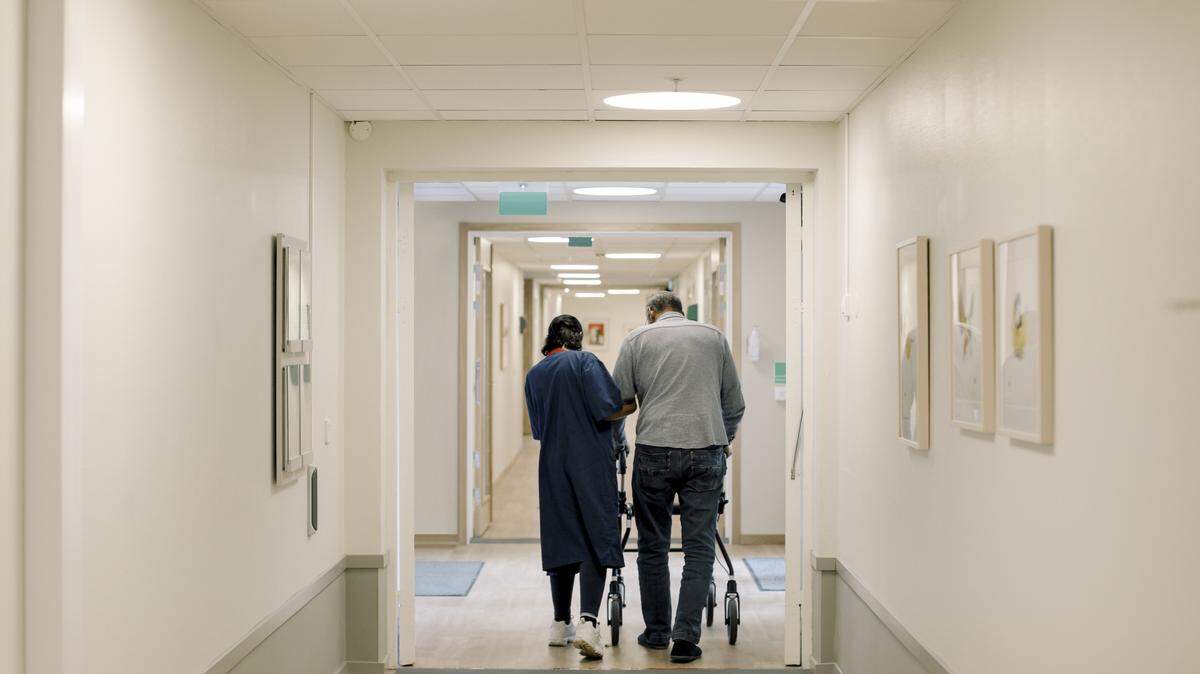
From the moment she arrived, a team of nurses, certified nursing assistants, therapists and social workers built a care plan tailored to her needs. They provide physical and speech therapy, medication management and ensure proper nutrition, ensuring she has the kind of care we couldn’t provide at home.
Just as importantly, their support extends beyond medical needs. They care for my mom as a person. They have celebrated her birthdays — most recently her 92nd — as well as holidays and small victories. They have also supported our family through the progression of her dementia and now hospice care. Over time, her care team has become an extension of our family.
But that lifeline is now under threat across California.
In July 2025, the state budget cut the Workforce and Quality Incentive Program, eliminating $300 million in state and federal funding for skilled nursing facilities. These incentive payments go to long-term care centers that meet workforce and quality-related benchmarks, dollars they can invest back into patient care and the workforce that makes that care possible through workforce recruitment and retention efforts and facility improvements.
If funding for this incentive program is not restored, the consequences for hundreds of thousands of California families will be devastating. Nearly half a million California families depend on skilled nursing facilities every year for round-the-clock medical care when there is nowhere else to turn.
For many patients, especially those living with Alzheimer’s disease or other dementias, access to skilled care is not optional; it is essential. Roughly 70% of Medi-Cal beneficiaries 65 and older in skilled nursing facilities are living with Alzheimer’s or related dementias.
These facilities serve a broad and growing population, including seniors, veterans, people with disabilities and those recovering from strokes, surgeries or serious injuries, most of whom rely on Medi-Cal or Medicare. Whether for short-term rehabilitation or long-term care, skilled nursing facilities are a lifeline for families and a cornerstone of our healthcare system.
Without restored funding for the Workforce and Quality Incentive Program, skilled nursing facilities will risk facing staffing shortages, reduced patient services and even potential closures.
As we await the governor’s budget revision and the legislature’s final budget adoption in June, I’d like to remind Newsom and legislators that this spending plan reflects their priorities. It’s time to prioritize the hundreds of thousands of vulnerable Californians who depend on skilled nursing facilities — and the workforce who make their care possible.
Kelly Welch was born and raised in Folsom, where her mother currently receives care in a skilled nursing facility.
This story was originally published May 8, 2026 at 5:00 AM with the headline "California skilled nursing care is threatened by budget cuts | Opinion."