
America risks losing global trust if we flout partnerships, trade commitments | Opinion
In the 1960s, Stanford psychologists began placing children in a room with a marshmallow. The setup was simple: The adult would leave, and if the child could resist eating the sweet until the adult returned, they would be rewarded with a second one. It was a test of delayed gratification — the ability to ignore an immediate craving in favor of a long-term payoff.
The United States is currently sitting in that room, staring at the marshmallow. In fact, some might argue that we’ve already eaten part of it.
Our national marshmallow on any given day can take many forms: It can be the temptation to retreat into isolationism or to tear up trade agreements because they’re not perfect. The cost of defending an ally can seem too steep.
To the short-sighted observers of world affairs, eating the marshmallow for a quick fix of political gratification can feel like a win. It saves money today and satisfies a populist itch.
But for a global superpower, the long game is the only game that matters. We need friends for many reasons.
Our most significant long-term reward is the status of the U.S. dollar as the world’s default currency. Because the world trades in dollars, we enjoy lower borrowing costs and a level of economic leverage that no army can match.
The global supremacy of the dollar is not a divine right, it’s a result of global trust in our stability and our willingness to lead. If we choose the immediate gratification of fiscal recklessness or weaponize our currency to the point that allies seek alternatives, we’re eating the marshmallow. Once that trust is gone, the cost of everything from gas to groceries in our own neighborhoods will skyrocket.
Then there’s the North Atlantic Treaty Organization and our pacific partnerships. Critics often view these alliances as a one-way street or a bill we pay to protect others, which is a fundamental misreading of the scoreboard. Alliances are not a charitable contribution — they’re a forward-deployed insurance policy.
By maintaining a presence in Europe and Asia, we ensure that global conflict stays far from our shores. The moment we signal that our commitment is conditional or based on a protection-racket mentality, we invite competitors like China and Russia to fill the vacuum.
When it comes to war — unlike sports — you don’t want a home game.
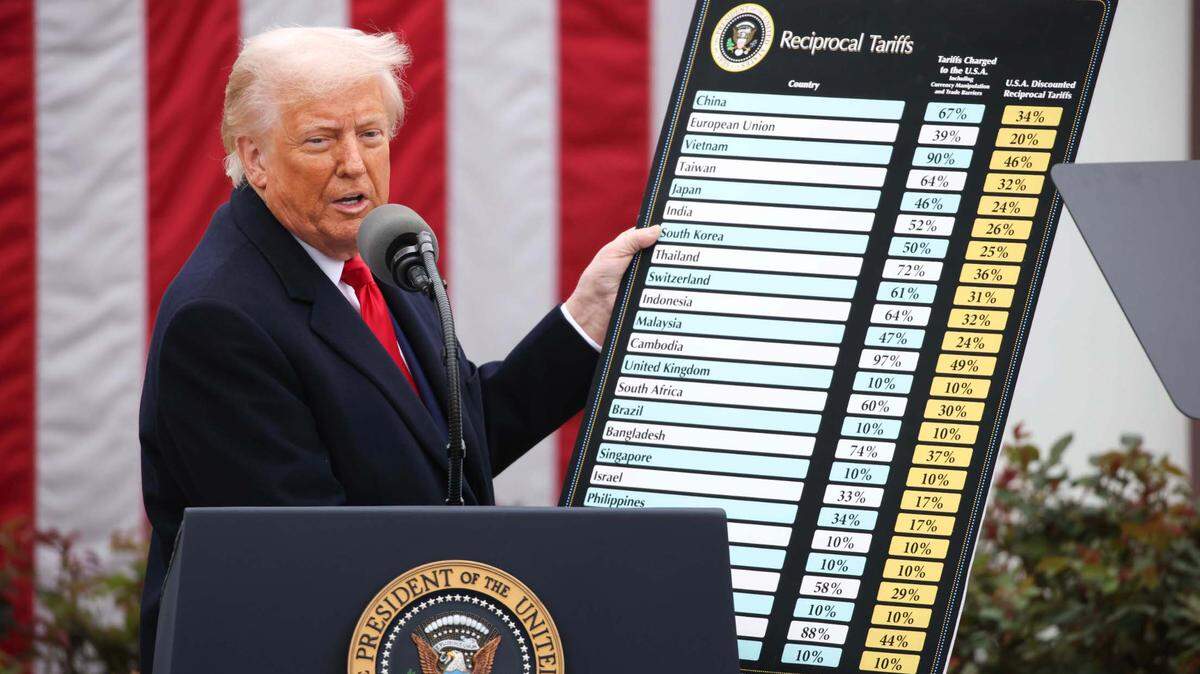
Trade partnerships follow the same logic. It’s easy to find a factory that closed and blame a trade deal. It’s harder, but more honest, to count the millions of jobs supported by exports and the lower costs for every American consumer. When we pull out of trade blocs, we don’t stop trade from happening — we just let China write the rules.
We trade the seat at the head of the table for a moment of protectionist applause. That’s a bad bargain.
We were once the adults in the room
The United States became the leader of the free world because we were the adults in the room who understood delayed gratification. We built institutions like the International Monetary Fund, the World Bank and other alliances that created an American-led century.
The resulting stability generated investment. The predictability generated power. Decades of patience generated prosperity.
In short, we never fell to the temptation of an action with temporary upsides and long-term downsides — the proverbial marshmallow.
If we now succumb to the impulse to grab the immediate economic treat, to bring everyone home regardless of the cost or to turn our backs on our partners, we’ll find the room very empty when the test is over.
The first marshmallow is always sitting there, and it may look inviting. But the second one — representing the future of American influence and the prosperity of our grandchildren — is worth the wait. We need the discipline to keep our hands off the table and stay focused on the long game.
Matt Rexroad is an attorney and political consultant.
This story was originally published March 21, 2026 at 6:00 AM with the headline "America risks losing global trust if we flout partnerships, trade commitments | Opinion."