
What it was like reporting on toxic drinking water at my prison, Mule Creek | Opinion
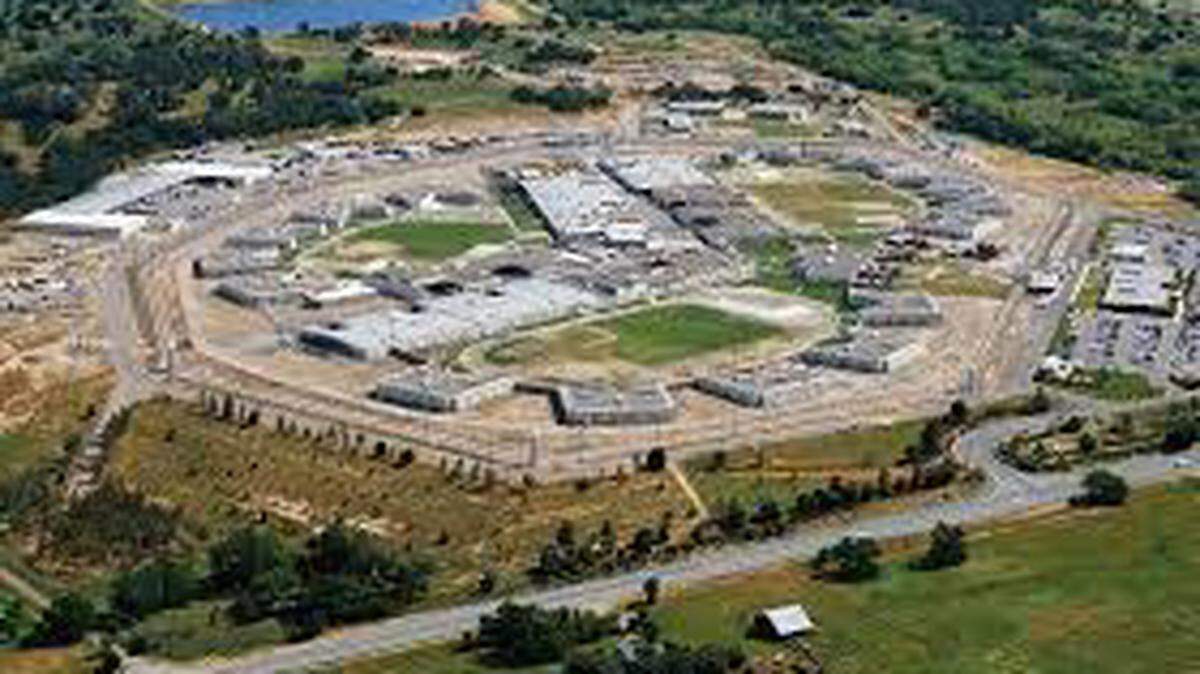
This May, the results of a two-year investigation into drinking water contamination at Mule Creek State Prison in Ione was published by the online criminal justice publication The Appeal and the nonprofit newsroom Type Investigations.
This story began as I watched my cellmate (we are both incarcerated at Mule Creek) drop nearly 50 pounds in about three months. Acute pain in his side sent him to an outside hospital, where he was ultimately diagnosed with kidney cancer.
Doctors couldn’t tell my cellmate the cause of his cancer, but the prevalence of others who complained of thyroid, kidney, liver and epidermal illnesses since arriving at Mule Creek was alarming. Many were suspicious that the water was the source of their illnesses. Prison officials have adamantly denied the allegations and assured us the water is safe.
So began a unique reporting experience as an incarcerated journalist. With help from an outside team, including support from The Appeal and Type Investigations, I investigated claims of toxic drinking water while both drinking it and being imprisoned by the facility responsible for the contamination.
I have the dubious advantage of living with those who have provided testimonies of illnesses they believe are waterborne. I’ve seen the scars of operations to remove growths and body parts. I’ve witnessed once healthy, vibrant people succumb to phantom diseases, internal distress and inexplicable sickness.
I see, bathe in and drink the sometimes cloudy, often foul tasting water every day. I can attest to the black mold that forms on the nozzles of bottles we fill with water daily, and how the mold forms in the showers where the water drips.
Our reporting — which included interviews and surveys from nearly 100 people, and a review of thousands of pages of records — revealed troubling concerns and observations of the prison’s water quality for the last 20 years. Despite illness, warning signs, complaints and lawsuits, the California Department of Corrections and Rehabilitation (CDCR) as well as local government health agencies all denied responsibility for ensuring the prison’s drinking water is safe.
CDCR did not provide adequate drinking water test results for our team to review. But we did find a 2018 report revealing the breakdown of the prison’s piping system as well as oil and grease in a drinking water sample. Our reporting team was able to access this report by requesting the full document from the Regional Water Quality Control Board.
According to that report, which is not publicly accessible, the prison water was tested, and “most of the substances for which they tested the water were present only at ‘nominal’ levels. But bizarrely, one drinking water sample contained oil and grease.
Carsten Prasse, an associate professor of environmental health and engineering at Johns Hopkins University who studies drinking water contaminants, said the presence of oil and grease in the water “indicates a potential contamination.”
“Depending on the source, the presence of oil and grease might also be associated with other contaminants of health concern,” Prasse said.
The act of reporting on these conditions while living within the penitentiary walls is a tension-filled endeavor. I’ve been in cloistered rooms surrounded by prison personnel who have shown great interest in my reporting. The most recent encounter was following a story on canteen price gouging, where it felt like the only thing missing was a spotlight in my face and an angry interrogator.
During the course of this reporting, I’ve been informed on, threatened and intimidated. So why do it? Prison is a harsh, unforgiving place; why make things more difficult?
I feel that I don’t have a choice. There are principles and ethics involved — journalistic, professional and personal. Over 30 years confined has been a long road traveled. I’ve faced up to my criminality, gained insight into causative factors and overcame denial and deep character flaws that allowed me to harm others. With that insight comes an understanding of empathy and making amends.
Journalism is a good platform from which to learn and practice these principles. It has a solid foundation built on a commitment to truth to power and serving the needs of your readers. In this case, my readers were living through desperate and often hopeless conditions I knew as well as they did.
It’s not just prisoners at Mule Creek State Prison who suffer the ill effects of environmental injustice. As the Amador Ledger has extensively covered, the surrounding community of Ione is impacted by storm water and wastewater overflows from the prison, contaminating wells and waterways. Across the state and country, prisoners, prison staff and prison towns feel the toxic impact of carceral facilities.
In the largest prison building boom in history — 24 prisons built in California between 1982 and 1998 — mass incarceration was sold to rural communities like Ione with the promise of jobs and economic benefits. Forty years since construction began at Mule Creek, the hope of those promises has corroded and deteriorated faster than the iron pipes beneath the prison.
Anyone who has visited Mule Creek State Prison notices that staff never drinks the water. My reporting revealed that it’s good advice — no one should.
This story was originally published June 19, 2025 at 6:00 AM with the headline "What it was like reporting on toxic drinking water at my prison, Mule Creek | Opinion."