
Long before César Chávez, a Sacramentan planted seeds of the farmworker labor movement | Opinion
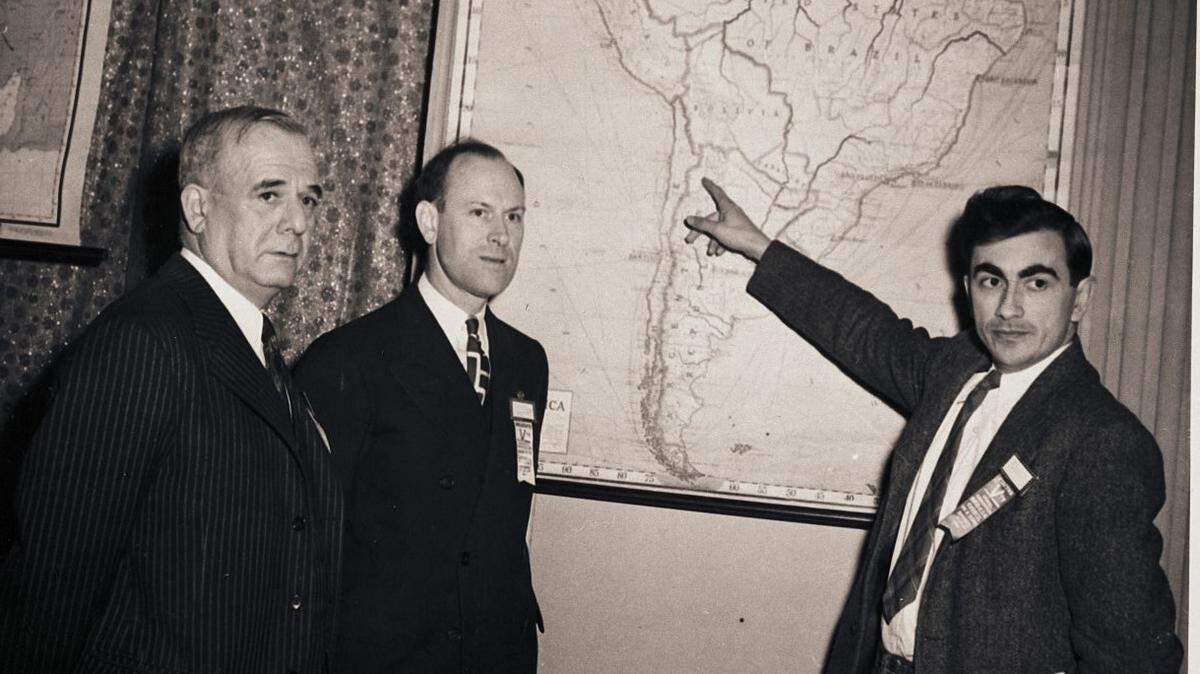
California’s decades-long farmworker labor movement has well-known activists, including Dolores Huerta, César Chávez and Larry Itliong. They mobilized farmworkers to organize themselves and gained support for the cause of better conditions and better pay.
Yet, long before some of those now-familiar names in California history, there was a Sacramentan who preached for the rights of farmworkers and encouraged Mexican-Americans to be proud of their heritage.
Ernesto Galarza, one of the first activists to raise awareness of the plight of Mexican farmworkers who became a pioneering figure in the Chicano movement, is more relevant than ever in the context of the recent election of Donald Trump. Instead of blaming immigrants for domestic issues, Galarza argued that our immigration system needed to better protect workers regardless of citizenship. Just as they are today, Galarza reminded us that farmworkers are an essential part of American agriculture.
Galarza’s Sacramento roots
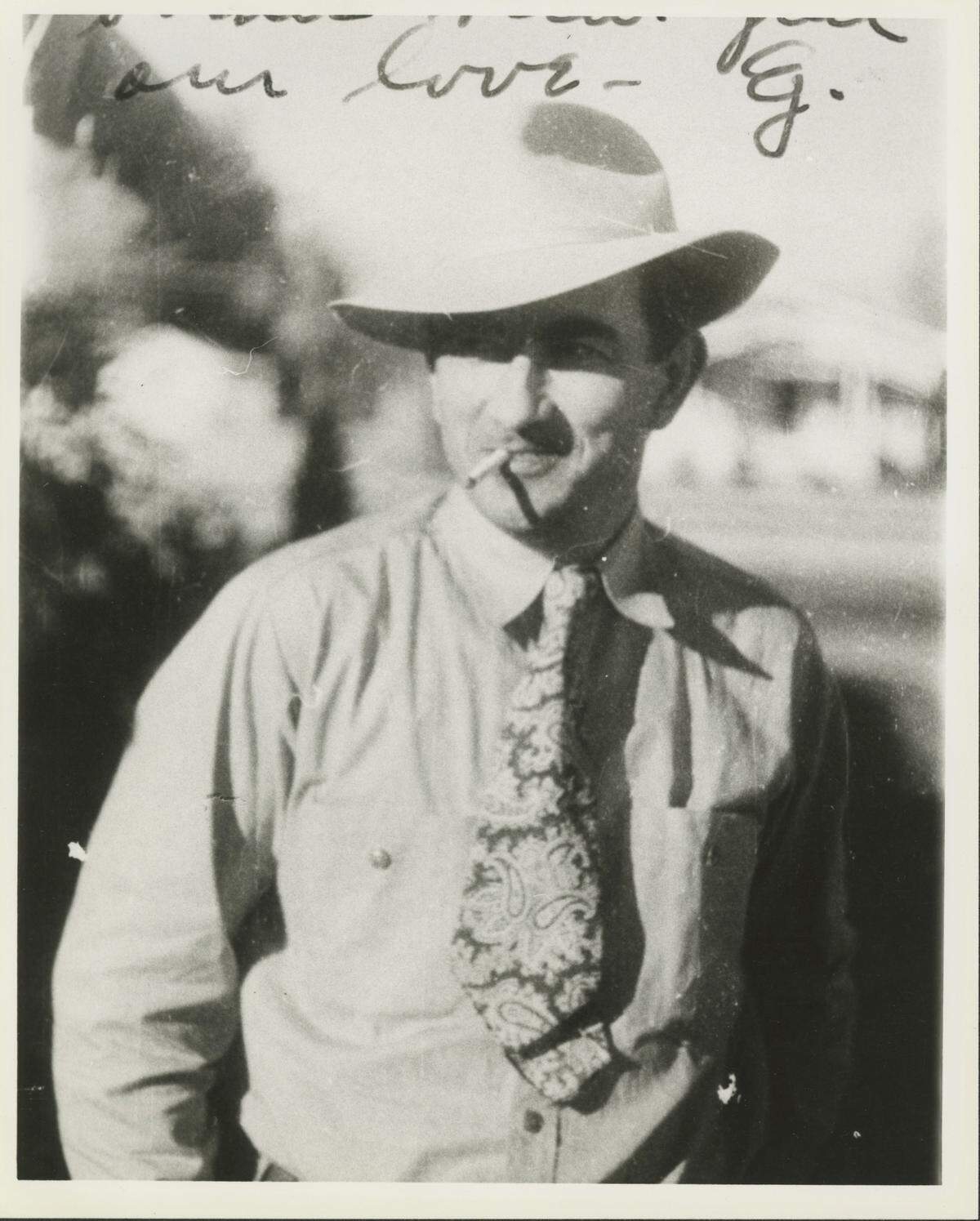
Galaza was born in 1905 in Jalcocotán in the Mexican state of Nayarit. At the age of six, he traveled with his mother and two uncles to Sacramento, initially staying in places like the Hotel Espanol at 112 J Street, in what is now Old Sacramento.
Galarza graduated from Sacramento High School in 1923, where a political science teacher who saw potential in Galarza convinced a friend at Occidental College in Los Angeles to help get him enrolled.
A gifted student, Galarza graduated from Occidental in 1928. During the summers, he worked as a farmworker and in canneries in the Sacramento Valley. He later earned his master’s in history from Stanford University and a doctorate in Latin American history from Columbia University.
A life of activism
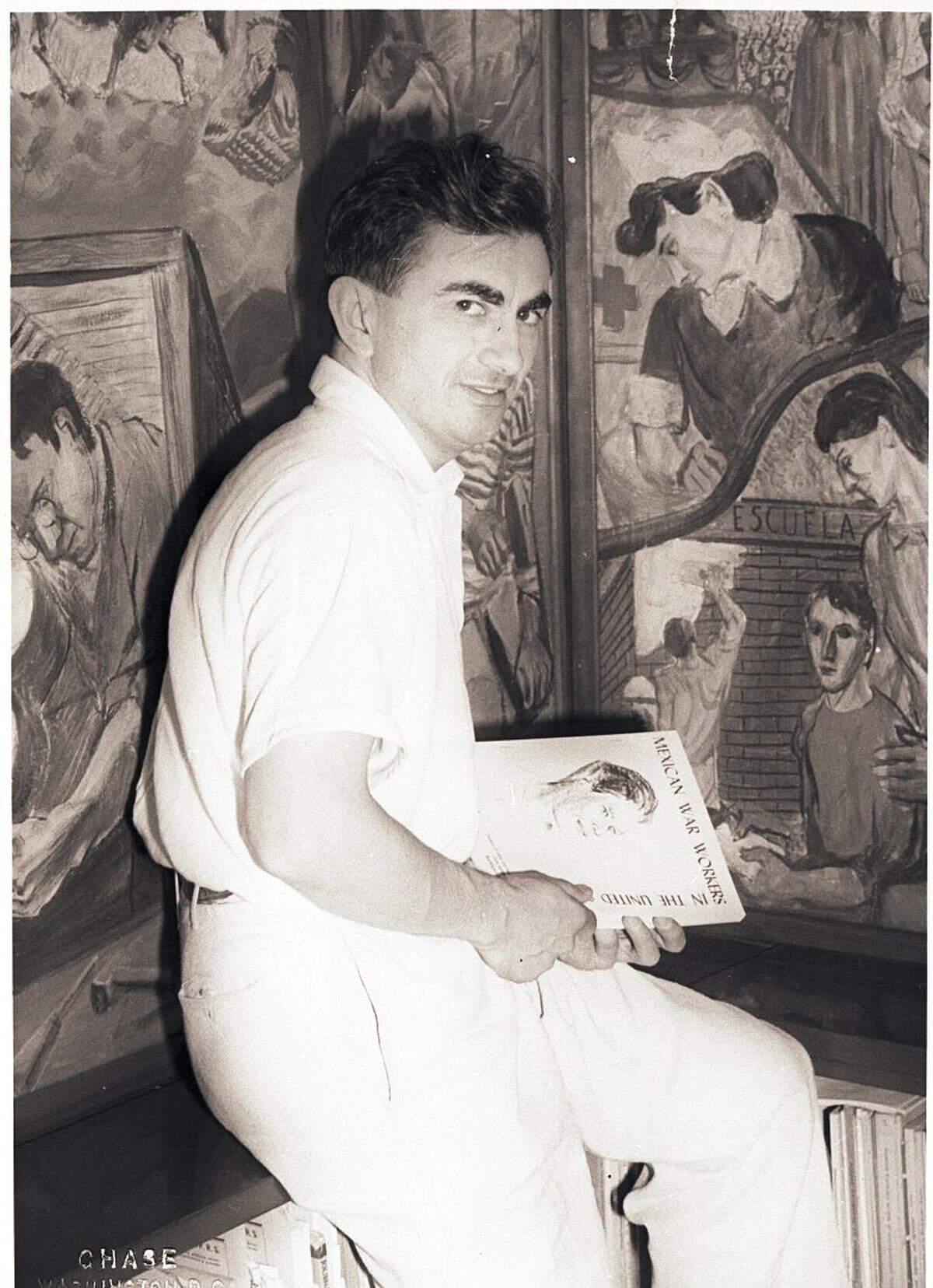
Despite becoming an Ivy League academic, Galarza remained in touch with his working-class roots. An outspoken advocate for unions, he worked as a labor advisor for the Pan-American Union (now the Organization of American States) in Washington, D.C. from 1936 to 1947.
After World War II, Galarza moved back to California, to San Jose, where he turned his attention to the plight of Mexican farmworkers. His next campaign targeted the so-called Bracero Program, which started in 1942 and became the nation’s largest guest worker program. It allowed California farmers to hire Mexican farmworkers under temporary contracts to fill wartime labor shortages.
Galarza suspected that the program was exploiting the migrant workers it contracted. Working for the National Agricultural Workers Union — a predecessor to Chávez’s United Farmworkers Union — as their director of research and education, Galarza witnessed first-hand how farm managers exploited Braceros who received almost no protection due to their immigration status.
The Bracero Program
One of the most consequential moments in Galarza’s career occurred in September of 1963 when a makeshift bus carrying Mexican farmworkers was stuck by a train near Chualar. The accident left 32 workers dead and 25 injured.
Rep. Adam Clayton Powell Jr., chair of the House Committee of Education and Labor, tapped Galarza to investigate the incident. Over several weeks, Galarza interviewed witnessed and documented the event in detail. His report to Congress was later published in 1977, under the title “Tragedy at Chualar.”
The incident also coincided with the publication of perhaps Galarza’s most influential work: his 1964 study, “Merchants of Labor: The Mexican Bracero Story.” In stunning detail, Galarza laid out how the Bracero Program, which started as an emergency labor program during World War II, engineered the mass exploitation of thousands of Mexican farmworkers by major agribusinesses for two decades. The book played a significant role in Congress’ decision to end the program later that year.
Galarza’s legacy
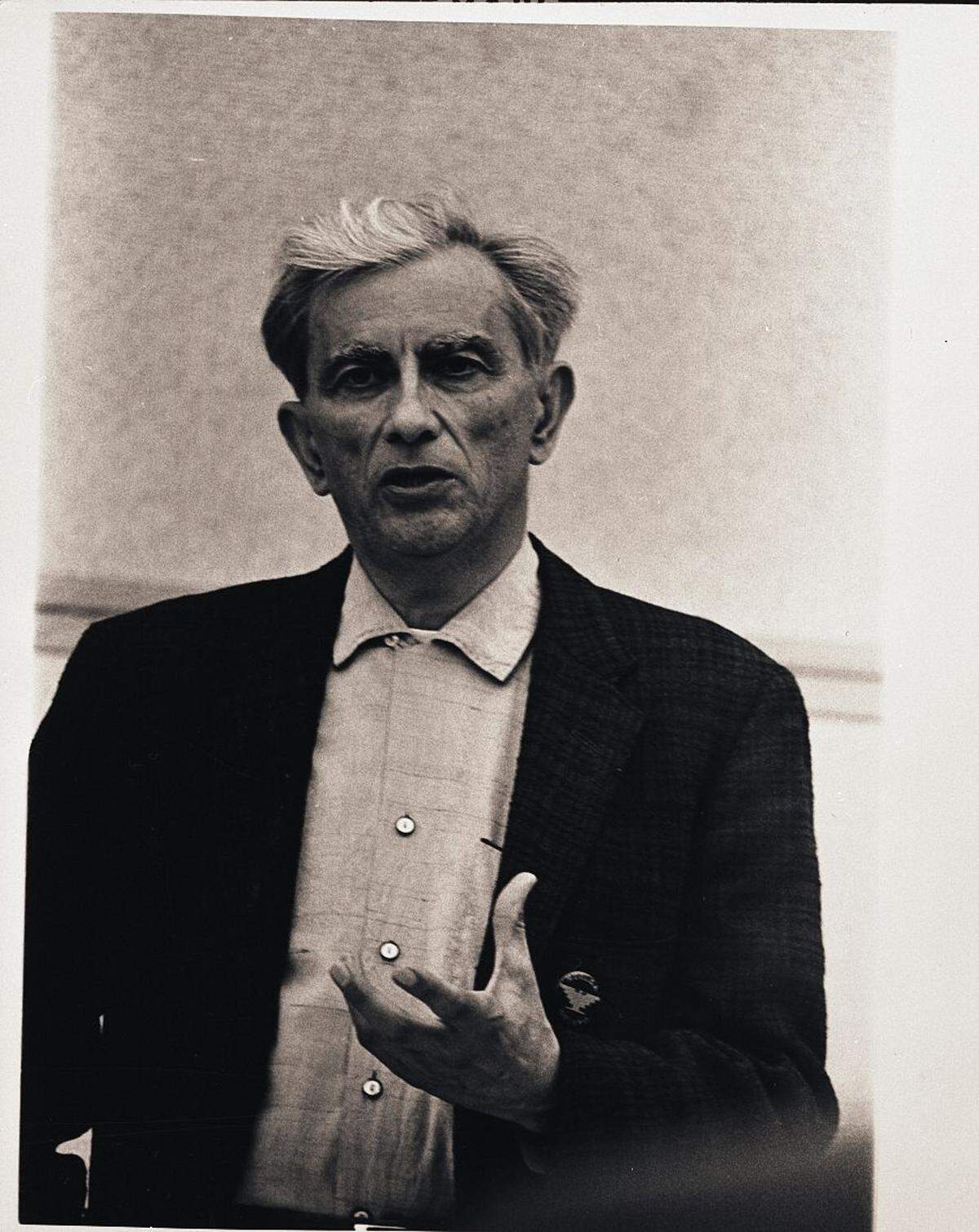
In later years, Galarza became a famous writer and educator who published several books. His 1971 autobiography, “Barrio Boy,” outlined his journey from Mexico to Sacramento and the struggles he faced as an immigrant. Several of the passages provide a window into Sacramento’s Mexican American community during the 1920s and ’30s. Galarza also penned several bilingual books for children to help teachers with Spanish-English education.
In 1979, he was nominated for the Nobel Prize in Literature. On June 22, 1984, Galarza died at the age of 79. Friends eulogized him as “Don Ernesto,” a title granted in recognition of his years of tireless work on behalf of the Chicano movement.
Chicano activist Herman Gallegos argued that while Chávez became famous for organizing farmworkers, it was Galarza who laid the groundwork for the farmworker movement through his investigations of conditions in the field.
In many ways, the struggle continues.
Here in California, Gov. Gavin Newsom vetoed legislation last year that would have required the Worker’s Compensation Appeal Board to investigate if employers violated California Division of Occupational Safety and Health heat illness standards for farmworkers — this despite last summer’s record high heat.
The Central Valley provides a quarter of the country’s food needs, and farmworkers are central to our economy. Just as Galarza fought for farmworker rights decades before, the fight must continue to protect the rights and lives of farmworkers in California and across the nation.
This story was originally published February 26, 2025 at 6:00 AM with the headline "Long before César Chávez, a Sacramentan planted seeds of the farmworker labor movement | Opinion."