
Men suffer from body image issues, too. Why aren’t we talking about it? | Opinion
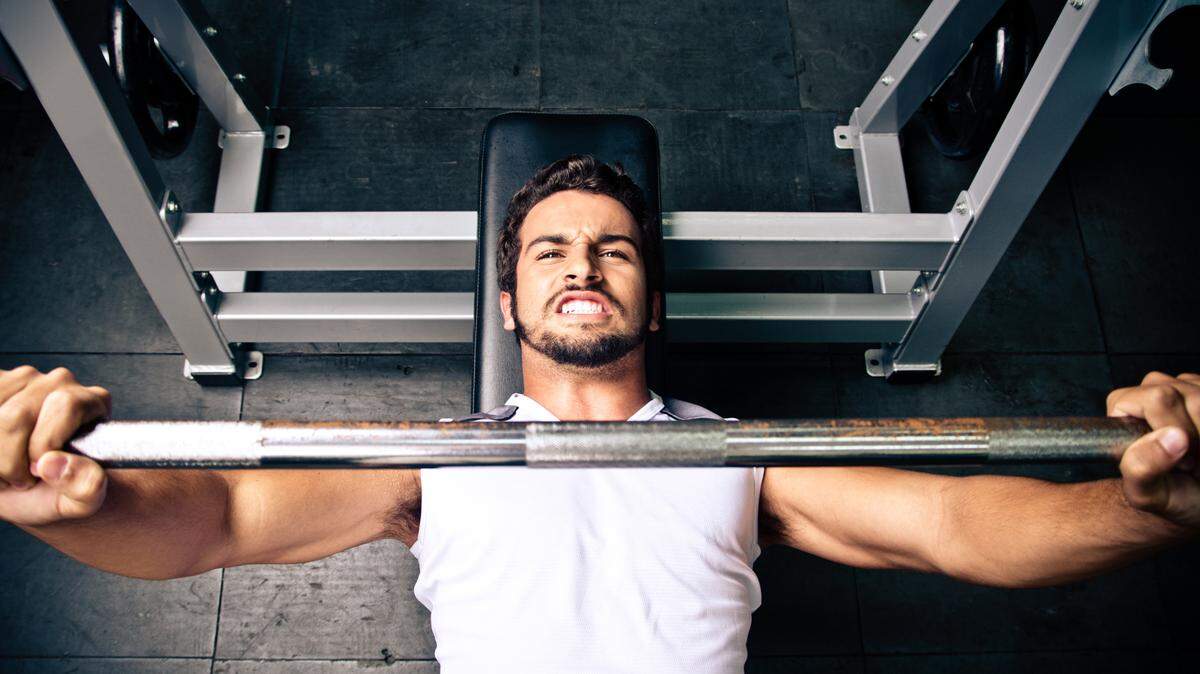
In college, I didn’t speak for an entire month. I wore headphones on campus and during grueling workouts at the gym, chomped heaps of dining hall chicken breasts alone, sat in the back of classes and did stealth runs for vending machine candy using cargo pants to hide my shame snacks. No one noticed.
Eating disorders are a “silent scream.” Dr. Molly Perlman, the chief medical officer of Monte Nido, a specialized treatment center for eating disorders, told Psychology Today that “millions of people are hiding an eating disorder every day.”
Since the pandemic, male eating disorders are on the rise. They are characterized by a compounded silence: men are less willing to talk about it, and they are more lonely and isolated than ever. Just like I was.
Recently, however, men are beginning to break the silence around disordered eating, working out and the “ripped” male body stereotype. Seattle Mariners catcher Mike Marjama shared his story of muscle obsession and bulimia; while actor Zac Efron said he got sick from caffeine pills while staying shredded on the set of Baywatch.
Unfortunately, there is still no coordinated male body positivity movement on social media to counteract the flood of unrealistic “thirsty shirtless” Instagram images (even as a recent report noted that Instagram’s algorithm prioritizes exposed skin).
I’m just a regular gym rat who wants to talk about body positivity. As a sensitive boy growing up in the 1980s, I hungrily consumed thousands of images of bare chests and ripped midsections from the likes of Conan, Rocky, Mr. T, Hulk Hogan and countless comic book archetypes that got more supersized and super-shredded with each issue.
I absorbed it all and learned that a man was only as manly as his muscles. That message was loud and clear even before TikTok workout videos became all the rage. In high school and college, I played sports and obsessively drank weight gainer shakes to try and bulk up. Then came the secret starving and binge eating. I was angry all the time, but I repressed by anger so much so that I didn’t even know I was rageful. On the surface, I simply went to the gym and then speed-scarfed pizza and peanut butter cups to the point of crippling, bloated stomach pains. It was fine, I told myself. Just eat healthier, I told myself.
It was 2002, and binge-eating wasn’t yet recognized as its own affliction (that came in 2013). Focusing only on my outer appearance, I figured my six pack made me “healthy.” As an athlete, I was unaware that we are two to three times more likely to develop an eating disorder than non-athletes — especially in sports like bodybuilding, wrestling, boxing, cycling, swimming and track (all of which I dabbled in).
Naturally, I kept spiraling. So did the rest of the world: A recent study found that hospitalizations for eating disorders in male patients increased by 400% since 2002.
I think it’s time for men to share our vulnerability, starting with our body image.
Today, I am so grateful to no longer be silently screaming. To put my gratitude into action, I’m ready to put my voice out there — just in case someone wants to tune in.
This story was originally published January 3, 2025 at 6:00 AM with the headline "Men suffer from body image issues, too. Why aren’t we talking about it? | Opinion."