
Can you start life after prison in California with $200? We expect former inmates to try | Opinion
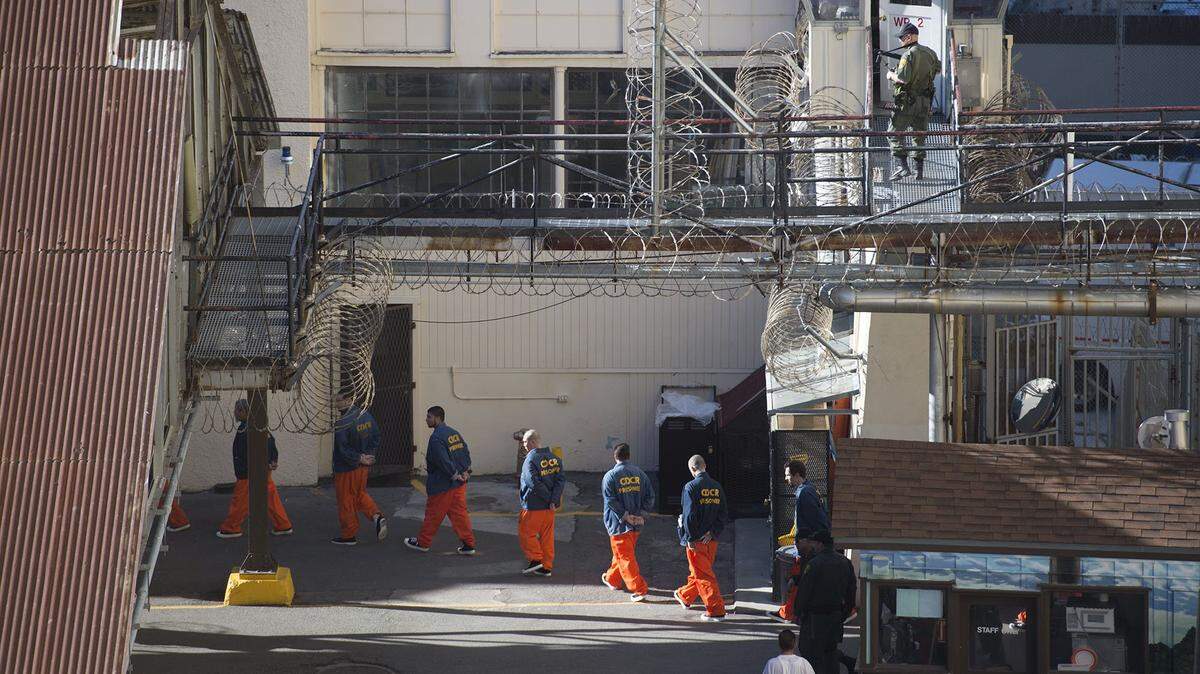
A prison sentence ends. A newly freed person walks out of a facility and into society. They are given $200 and told to get on with it. In California, this scene today looks almost exactly as it did in the 1970s — including the dollar amount.
The state provides this financial assistance — called “gate money” — to formerly incarcerated individuals upon their release from prison. It is intended to help them cover immediate expenses such as transportation, clothing, food and temporary housing.
At its best, this sum offered could help end the cycle of recidivism, facilitate more equitable reentry processes and provide societal support for individuals striving to rebuild their lives. At its worst — which is where it stands now — it is a completely inadequate contribution to those in dire need of support as they work to reintegrate.
For individuals leaving prison, particularly those without financial or familial support, sufficient financial resources are a key indicator of success. Despite this, as the cost of living in California has skyrocketed over the past 50 years, the state’s $200 gate money sum stands frozen in time.
The Golden State’s gate money allocation is scarcely enough to cover basic necessities. Inflation renders $200 in 1973 worth over $1,400 today. Imagine trying to restart your life in California with just a couple hundred dollars in your pocket. Without a support system or financial means, it’s a brutal reentry into society.
While formerly-incarcerated people increasingly benefit from California’s expanding reentry and rehabilitative programs, many still face reentry unassisted beyond their gate money allowance.
Fortunately, this issue is gaining momentum: During this year’s budget cycle, a coalition — including the Michelson Center for Public Policy, Root & Rebound, Initiate Justice and All Of Us or None, Legal Services for Prisoners with Children — advocated to end the California Department of Corrections and Rehabilitation’s practice of utilizing gate money allowances to cover transportation and clothing expenses upon release, which keeps a third of people from receiving their entire gate money allocation. The advocacy succeeded, and CDCR will now absorb these costs indefinitely.
Efforts to rectify this issue aren’t new. In 2022, then-State Senator Sydney Kamlager-Dove introduced Senate Bill 1304 to raise gate money to $1,300. Though the bill made promising progress, it did not pass.
The coalition plans to resurrect this fight to increase gate money. Bolstered by a compelling economic case, the argument is hard to ignore.
The annual cost of imprisoning one person in California has soared to a new high of $132,860, swelling 90% in the past 10 years. This bloated price tag is a burden on the state and taxpayers. One key to minimizing it is ensuring folks do not re-offend upon reentry.
Though California’s prison population is shrinking and recidivism is ebbing, it remains stubbornly high. Of the more than 30,000 individuals released from California prisons each year, we can expect 41.9% — more than 12,000 people — to end up back in prison within three years. Prioritizing these individuals teetering between repeat incarceration and successful reintegration is a moral imperative and fiscal responsibility.
According to these numbers, providing each of the more than 30,000 people released from a California prison in a year an additional $1,100 in gate money would cost less than keeping just 300 people in one of those prisons at the current rate for one year. If this increase in gate money lowers recidivism by even just one percentage point, the state would save money.
As California strives to approach policy with empathy — and budgetary discipline — its gate money issue is a skeleton in the closet. Increasing this sum to more closely reflect the true cost of living would be a profound step toward a more equitable, compassionate criminal justice system that works to break the cycle of poverty and incarceration rather than perpetuate it.
This story was originally published November 25, 2024 at 5:00 AM with the headline "Can you start life after prison in California with $200? We expect former inmates to try | Opinion."