
‘Forever chemicals’ are in our bodies and drinking water. We must stop using them | Opinion
Have you gotten food in a to-go container? Worn waterproof outdoor gear? Sat on a sofa made with stain-resistant fabric? Then you’ve likely been exposed to per- and polyfluoroalkyl substances, harmful substances commonly referred to as PFAS.
Another popular name for PFAS is “forever chemicals” because, according to Harvard, “they don’t break down in the environment or in our bodies.”
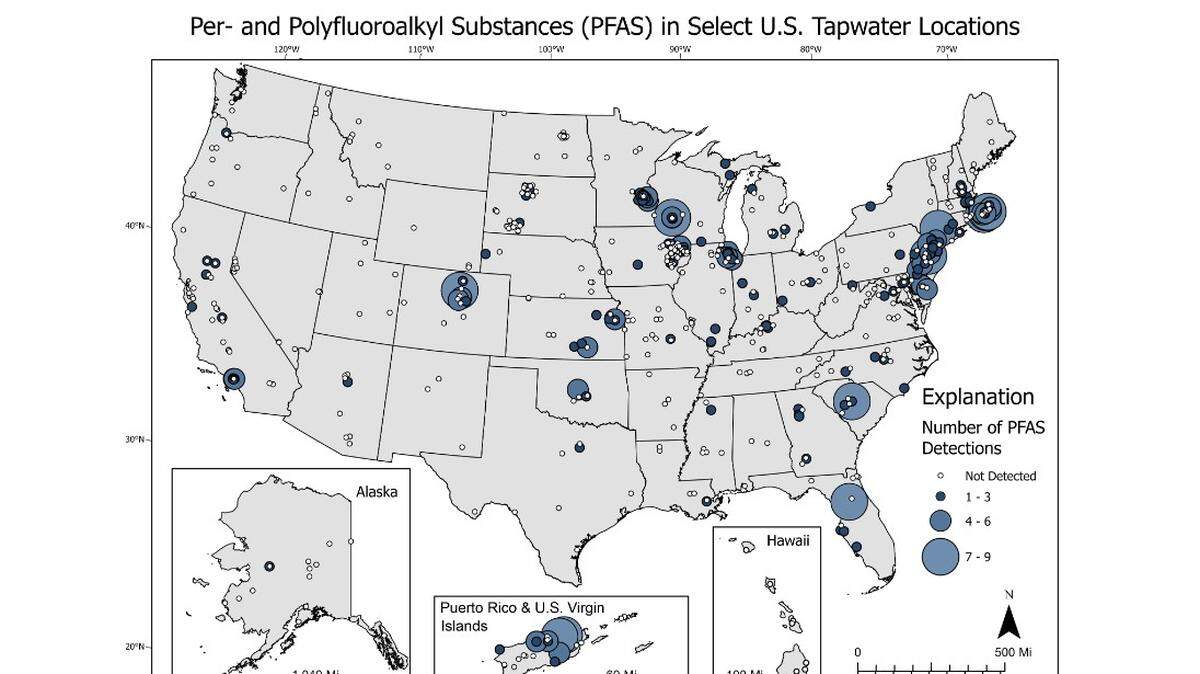
With so many of these chemicals in our everyday lives, PFAS have been leaching into our drinking water.
Finally, though, there’s something being done about this. For the first time in more than a quarter century, the federal government is proposing strong, enforceable drinking water standards for previously unregulated chemicals. The Environmental Protection Agency is taking this extraordinary action because these forever chemicals are spreading through the environment like wildfire, making them also “everywhere chemicals.” New studies consistently find that PFAS are more dangerous than previously thought, causing a range of health problems from cancer to developmental delays in children as well as a reduced ability to fight infections.
Because of the seriousness of PFAS contamination in California, legislators and advocates have joined forces to take actions that significantly reduce the use of PFAS in product categories such as textiles, food packaging and compostable materials. We teamed up on Assembly Bill 1817 last year — phasing out the use of PFAS in fabrics to make them water- or stain-resistant — which became law on January 1.
But we can’t rely on a piecemeal approach for a class of 14,000 chemicals found in everything from dental floss to raincoats, carpets and medicine.
Advocates have been sounding the alarm about California’s PFAS crisis for years, but the pace of progress does not yet match the urgency of this growing problem. We don’t manufacture PFAS products in California, but they are nonetheless found everywhere, from rivers and groundwater to our own bodies.
So far, officials have only tested about 3% of California’s public water systems, but two out of three (146 water systems serving 16 million people) were found to contain PFAS. And it’s not just people that are exposed to PFAS through the water. PFAS pollution has made certain fish from the San Francisco Bay unsafe to eat, posing a particular risk for people that rely on fish for food, including Tribal communities.
Studies also suggest that annual health-related costs of PFAS are already in the billions. But widespread contamination is also making it more expensive to deliver safe drinking water at a time when many families are struggling to make ends meet. In Orange County, for example, residents could see bills go up $20 per month to cover close to $1 billion in PFAS treatment.
While PFAS are everywhere, some of the state’s highest levels have been found in disadvantaged communities that already bear the brunt of other pollution problems, and may lack resources for clean-up.
The only way to deliver on California’s promise of safe and affordable drinking water for all is to stop pollution at the source and replace PFAS with safer alternatives. California also needs a comprehensive water testing program as soon as possible.
All of this is, of course, costly, and we can’t saddle consumers and ratepayers with the cost of these fixes, including the EPA’s proposal to treat drinking water that exceeds its PFAS limits. Corporate polluters that have profited from the sale of PFAS must be held responsible for the harm they have caused and pay for testing and treatment.
3M recently agreed to pay more than $10 Billion to help clean up drinking water contaminated with PFAS, but this is just a drop in the bucket compared to the astronomical costs facing communities across the state and country.
With new PFAS sources coming to light every day and a seemingly endless stream of products containing these chemicals, the only way to truly protect Californians is to stop using PFAS.
This story was originally published August 11, 2023 at 6:00 AM with the headline "‘Forever chemicals’ are in our bodies and drinking water. We must stop using them | Opinion."