
Rain, freeze watch in the Valley, low snow: Wintry weather this week around Modesto
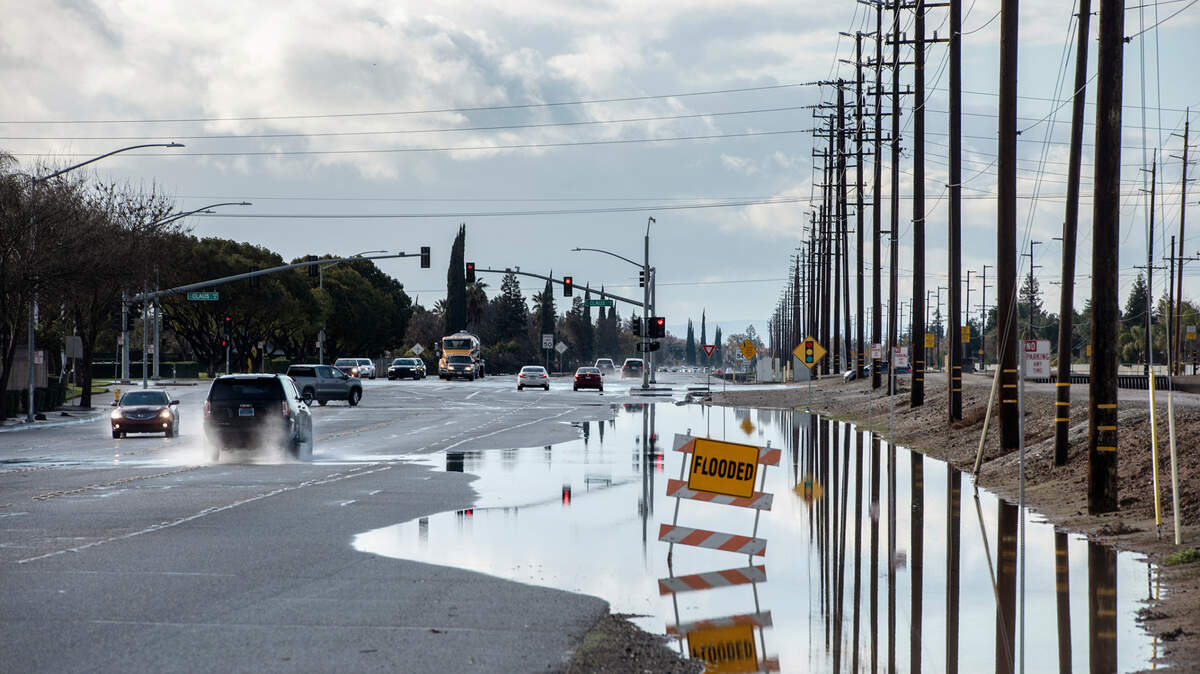
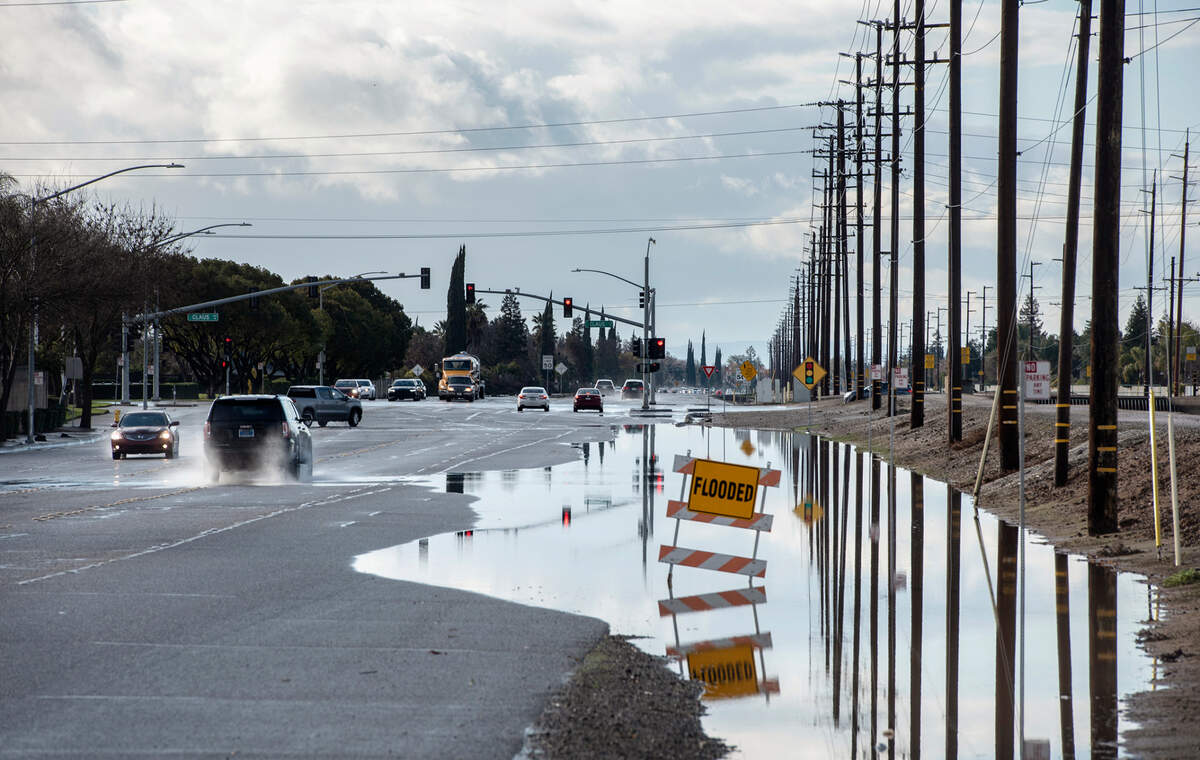
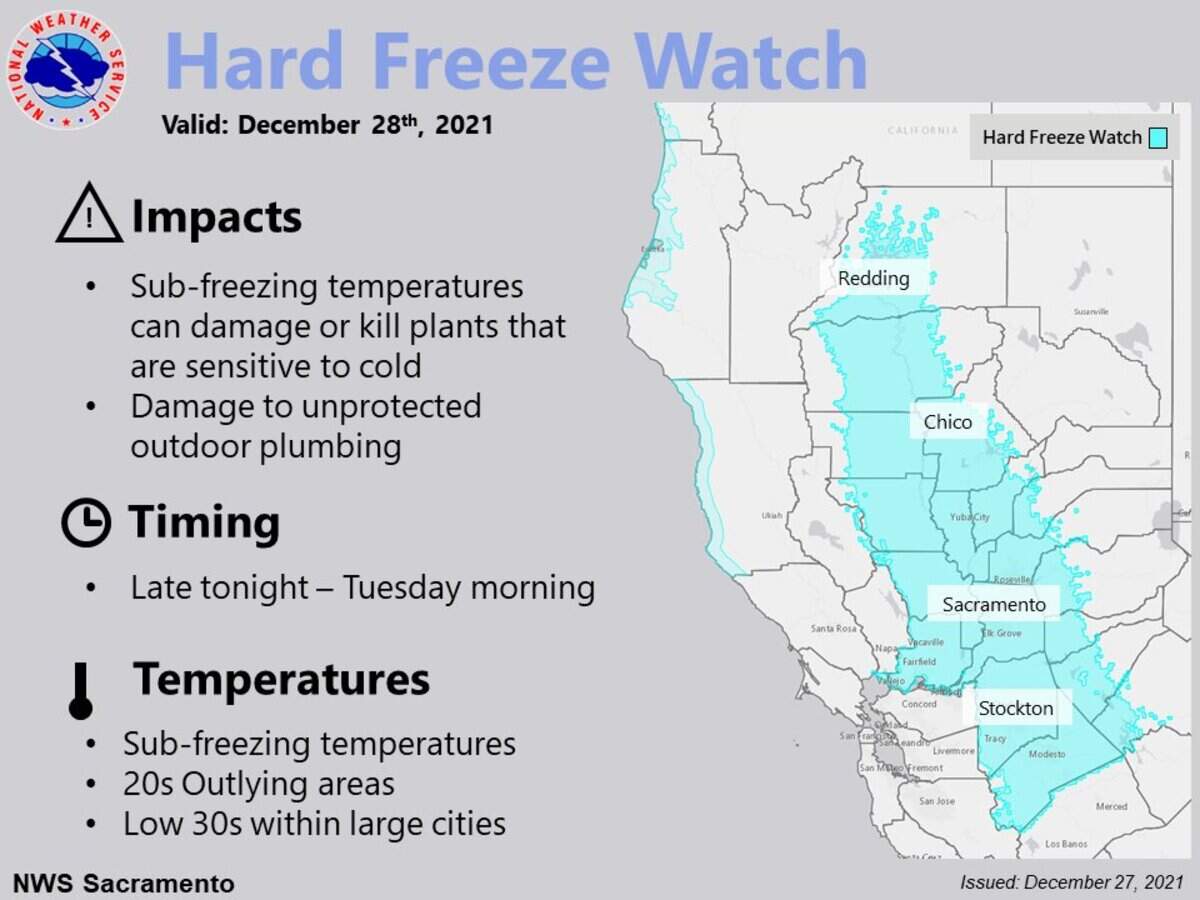
The last week of 2021 is looking wet and cold in the Modesto area, with the National Weather Service predicting rain and issuing a freeze watch.
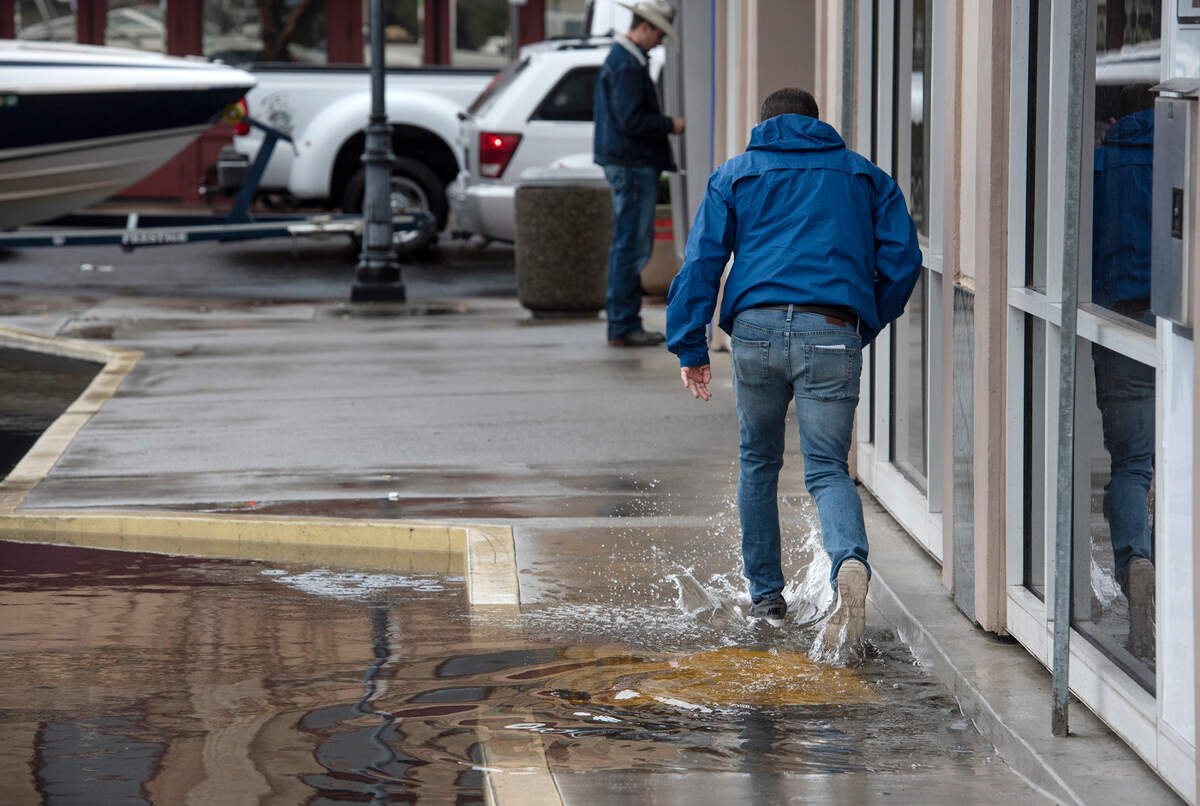
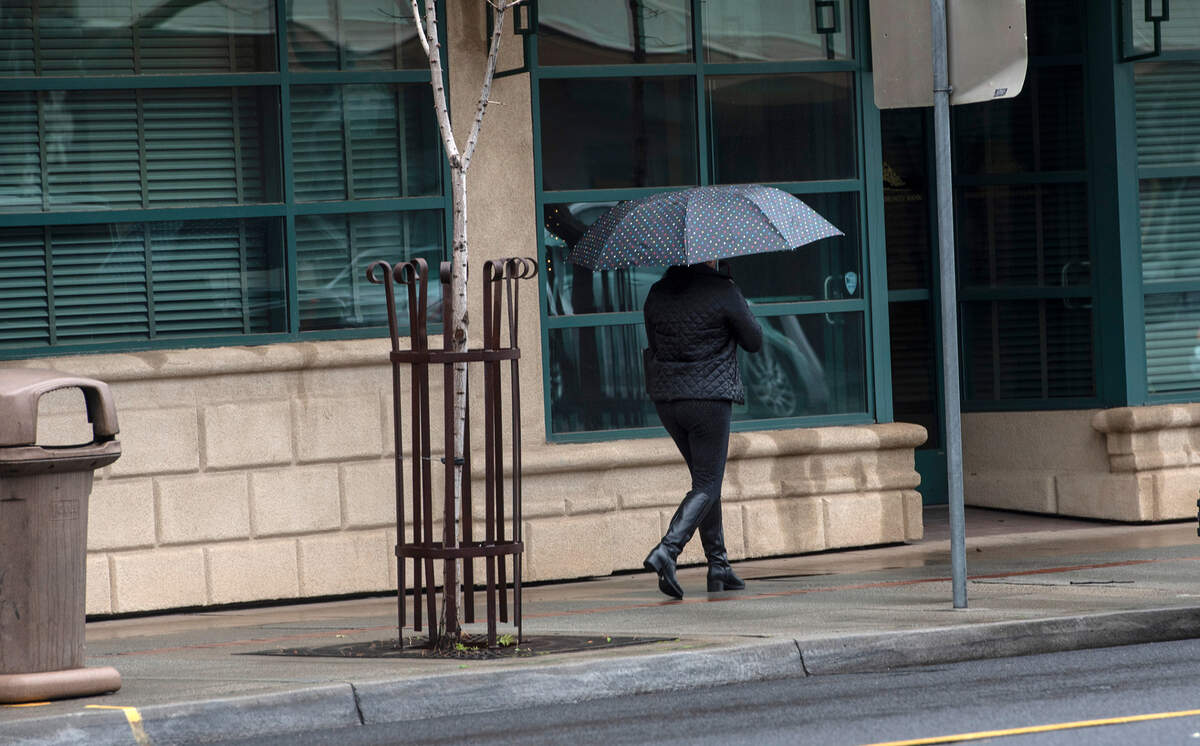
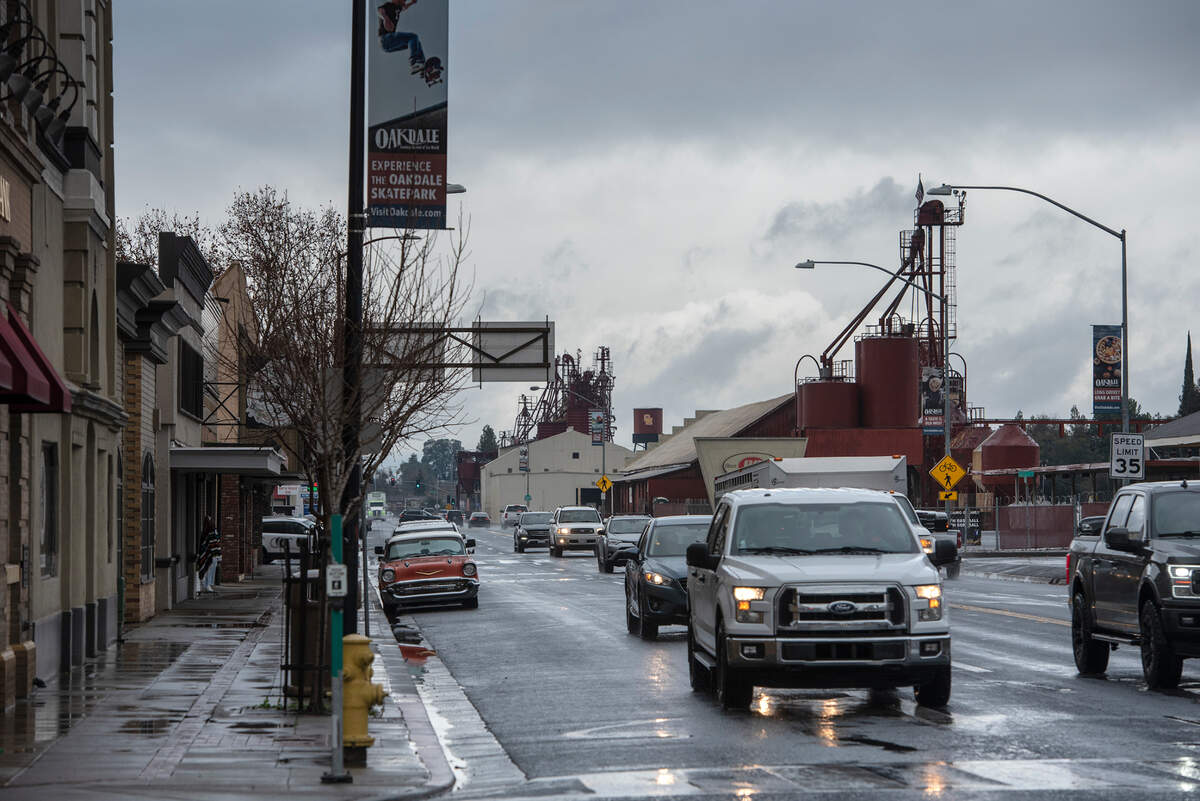
After a Sunday that was mostly dry, another storm moved in overnight. As of 3 p.m. Monday, the Modesto Irrigation District had measured nearly a half-inch of rain in downtown since midnight.
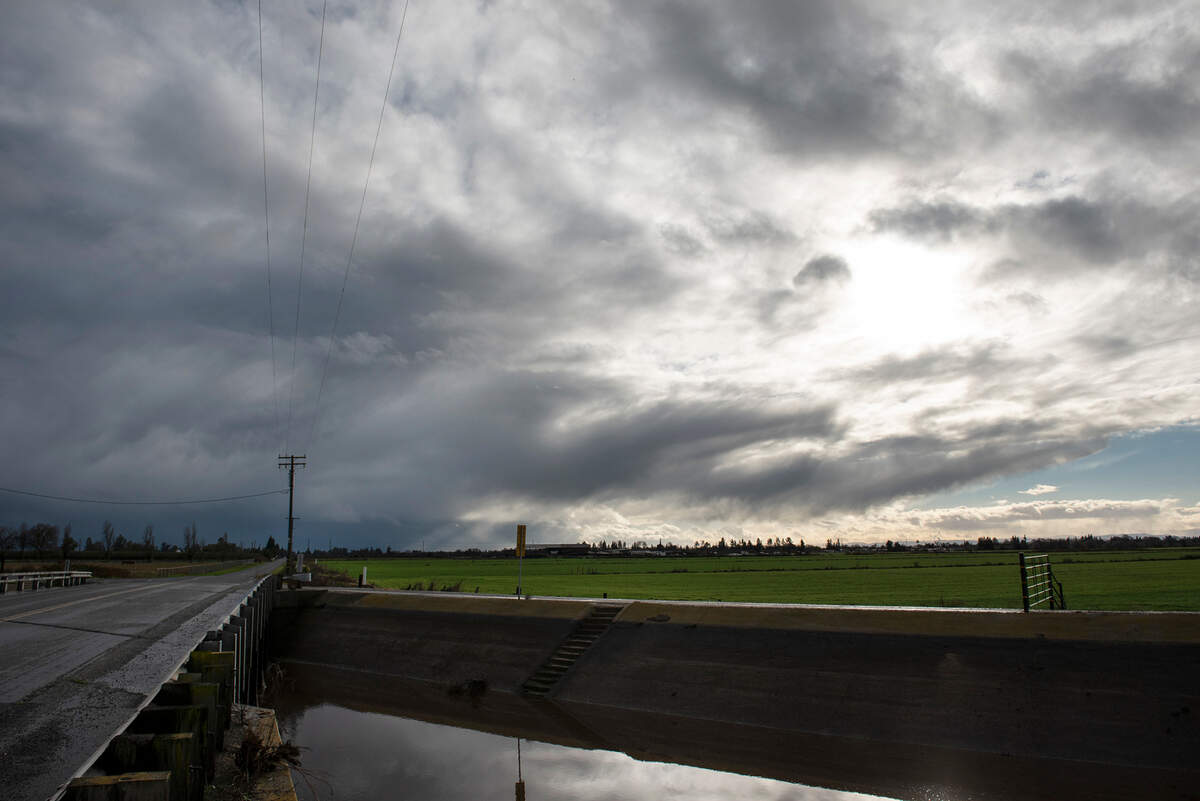
At about 1:40 p.m., a Modesto Bee reader in Newman reported seeing a possible funnel cloud. A National Weather service meterologist who saw video taken by Eudalia Guzman said it did look like a funnel cloud, and that’s not unusual during unsettled weather.
Forecasters said Monday’s rain would be followed by a clear, cold night. The freeze watch is in effect until 10 a.m. Tuesday.
Snow has been falling steadily in the foothills, with several reports of spinouts on the roads and scattered power outages over the weekend. A winter storm warning remained in effect through 9 p.m. Monday, with snowfall continuing through the week before clearing out Thursday.
The eastern edge of Stanislaus County could get a mix of snow and rain Tuesday night and Wednesday morning, the Weather Service said. The county rarely gets the white stuff, which will fall mainly above about 2,000 feet in Tuolumne County.
A power outage affected about 7,000 customers in Tuolumne as of noon Monday, Pacific Gas & Electric Co. reported. About half of the outages were in Twain Harte.
Chains were required to drive on State Route 108 from 6 miles east of Sonora to 4 miles east of Strawberry on Monday morning, per Caltrans. Sonora Pass is closed for the winter.
Modesto’s rain season total stands at 8.26 inches as of Monday. An average full year is 12.14 inches.
The snowpack in the central Sierra Nevada stood at 157% of average for Dec. 27, the California Department of Water Resources reported. It is the main source for MID and other agencies in the Northern San Joaquin Valley.
The snow is already at 52% for an average year, which is measured through April 1. The next three months are typically as important as December for storms.
This story was originally published December 27, 2021 at 8:04 AM.