Judge faults city of Modesto for destroying sewer inspection records
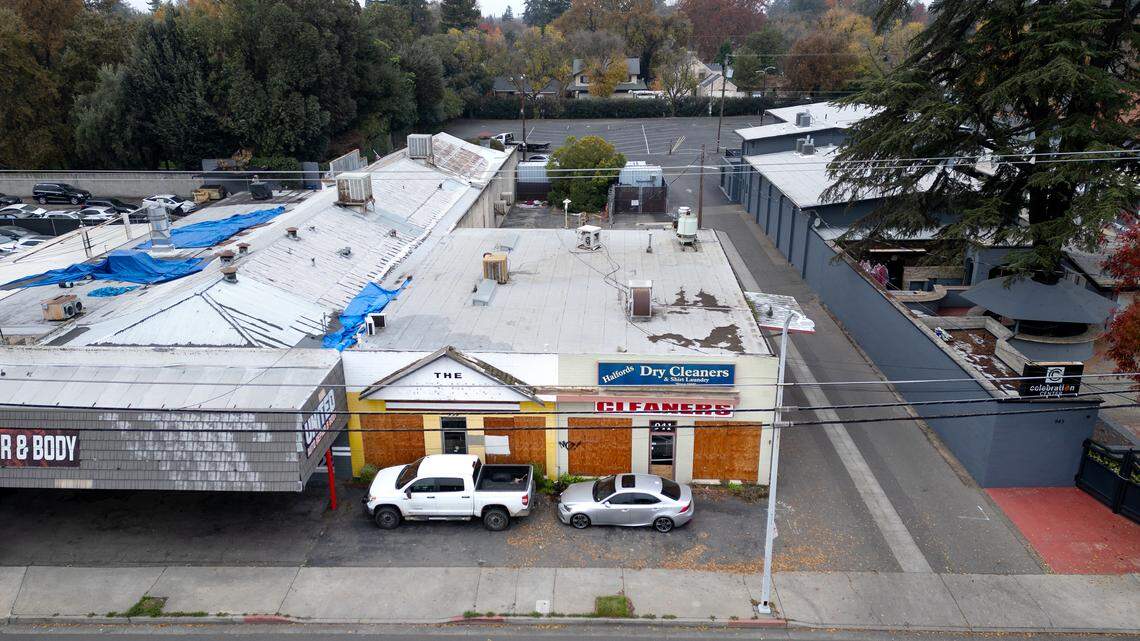
In a storage facility on Sutter Avenue, large binders held inspection reports that described cracks in the sewer line near Modesto dry cleaners, that is, until sometime after 2011, when the current wastewater superintendent said he dumped them.
The city of Modesto allegedly disposed of all but two inspection reports it created about its sewer system near dry cleaners in 1991. The two reports that “mysteriously” reappeared last year show the sewer lines had cracks that could have allowed a chemical classified as hazardous by the EPA to seep into groundwater, according to a sanctions order by the San Francisco Superior Court issued Aug. 1.
The city of Modesto said in a statement to the Modesto Bee, “The City of Modesto does not agree with the request for sanctions against the City. The City is preparing its opposition to the motion and expects to appeal any award.”
The records are part of a decades-long lawsuit against Dow Chemical and others for groundwater pollution tied to several Modesto dry cleaners.
The sanctions order issued by Judge Daniel A. Flores states the city “willfully” withheld reports that should have been disclosed back in 2000, in violation of the Discovery Act.
The complex case is ongoing and involves multiple appeals. The omitted reports will have an effect on cases the city brings against dry cleaners moving forward and will result in a financial penalty for the city.
The problem with PCE
In the late 1990s, the city sued Dow Chemical, PPG Industries, R.R. Street and several dry cleaners individually for their role in manufacturing, distributing and allegedly discharging a pollutant called tetrachloroethylene, or PCE, into the city’s groundwater.
PCE is a solvent developed by a French chemist in 1839. By the 1950s, it was standard practice for dry cleaners to use it to get oil and stubborn stains from clothing without damaging fabric.

PCE is known to cause damage to the central nervous system, liver and kidneys and is considered a probable cause of cancer. In 1985, a sample near Halfords Cleaners and Elwood’s Dry Cleaners on McHenry Avenue found PCE at over 270 times the safe drinking water standard. The area is now considered a superfund site. In 1992, the Regional Water Control Board studied how PCE was getting into municipal drinking water wells and determined that dry cleaners, through the sewer lines, were the probable source.
Though the city itself didn’t pour PCE into the sewer system, it was aware that it would be held responsible for contamination of the groundwater by the EPA and the state if faults in the sewer system allowed the chemical to leach into groundwater.
What happened to the documents?
The city reported it first learned of the contamination of groundwater by dry cleaners in 1991, a few years before it filed its lawsuit against Dow Chemical for producing the pollutant. At that time, the city tested 25 dry cleaners in Modesto and found at least 20 had contamination, according to court documents.
The city conducted inspections of the sewer system using a CCTV camera and would routinely create “Television Inspection Reports” about the state of the sewage lines. These are the reports that were thrown away.
Robert Englent, current wastewater collections systems superintendent, threw away at least five reports from 1991 after speaking with then-assistant city attorney Roland Stevens, according to a city lawyer.
“Mr. Stevens told Robert that since everything had already been produced to defendants, it was ok to get rid of these old CCTVs and Inspection Reports,” reads an email from Marty Refkin, an attorney for the city, presented as Exhibit 1 in Dow’s request for sanctions.
There was no evidence provided that the City Council approved the destruction of the records or that it received written consent of the city attorney in accordance with the California Public Records Act.
Stevens said in a sworn deposition he was unaware of the practice of putting a “litigation hold” on records involved in ongoing lawsuits, a practice that would have ensured the records weren’t disposed of regardless of the city’s recordkeeping practices.
Stevens responded in an email that he had no comment for this article.
The two reports that survived
The two reports show the city was aware of sewer-line cracks that the judge said would have allowed PCE to leach into groundwater.
Two faded one-page reports “inexplicably” appeared in 2024 as part of witness testimony, according to the sanctions order. Both reports showed Sunshine/Coit Carpet, then located at 1645 Princeton Ave., and Modesto Steam, with a location on Eighth Street, had a crack in the sewer line.
The report for Modesto Steam, now a vacant lot, included a note that one part of the sewer line was “shattered,” there was root intrusion and a “dip” where water could potentially pool, according to witness testimony.
These reports seem to contradict what a city lawyer stated in 2003– that cracks in the sewer line could be a way for PCE to enter the groundwater, but they “had no specific information that any dry cleaner discharge escaped from the sewer system and contaminated Modesto soil until a time shortly before this action was filed.”
Refkin’s email stated the city provided all evidence back in 2000 and 2003, but the defense hadn’t copied the files it needed. However, the judge noted the documents that showed up in 2024 didn’t have unique identifiers to link them to the case, and up until recently, there was no record of them in the city’s index of documents.
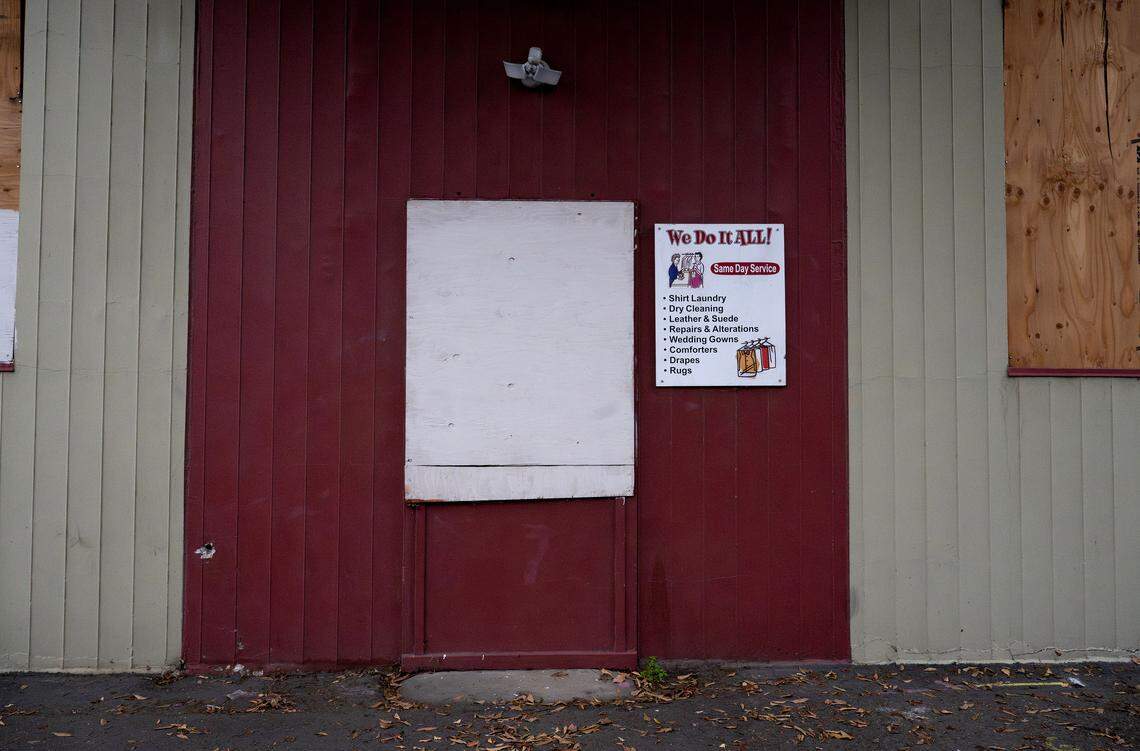
What happened to Halfords Cleaners inspection report?
In court documents, the city reported that it conducted a CCTV inspection of Halfords dry cleaners but told the EPA it didn’t create an inspection report.
“The court declines the City’s invitation to believe that at a time it was under state and federal scrutiny for the harmful release of PCE from dry cleaners, including Halfords, that it conducted a video inspection of the sewer at Halfords but did not document the inspection findings in writing.”
Within six months, according to court records, the city “sleeved” the sewer line at Halfords, meaning it placed a smaller pipe inside to prevent leaks caused by small cracks or root intrusion.
Stevens, then senior deputy city attorney, told the EPA that in 1992, the city couldn’t inspect the lines before sleeving because it was not given enough notice.
Modesto’s case against Halfords Cleaners was dismissed with prejudice in September 2025 after a settlement.
What’s happened since the sanctions order was issued?
Dow and PPG Industries argued that the recently discovered and missing documents affected the outcome of the cases for Vogue dry cleaners and Modesto Steam, but the court denied rehearing those cases.
In 2022, Modesto won a $4 million case for damages against Dow Chemical and PPG Industries and an additional $16 million in punitive damages against Dow, reduced from $56.3 million.
But this sanctions order means that the city will have to pay the defense for time spent prepping for depositions of city workers in the 2000s, pretrial in 2024 and 2025 for the ongoing Sunshine/Coit Carpet case, the research for the sanctions order request, as well as costs associated with the 2024 discovery of the inspection reports. The current request for fees is around $13.1 million.
In a sworn statement given to the court in October, Englent said that he reviewed the CCTV footage for Sunshine/Coit Carpet and that in his professional opinion, he would not have recommended PCE testing related to the crack in 1991, 2014 or in 2024.
But because it’s been so long since the reports were created, and one of the people responsible for the sewers at the time is dead, the judge stated it would be hard to re-create the knowledge more than 30 years after.
The latest case against Sunshine/Coit Carpet had a hearing Dec. 15.
The impact of PCE contamination to Modesto
One of the big issues with PCE is that contamination doesn’t go away quickly. Contamination that occurred decades ago can persist long after it’s released.
Over the years, the EPA has removed 750 pounds of PCE in the cleanup of the superfund site near Halfords dry cleaners on McHenry, and it still has issues with PCE in the air, according to its fourth five-year assessment in 2023.
Municipal Well 11, closest to the site, was finally abandoned in 1995 due to issues with uranium that exceeded safe drinking levels. It already had been shut down multiple times for PCE contamination.
One city well, between H and G streets, tested over the safe drinking water level for PCE within the last year, but the city has installed/implemented a system to treat contamination.
The court will provide new guidance to jurors moving forward following the sanctions. It will inform jurors that all CCTV inspections the court has in its possession showed defects that could have caused PCE to leak into the groundwater. Additionally, the court noted that of the five reports generated, only two are entered into evidence because the city “willfully” destroyed the records.
“The net effect of the City’s concealment and destruction of critical documents is tremendous,” the judge’s sanctions order reads. “The fact that two, out of at least five, inspection reports mysteriously surfaced decades later are no cure for the harm inflicted to Defendants.”
This story was originally published December 21, 2025 at 6:00 AM.