Closure of garbage-burning plant in Stanislaus County raises questions about waste disposal
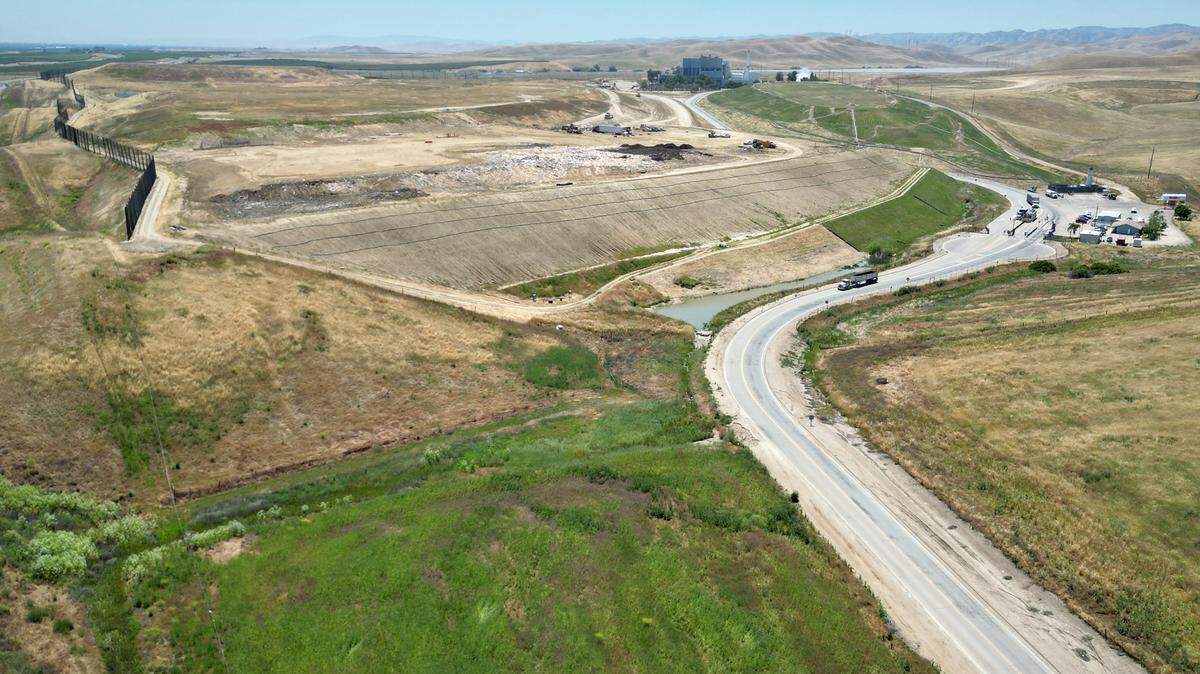
The closure of the Stanislaus County garbage burner will force changes in waste disposal for the county and its cities.
County and Modesto officials are in negotiations with Covanta (now Reworld) to cease operations in December at the waste-to-energy plant near Crows Landing, which has capacity to burn 800 tons per day to generate electricity.
A recent report said the Covanta incinerator has burned about half the waste collected from cities and the county’s unincorporated area, meaning the amount of trash received in the adjacent Fink Road Landfill could double after the incinerator closes.
Some are questioning whether garbage rates for Stanislaus County residents will increase. Other questions are: Who will pay for demolition of the incineration plant, which opened in 1987, and can the county’s conservative leadership get on board with the ongoing transition in waste disposal in California after 37 years of garbage burning.
County elected officials said they have few other options than returning to reliance on the 203-acre landfill for waste disposal, combined with recycling efforts that reduce the waste stream. In the past few years, residents in Modesto and the county unincorporated area were jolted by sharp increases in garbage rates to pay for a state-mandated conversion to a three-container system, which diverts plastics, cardboard, yard clippings and other materials to recycling or composting facilities.
Supervisor Vito Chiesa said Thursday he doesn’t know the county’s direction for waste management after the waste-to-energy plant ceases operation. “It’s a premature discussion until we have an agreement with (Reworld) and know where we are headed with that,” Chiesa said. “I would only be speculating.”
Chiesa said he believes the state will continually increase mandates for recycling and municipal waste reduction as California deals with climate change. “I think that is the way it is going to be. We have gone to a three-can system and you can see the things we’ve been doing to keep waste out of the landfill,” he said.
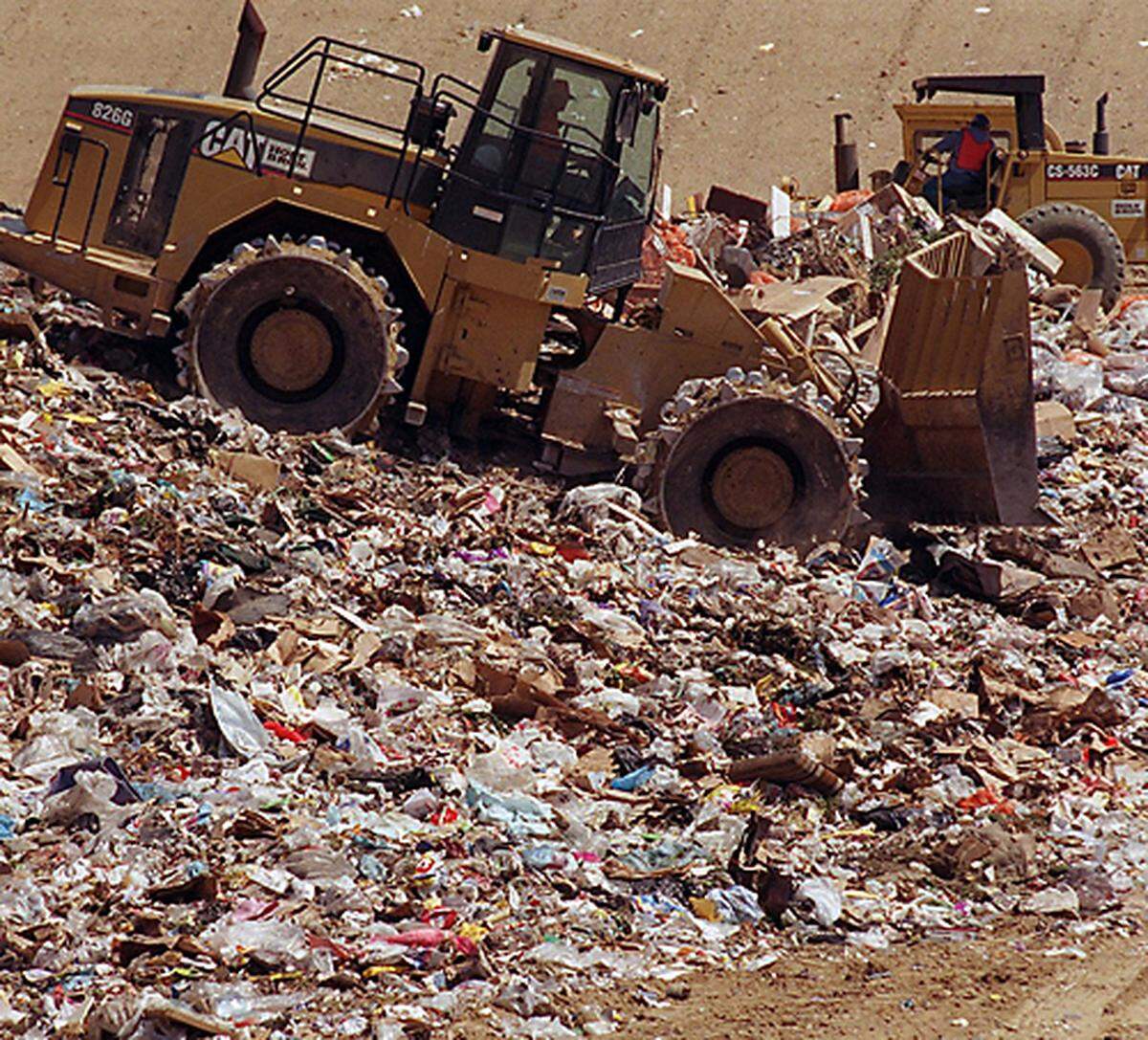
A county staff report in August said the environmental resources department is conducting an analysis of long-term financial sustainability of the Fink Road landfill after the incinerator is closed. The county’s cost of the change in landfill operations is not known at this time, the report said.
The Board of Supervisors on Aug. 13 approved a $2 million amendment to an agreement with Stearns, Conrad and Schmidt Consulting for environmental monitoring, testing and oversight of the landfill.
The California Legislature passed Senate Bill 1383 in 2016, requiring counties and cities to divert organic municipal wastes to composting programs. The goal is reducing organic wastes in landfills that create planet-warming methane gas.
The Covanta plant has struggled with the costs of complying with air quality and cap-and-trade requirements that were expected to exceed $23 million through 2027. Another blow was state legislation in 2022 that did away with a waste-diversion credit for communities that sent garbage to what were then the state’s only incinerators, in Crows Landing and Long Beach.
Zero-waste advocates want to be heard
A group that advocated for closing the garbage-burning plant due to toxic air emissions is urging the county to adopt plans for more recycling and waste reduction efforts to extend the life of Stanislaus County’s permitted landfill.
Bianca Lopez, co-founder of Valley Improvement Projects, said they have tried to get on the agendas of solid waste committees to present “zero waste” proposals for reducing the throwaways delivered to the landfill. But meetings have been canceled for lack of quorum. And agendas for committee meetings are hard to find.
Lopez has spoken during the public comment period before the Board of Supervisors. “We are not on the same page,” Lopez said. “They are not very good listeners.”
County officials are not disclosing much about the negotiations with Reworld and the future direction of garbage disposal.
Last week, The Modesto Bee sought a copy of communications to representatives on the Stanislaus County and Modesto Solid Waste-to-Energy Executive Committee, regarding early termination of the service agreement with Reworld. The item was under “Written Communications” on the committee’s Sept. 19 agenda.
Robert Kostlivy, county environmental resources director, responded by email that no written correspondence was given to the committee members. “We mentioned that we are in final stages of negotiations with Reworld and were expecting their contract with the county/city to conclude by December 2024,” Kostlivy’s email said. “The update was shared verbally, and no documents have been distributed.”
Kostlivy said the last day for waste processing at the plant is expected to be Dec. 31.
There’s no official estimate on how long the 203-acre landfill can accept solid waste before a time-consuming process of getting more landfill space permitted by the state.
Lopez said taxpayers should not have to pay for demolition of the incineration plant. She added that wastes have come from other counties to the Stanislaus garbage burner and landfill, and if those counties were charged higher fees, they might take it somewhere else.
In addition, the landfill will no longer receive ash from the incineration plant.
The county and its cities should explore more opportunities for reuse and refurbishing of discarded items, Lopez said. As an example, Modesto holds bulky item collection and pickup events, but the only stuff recycled is electronic equipment; the rest is crushed and taken to the landfill, Lopez said.
VIP has a Path to Zero Waste Plan with other recommendations:
- The group hopes to see a countywide ban on single-use plastic items including grocery bags and water bottles. Funding could be sought for school districts to stop using plastic utensils in cafeterias and return to washing reusable trays and utensils.
- Communities will need water stations for refilling reusable bottles for residents.
- Some counties have secondhand stores at landfills for salvaging items that can be refurbished and resold.
- Modesto has a mattress recycling service and more could be developed.
- Diversion and processing of construction and demolition debris.
- A surplus food recovery program.
- Drop-off centers for bottles and cans.
- Loan programs for starting recycling and remanufacturing businesses that create jobs.
This story was originally published October 10, 2024 at 5:00 PM.