Stanislaus County is closing its methadone program. Why patients are speaking out
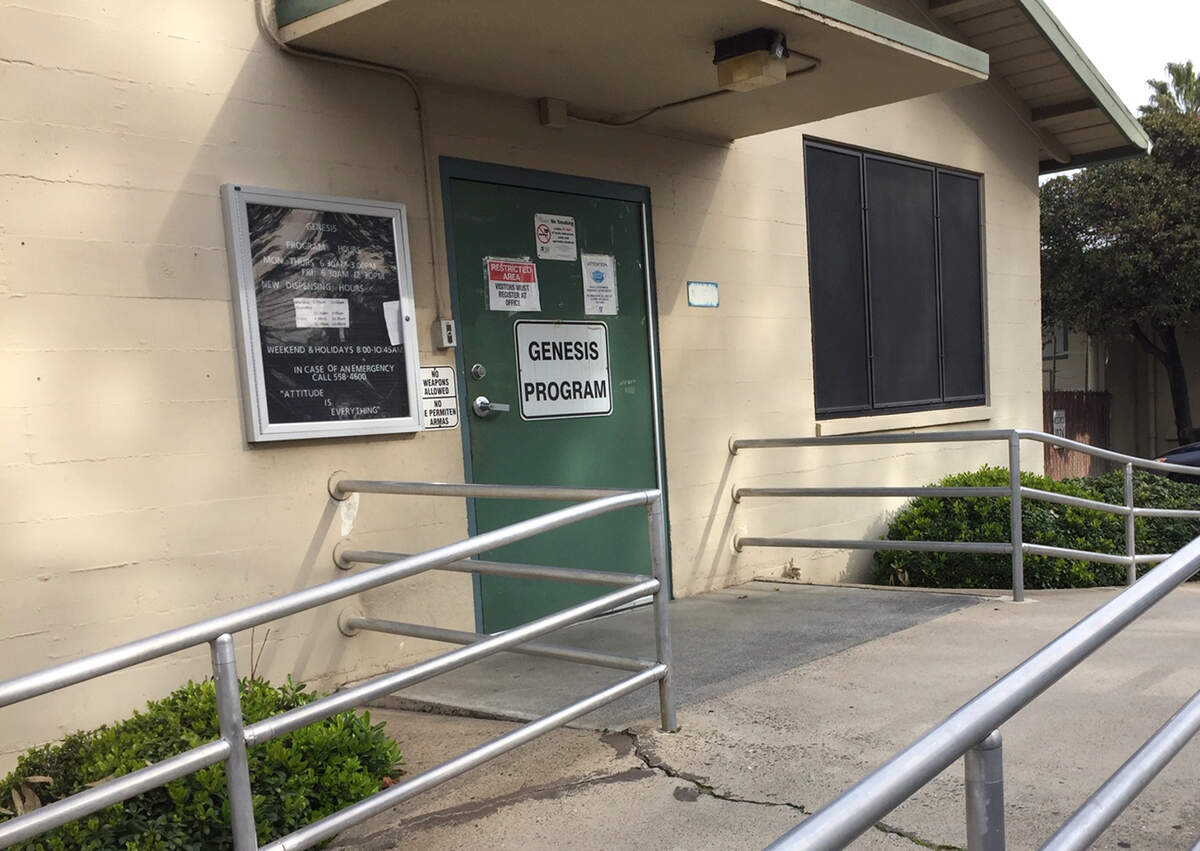
Clients of a narcotic treatment program and some physicians have reacted with dismay and anger over a Stanislaus County government decision to close the clinic at the former county hospital complex on Scenic Drive in Modesto.
Christen Maynard, who was homeless for more than 20 years, put it simply: “Without Genesis, I would be dead right now.”
Susan Kelly is another success story of Genesis Narcotic Treatment Program, which combines methadone treatment with counseling and the staff support to help people hooked on heroin and narcotic pain medications.
Kelly said she has stability in her life thanks to the Genesis program and has maintained the same home address and phone for eight years. She has a job and owns a car.
“This is a place where I can come any time when I’m in a crisis,” Kelly said.
Stanislaus County leaders voted Jan. 24 to close the Genesis program as part of a plan to repurpose buildings at the Scenic campus.
The methadone clinic is in a building that’s marked for demolition. The county plans to remodel the “Redwood Buildings” at the Scenic campus, housing offices of county Behavioral Health and Recovery Services, to create a one-stop shop for mental health services. The BHRS administrative offices will move offsite to leased office space.
County officials often are vocal about getting the drug-addicted homeless into treatment so fewer people are living on the streets.
Some question the logic of closing a drug treatment center that has 224 vulnerable clients. Genesis supporters also criticize county leaders for not getting input from individuals and groups trying to address the opioid epidemic and homelessness.
County officials counter that there’s capacity for transferring Genesis patients to the privately operated Aegis clinic on McHenry Avenue in Modesto.
“I think the county is shooting themselves in the foot,” said Jana Mooster, a resident physician whose training has included addiction services at Genesis.
Mooster said closing the Genesis program will put a strain on the community. “We have patients who did not do well at Aegis and will refuse to go there because they had a bad experience,” Mooster said. “We will end up with a higher burden in hospitals due to withdrawal and a higher burden on emergency responders and police.”
The for-profit Aegis clinics are owned by Pinnacle Treatment Centers of New Jersey. A spokesperson said the company has a one-person marketing staff and she didn’t have information on the Modesto-area Aegis clinics.
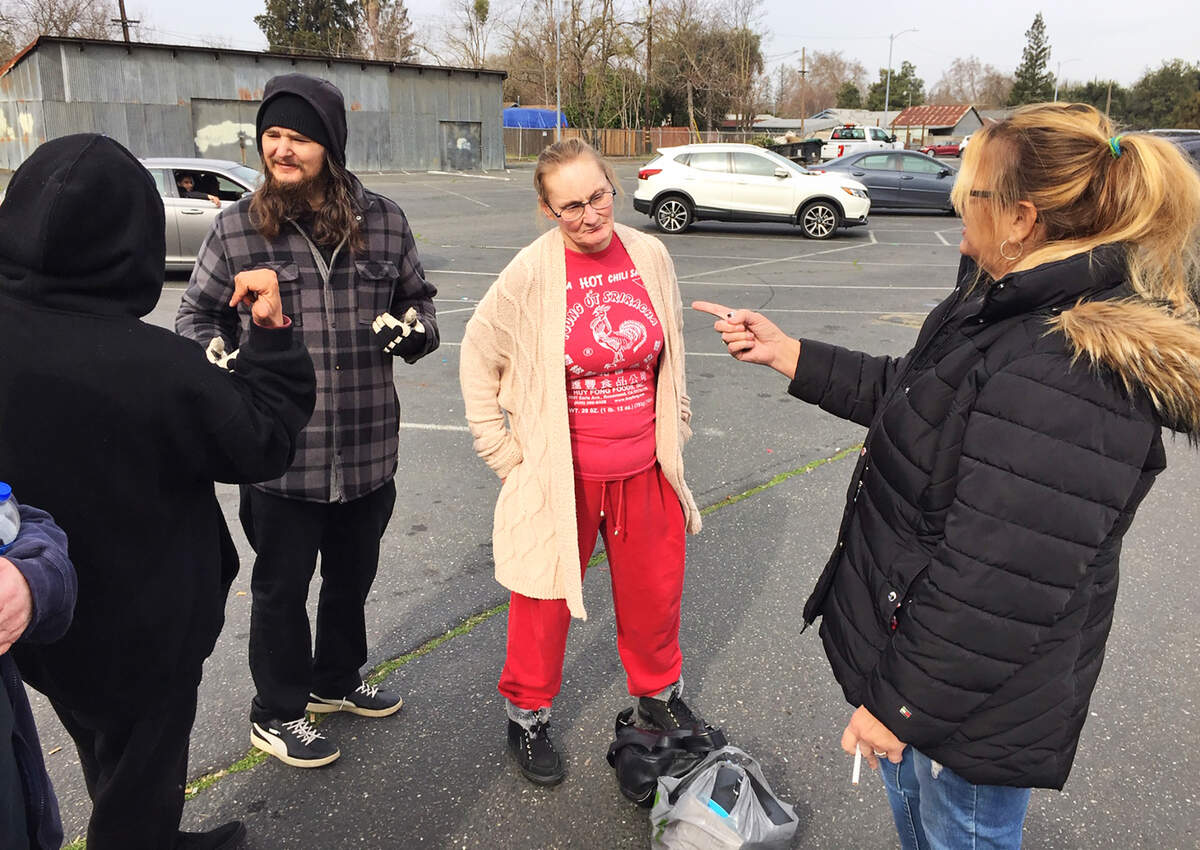
Several Genesis clients, standing outside the clinic Thursday, said they don’t want to leave the county program. Some described being treated like a number rather than a person by Aegis, and said counseling is often done over the phone rather than in person.
Some said that the McHenry clinic is on a major thoroughfare, making it easier for street dealers to offer drugs to arriving patients.
The clients said they get one-on-one counseling at Genesis from compassionate staff, some of whom have personal experience with addiction and understand their battles.
Kelly said a crisis in her life occurred when she lost a job because she was taking methadone to treat addiction. “I didn’t have anywhere to go to talk about it,” she said. “I was able to come here and get some help.”
Her road to recovery began when she was homeless and hospitalized with pneumonia. A county BHRS staff member visited her hospital room and asked if she was ready to start addiction treatment.
The 15 to 20 county employees working in the Genesis program will be reassigned to other duties in BHRS.
Mooster disagreed with a county supervisor’s recent statement that Genesis clients will get better service at the Aegis clinic.
“The (Genesis) staff are working their butts off for these people and the county program does it better than Aegis,” Mooster said. “I would invite the county officials to actually visit the clinic.”
Maynard said her story of recovery is a miracle after she was homeless from 2000 until she finally got into housing last year. She is tapering off methadone and counting on support from the Genesis clinic to stay clean without the medication.
“It gave me a life I never would have had,” Maynard said of the clinic. “A lot of people are going to be dying and a lot of people are going to be relapsing because of this.”
Impacts on the city
The county is responsible for providing substance use services under state laws, while city officials hear constant complaints about homeless camps and drug addicts in parks.
Modesto Councilman Nick Bavaro said Thursday that he’s going to talk with a county supervisor about the Genesis decision and get more information.
“We all know the county handles these kinds of programs and the city has nothing to do with it,” Bavaro said. “But the vast majority of the homeless (population) is in Modesto. The last thing I want to see is more homeless people on the streets.”
Bavaro said the homeless are broken people who struggle with addiction or mental health issues.
“We have to help these people the best we can,” Bavaro said. “Every day, including Sundays, I get calls on my phone expressing concern about the homeless and (asking) what am I going to do about it.”
County leaders are not backing off the decision to abandon Genesis.
Supervisor Vito Chiesa said the building will be torn down and the county has a good option to move Genesis patients to the Aegis clinic on McHenry.
“There are slots available at Aegis and it’s a convenient location,” Chiesa said. “There is no interruption of service today.”
He said Aegis soon will open a site in Turlock so people won’t have to travel to Modesto for the treatment service. “I am not too concerned right now,” Chiesa said. “If the demand increases, then we will have to look at it again.”
A look at the numbers
The closure of Genesis will shrink the capacity for methadone services to a total of 1,300 clients in Modesto and Ceres, down from a total of 1,560. Genesis has licensed capacity for 260 patients.
As of late December, Aegis was serving 834 clients at the Modesto clinic, which has a 1,000-person licensed capacity, and 230 of the 300 slots in Ceres were filled, while Genesis had 224 patients, according to a county staff report. When Genesis is closed, the Aegis center on McHenry Avenue will presumably have 164 available slots, not enough for transferring 224 patients from Genesis.
Distributing the Genesis clients between Aegis’ Modesto and Ceres clinics would leave only 12 available slots for other people seeking to break their addiction.
Aegis clinics are telling people the proposed Turlock site is a medication unit — not a clinic. Patients will pick up daily doses of methadone at the unit but will have to go to the Ceres clinic for weekly visits with a counselor and physician.
“A clinic usually has to ramp up counseling staff before it absorbs a large number of new patients,” said Lyn Raible, a former medical director for Aegis clinics in California and an outspoken critic of the county’s decision to close Genesis. “It’s not a simple matter of shifting people over to another program.”
The retired Modesto physician, who has been giving talks on the severity of the opioid crisis, said Aegis’ local capacity is hazy. That’s a sign the county didn’t seek input from experts or interested parties before cutting Genesis.
Raible said it took years for Aegis to get approval for a second methadone center in Stanislaus County, in addition to the McHenry Avenue clinic.
She said closing Genesis is a setback as opioid addiction ravages communities.
“This is really a poor decision made in a poor way that marginalizes people who are already struggling,” Raible said.
Mooster said she built rapport with clients who turned their lives around in the Genesis program and hopes to get fellowship training to work with people gripped by substance use disorder.
“I think they really appreciate being seen as worthwhile human beings and it’s in an environment like Genesis where they feel that way,” Mooster said. “It is really empowering for them.”