Tiny creature survives Australia drought with the help of a syringe, video shows
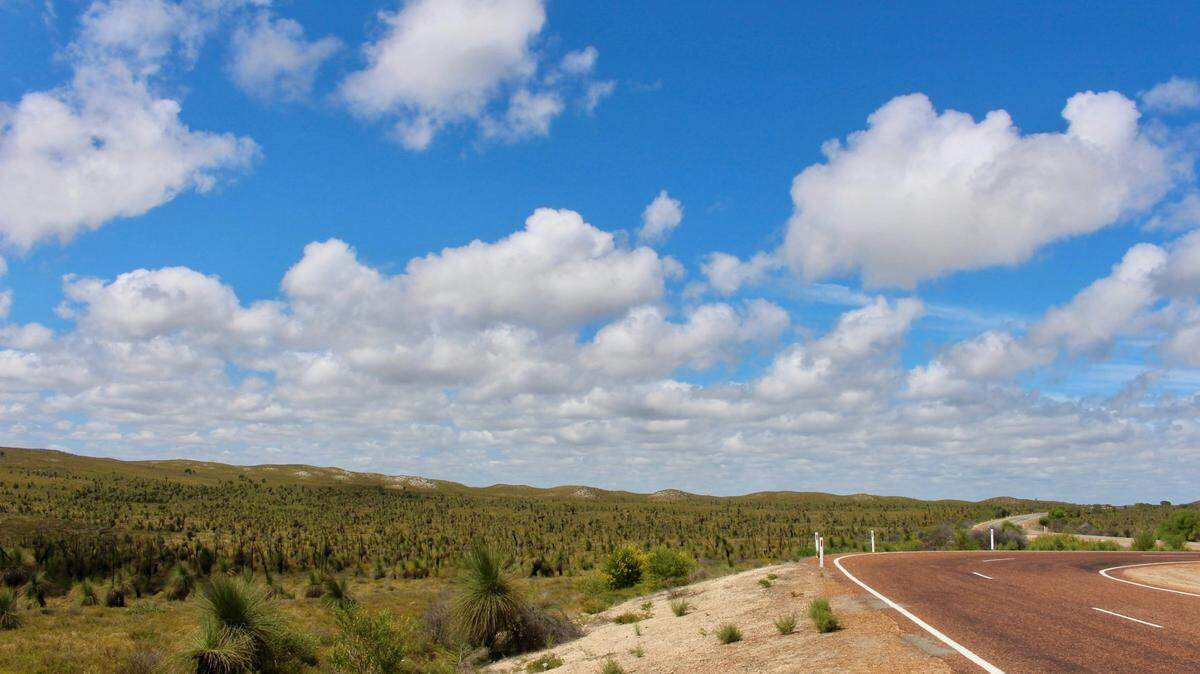
During the first half of this year, Western Australia went through one of the hottest and driest periods in history.
Temperatures reached 104 degrees Fahrenheit 13 times by April, even as the region passed the end of Australian summer, according to The University of Western Australia.
The scorching heat took its toll on the already arid landscape, and in February, researchers noted massive brown patches of dying plants, the university said. The last major drought in Australia over 2010 and 2011 led to nearly 20% of all trees and shrubs withering away.
With the dying plants comes danger for the animals that call the area home. Hoping to check in on the creatures, researchers with the Australian Wildlife Conservancy conducted surveys of Western Australia to document the animals still holding on.
On Dec. 29, the organization announced good news.
“We’re relieved to have detected the Noolbenger (honey possum) in a recent survey in Paruna, confirming the species’ persistence despite drought in Western Australia,” the organization said in a Facebook post.
Researchers caught the tiny marsupial and used a syringe to offer it sugar water, a quick alternative to their flower-nectar diet, according to the post.
“Is that enough?” one researcher asked the animal.
“Weighing no more than a couple of teaspoons of sugar, this tiny marsupial has a diet to match — consuming nearly its body weight in nectar and pollen every day,” the organization said. “The Noolbenger is the only marsupial to have evolved to depend almost entirely on flowers for food.”
This specialization is thanks to the plant life of Western Australia, considered the “second richest flora region on the planet,” researchers said. But when high temperatures and lack of rainfall kill off the plant diversity, the honey possum doesn’t have much of a backup plan.
The honey possum’s body is tailor-made for nectar slurping, armed with a long, pointed snout that allows their long tongue to reach deep into flowers, according to the university.
Its tongue can flick in and out rapidly, as many as three times every second, to get every last drop of liquid at the bottom of the petals, researchers said. The marsupials have the ability to temporarily hibernate to conserve energy when food is scarce, called torpor, but that isn’t a solution to long-term plant die-offs.
Honey possums are found in the state of Western Australia, in the country’s southwestern corner.
This story was originally published December 31, 2024 at 1:37 PM with the headline "Tiny creature survives Australia drought with the help of a syringe, video shows."