Transitional-kindergarten expansion strains Stanislaus County childcare providers
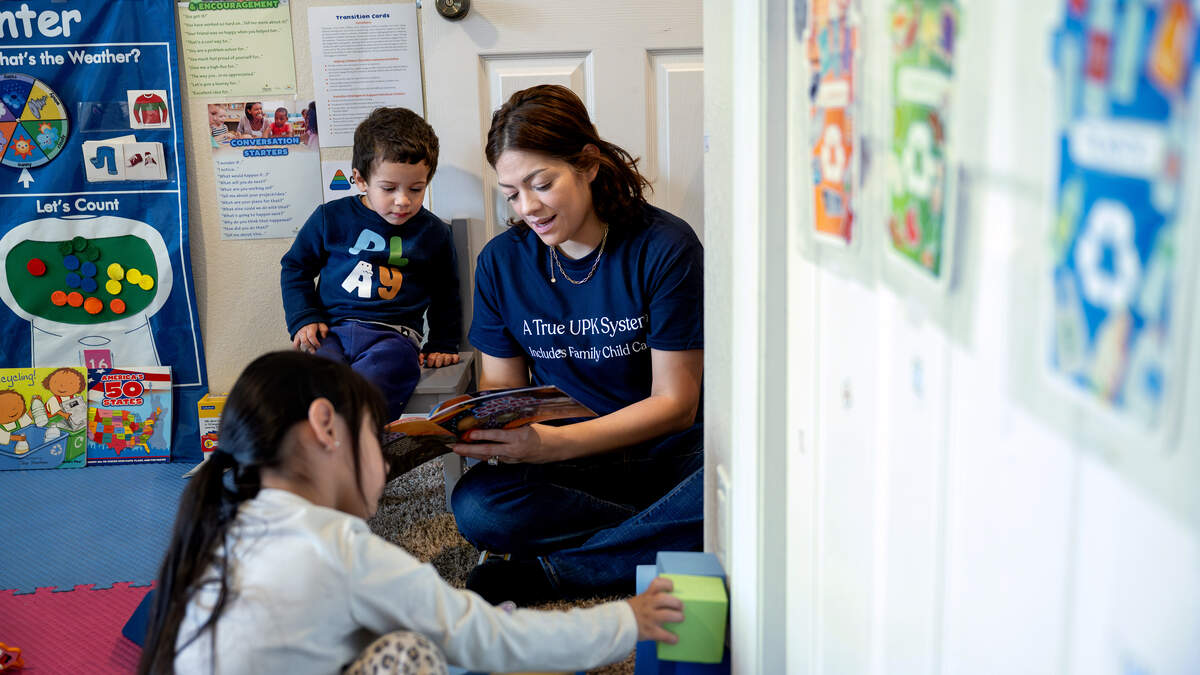
Stanislaus County has made it a priority to fill the childcare desert with provider jobs, allowing more parents to return to the workforce.
Between August 2023 and April, the county added 816 childcare provider slots through its partnership between the initiative Stanislaus 2030 and the nonprofit Nurture, which helps individuals start their own childcare businesses.
However, California’s expansion of universal transitional kindergarten to all 4-year-olds is starting to empty these new centers that were once scarce.
For over a decade, TK was available only for children who turned 5 in the fall. This school year, it was open for the first time to all children who turned 4 by September. Its transition from a half-day to a full-day program has saved families thousands of dollars, a big incentive for low-income working families grappling with rising costs.
In Stanislaus County, about 34% of eligible kids are enrolled in TK. Of the other eligible children, about 48% are in an early childhood education program setting, such as preschool, while the remainder are in their own home or in a home with family, a friend or neighbor.
For children under 4, preschool and childcare still remain options. But parents will have to consider costs and their schedules to see which option better fits their needs, while providers fight to sustain their business.
Childcare enrollment shrinking
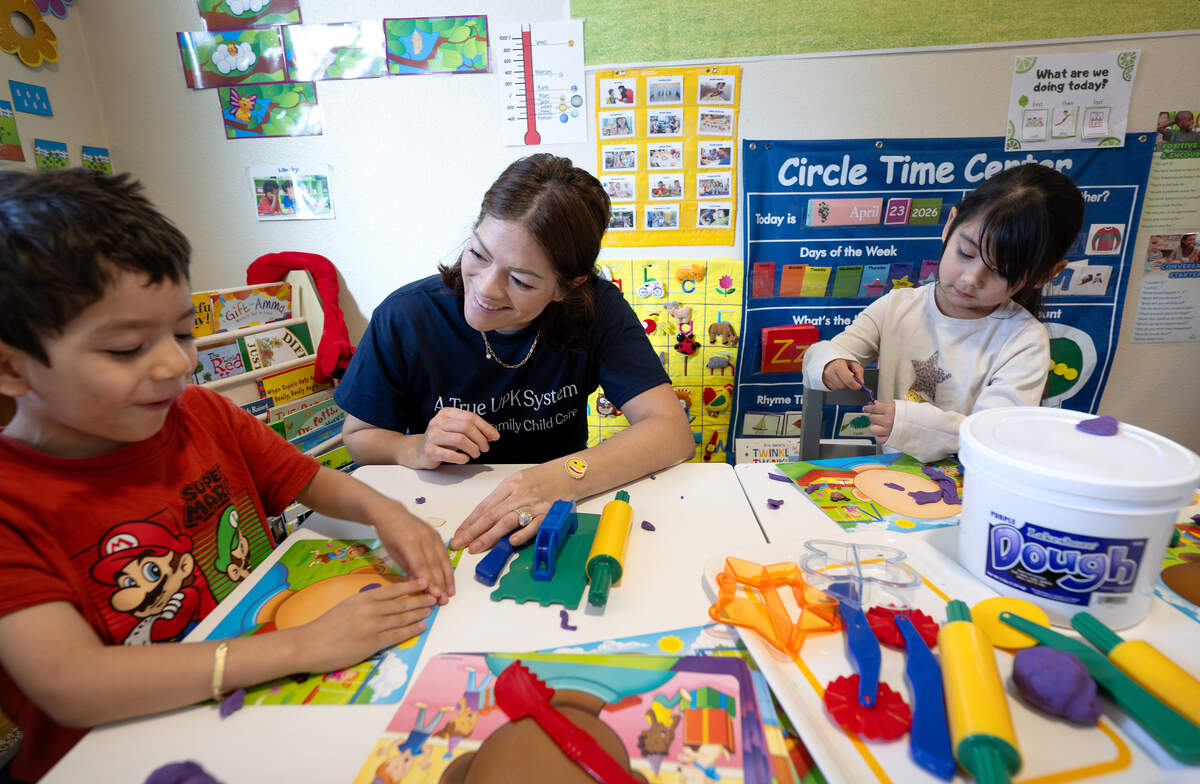
Judith Martinez, an in-home childcare provider in Ceres, started her business in 2023 after a decade of caring for children.
Martinez said she used to get many calls from families wanting to enroll their kids. When she was full, she’d refer them to her colleagues.
Now, months have passed without a single call. Meanwhile, the parents who do want to stay with Martinez don’t want to pay. “They want everything for free. They don’t want to put in a single dollar,” Martinez said in Spanish. “They don’t understand that we have to do many things for this job and that we have to charge a co-pay.”
She said some of her colleagues have been struggling to find families to care for and are starting to look for other jobs. Martinez herself has lost five kids to TK or Head Start programs.
Although it’s hard to compete with free, childcare providers still provide an irreplaceable need. They serve infants and are open during the summer. They also offer longer hours than preschool and TK, which can be ideal for parents who work evenings or early mornings.
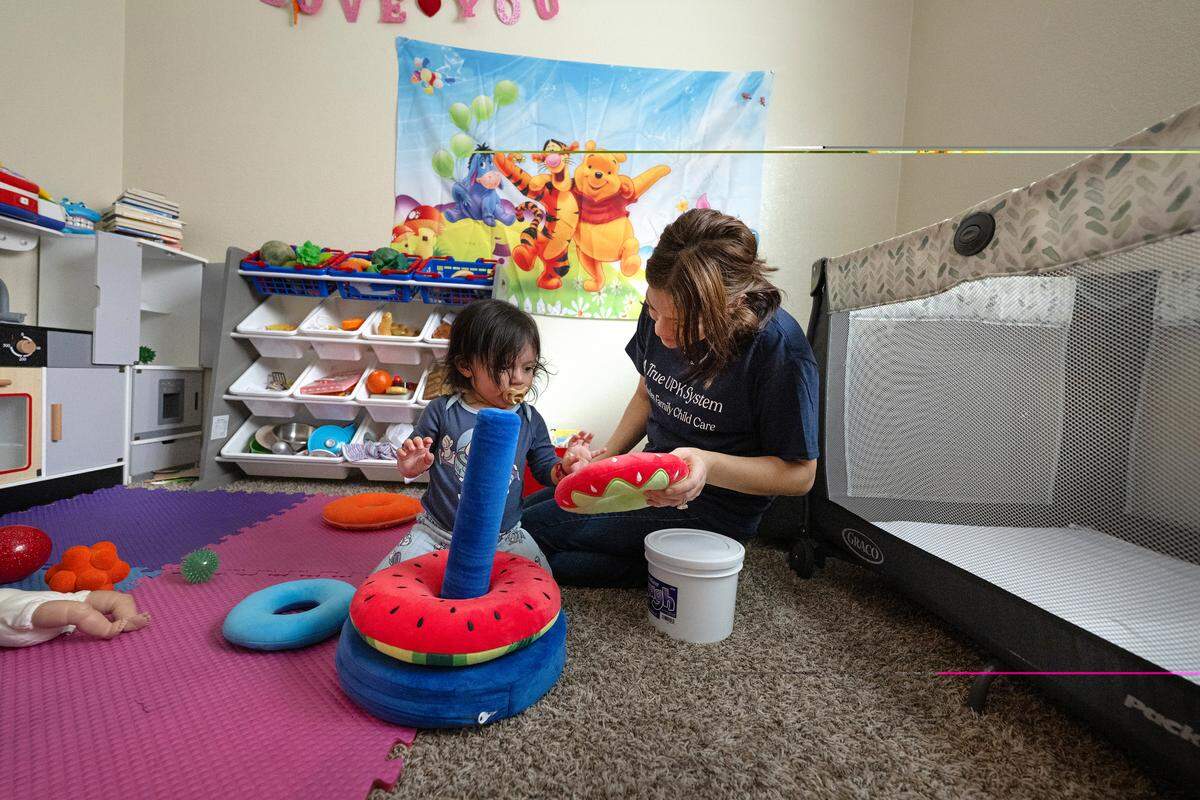
Adriana Segura started her childcare business in Patterson through Nurture in 2024.
After working in a dental office for 10 years, running a daycare piqued her interest after she became a mom during the pandemic. She opens her center at 4 a.m. every weekday and sometimes doesn’t stop working until 7 p.m.
Lately, parents have called her confused, believing their kids are required to attend TK, and they’d have to pull them out of childcare. She’s worried some parents don’t even question it.
A couple providers Segura has spoken to said they lost potential clients to TK after the families spoke with the Stanislaus County Office of Education. A few have closed their business as enrollment began to decline.
Segura became concerned that SCOE was encouraging parents to choose TK, though SCOE denies this. SCOE does not directly operate TK, but rather a variety of subsidized early childhood education programs.
“It would be counterintuitive to our success and against the priorities our funders expect and require of us,” said Tony Jordan, executive director of SCOE’s Child & Family Services Division. “In short, we would be cutting off our noses [to spite] our faces.”
Since SCOE directly contracts with providers, it said it is keen to their plight and advocates on their behalf.
“California’s TK expansion and the impact on enrollment in other [early childhood education] programs is a dilemma we have been voicing to federal and state ECE funding sources for several years including the impact and implications for [family child care home] providers,” said Jordan.
Since the beginning of this school year, SCOE has made 894 referrals to family childcare home providers.
SCOE also helps providers sustain their businesses through marketing tools and various programs such as the California Alternative Payment Program, which helps families make payments through vouchers directly to childcare providers.
Providers also have been invited — and provided a stipend — to attend SCOE universal pre-kindergarten meetings, though attendance has not been strong, Jordan said.
Segura started attending these meetings because she feels childcare providers are being left out of the conversation. She said a lot was poured into kickstarting childcare businesses, through the Stanislaus 2030 initiative, but not a lot of support sustained afterward.
“Are we just part-time care instead of a business? Are we the fallback of the educational system? It shouldn’t be like that,” Segura said.
Younger preschoolers
Any child in California who turns 3 before or on Dec. 1 can start preschool.
Carolina Sutherland, a preschool site supervisor in Hughson, said she’s been seeing an increase in younger enrollment as more parents enroll their kids in TK.
This means preschools have to start readjusting their environments to meet the needs of toddlers coming in, such as the teacher-student ratio.

Preschool and TK are two different environments, Sutherland said. Preschool is more hands on and focused on developing social and emotional skills, while TK is more academic.
However, if parents already have a child enrolled in an elementary school, it makes more sense for them to enroll their other TK-eligible child there, too, to save on transportation, she said.
Sutherland said she’s noticed more students being enrolled in speech pathology, a possible byproduct of the pandemic.
Leticia Gutierrez, a preschool teacher in Hughson, said two of the kids in her preschool are nonverbal. Some are not potty-trained.
Although she has infant and toddler training, she doesn’t feel like they have enough resources or support to handle the younger age group.
Gutierrez said parents might not be considering if their kids are ready for school, particularly the pandemic generation who fell behind.
“When they go to second, third grade, they kind of find out how behind they are,” Gutierrez said.
A parent of five, she quit her job when she had her last child to stay at home. She empathizes with parents who feel the need to enroll their children into programs so that they can return to work. Economic pressures and rising costs might be forcing parents to choose what lets them work, versus what is better for their kids developmentally.
“Everything is so expensive right now, so it’s affecting everybody,” Gutierrez said.
Sutherland said she wants the state to actually listen to the concerns of childcare providers and preschool teachers. Pay for preschool teachers is also a factor, as some sites have started to lose teachers to TK due to their higher wages.
She added that it’s important for parents to stay informed about their options, having also encountered parents that think TK is mandatory.
“Educating parents on their choices for childcare is very, very important,” said Sutherland. “Give them all the information and let them decide what environment best meets their needs and the child’s needs.”
This story was originally published April 28, 2026 at 11:18 AM.