Winter brings preventable home fire dangers, Modesto firefighters warn
As overnight temperatures drop across the Central Valley, Modesto firefighters are urging residents to take simple steps now to “fireproof” their homes for the winter. It’s a season when crews see predictable and preventable emergencies in living rooms, kitchens and garages.
Cooking remains the top cause of home fires in any season, but winter adds a second layer of risk: heaters, fireplaces, chimneys and space heaters that haven’t been used since last year. Those calls consistently increase as soon as the weather turns cold, said Capt. Joe Spani of the Modesto Fire Department.
“Cooking fires are our number one cause of home fires year-round,” Spani said. “In the winter we see an increase in heating-related events — fireplaces, chimneys and space heaters.”
When kitchens are the biggest hazard
Firefighters respond to more kitchen fires than any other type of home fire, Spani said, often because of unattended cooking or grease flare-ups during holiday gatherings.
“If you have a grease fire, don’t add water to it,” he said. “Cover it or use baking soda.”
Water causes the oil to splatter and spread the flames, often turning a small stovetop incident into a full kitchen fire.
Space heaters: 3 feet of clearance, no exceptions
Modesto firefighters also see a spike in space-heater calls each winter — many of them involving power strips or heaters placed too close to bedding or furniture.
“They need to be three feet away from anything that’s combustible,” Spani said. “And plug them directly into the wall — no extension cords, no power strips.”
Space heaters draw significant electricity, and indoor extension cords can overheat quickly. The department also warns residents not to run space heaters while sleeping or when no one is home.
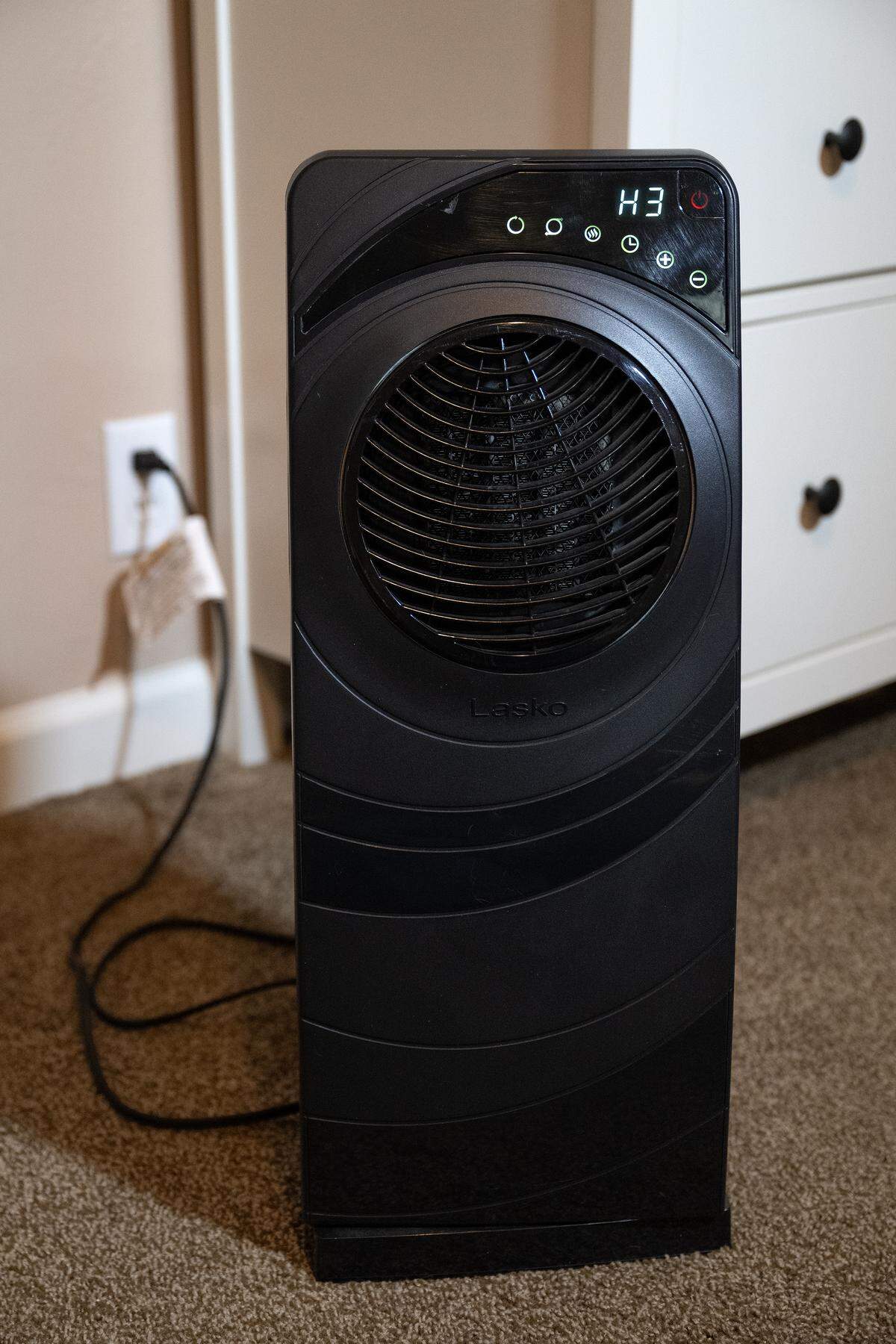
Why the heater smells like smoke the first cold night
The first night residents turn on their furnace often results in 911 calls, Spani said, because dust, lint and spider webs burn off the unit and produce a faint smell of smoke.
“It’s perfectly normal to have some smell of smoke the first time you use your heater,” he said. “But if there’s any doubt, call 911.”
Holiday lights and overloaded outlets
During the holidays, firefighters also respond to overloaded outlets or unsafe strings of older lights.
“Read the instructions on the lights — the labels tell you how many strings you can safely connect,” Spani said. Newer LED lights are safer, but daisy-chaining too many strands still can overload a circuit.
Fireplaces and chimneys: Inspect before the first fire
Chimney and fireplace issues are among the most dangerous cold-weather calls Modesto Fire responds to — especially in older homes or rural pockets where wood-burning stoves are common.
“Before you use your fireplace the first time of the year, make sure it’s cleaned and inspected,” Spani said. Find help by searching online using terms like “chimney inspection” and “chimney sweep.”
Creosote, a flammable byproduct of wood burning, builds up along chimney walls. If not removed, it can ignite inside the flue or spread into attics through cracks.
“Cracks inside a chimney can let fire get into your attic,” he said. “We see fires extend that way.”
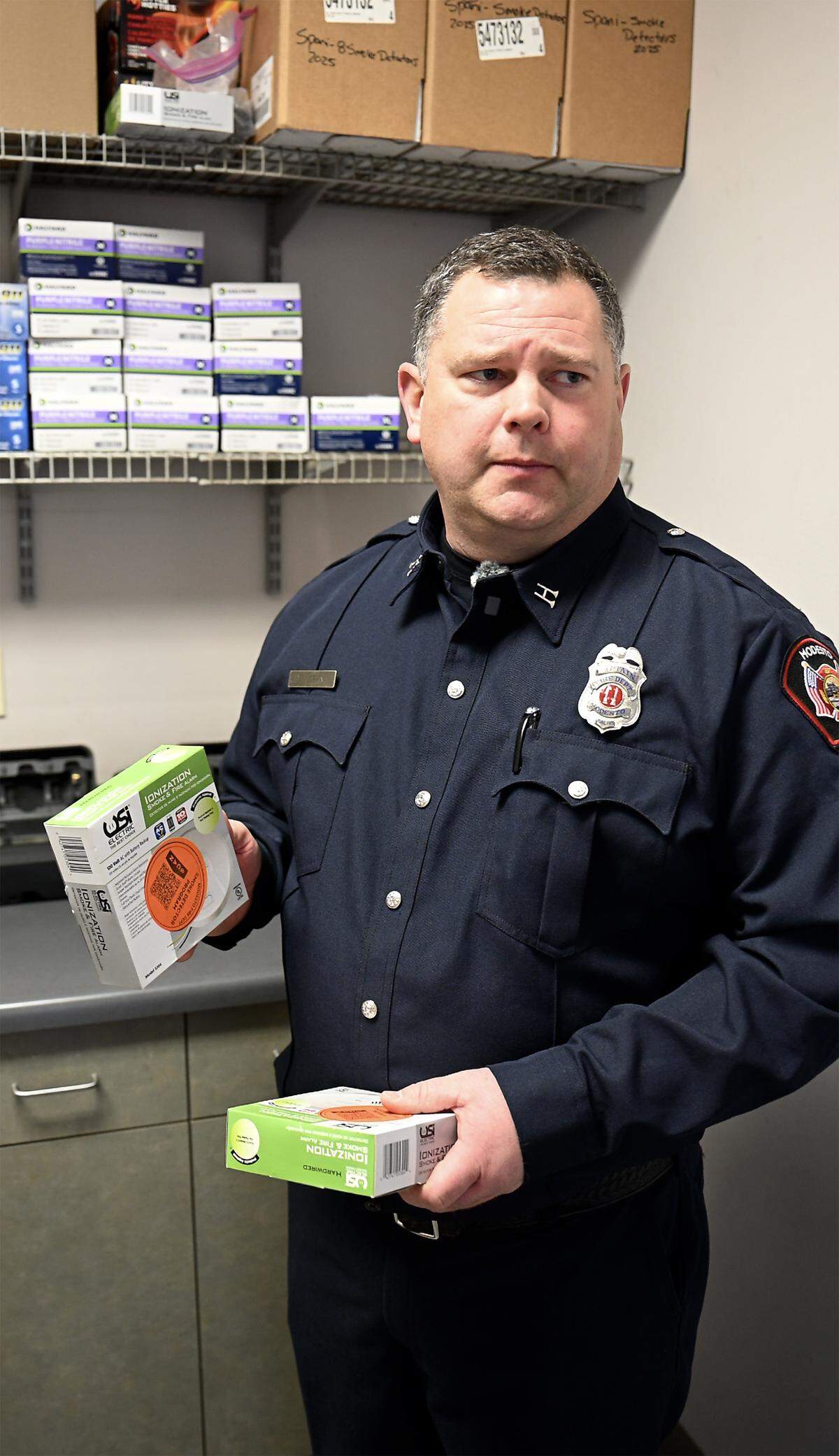
Smoke alarms: the “early alert system” too many homes lack
One of firefighters’ biggest concerns is the number of homes without working smoke alarms. “Smoke alarms are extremely important — they’re the early alert system, especially at night,” Spani said.
He recommends:
- Alarms in or just outside every sleeping area
- Another in the living area
- Testing every month
- Replacing batteries every six months
- Replacing the entire alarm every seven to 10 years
Modesto Fire operates a free smoke detector installation program in partnership with the American Red Cross.
Residents can call 209-572-9590 to schedule a visit from firefighters who will install new alarms and walk homeowners through safety checks.
Where to store propane, firewood and gas
Improperly stored propane tanks and gasoline cans can worsen a fire or accelerate it dangerously.
“Keep them out of your house,” Spani said. “If you don’t have a shed, keep them at least 10 feet from your home.”
He also advises against keeping them in garages, where a water heater’s open flame can ignite vapors.
Lithium-ion batteries: a new year-round hazard
A growing source of residential fires involves lithium-ion batteries — found in e-bikes, scooters, power tools and toys.
“Only charge them when you’re home, and unplug them as soon as they’re fully charged,” Spani said.
“Never use extension cords or power strips for those chargers,” he added.
Capt. Spani’s top piece of advice
Given all the winter hazards, Spani said one crucial check stands above the rest.
“The biggest winter safety advice I can give is: check your smoke detectors, replace the batteries, and make sure everything’s working.”
This story was originally published December 5, 2025 at 6:00 AM.