
This unexpected gem for bird watchers offers uncommon, even rare, sightings in Stanislaus
When people think of bird-watching, they likely envision parks, beaches and wildlife refuges. But wastewater treatment plants, not so much.
The city of Modesto’s secondary wastewater treatment plant, at 7007 Jennings Road, not only provides agricultural irrigation to the region but also offers a unique birding experience.
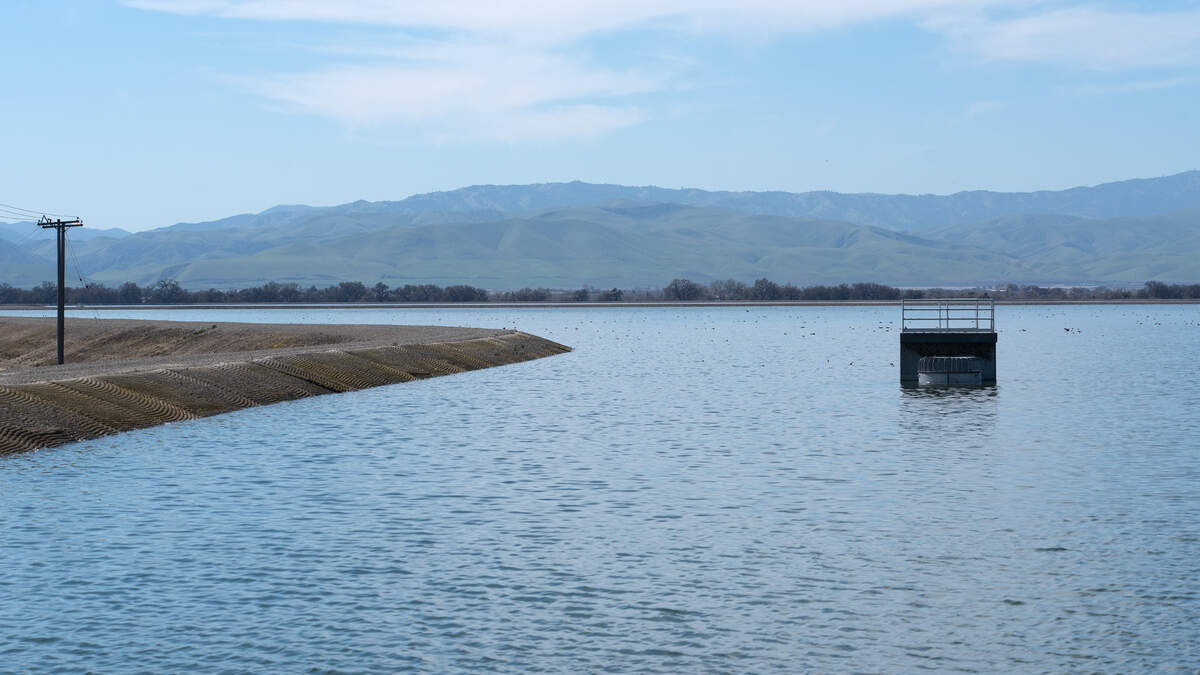
Tucked off Jennings Road about 14 miles west of Turlock, the plant takes in thousands of acres. Past some administrative buildings sit large ponds of treated water spanning a combined mile wide.
Besides the more common inhabitants of the ponds for most of the year, the fall and winter migrations lead to uncommon, even rare bird sightings. There are records of surf scoters, Eurasian wigeons, Arctic terns, tufted ducks and so many more using the ponds for wintering.
“You can see thousands of one species of duck,” said Salvatore Salerno, president of the Stanislaus Audubon Society. “There’s a bird called northern shoveler that winters there by the thousands. Modestans don’t generally see that.”
Besides the green-headed, white-bodied duck with rust-colored undersides, the Jennings Wastewater Treatment Plant is home — or a stopover site during migration — to many shorebird and waterfowl species.
“There is a spring migration, a fall migration, and a wintering habitat for waterfowl — the different ducks and geese, and many species of shorebirds,” Salerno said. “They stop at the facility during migration, feed up and stage up, and then keep going in the winter down south.”
Many of the birds are believed to feed on invertebrates and insects in and around the ponds. Some shorebirds feed on nearby agriculture, especially corn.
The plant is open for birding from 8 a.m. to 3 p.m. on the second and fourth Sundays and the second Saturday of each month. The remaining dates for this year are Oct. 12-13 and 27; Nov. 9-10 and 24; and Dec. 8, 14 and 22.
Interested birders must make an appointment at least five days in advance by emailing birdwatching@modestogov.com.
“Our staff receives requests from folks interested in birding, ensures they have signed waivers to get permission to come on site and then schedules a time for our treatment plant operators to allow them into the facility,” said Ben Koehler, chief plant operator. “Once in the facility, they are provided with a map of areas permitted for birding and areas off-limits.”
The facility’s designated areas for birders are different from those at other Stanislaus birding sites like Modesto Reservoir Regional Park, San Joaquin River National Wildlife Refuge or Dos Rios State Park. Salerno said the Jennings Wastewater Plant lacks the environment that would provide natural shade or cover from being spotted by birds.
“I would advise people to go in September, October, and then the deep winter if they can take the cold,” he said.
Since there aren’t many trees or bushes to hide behind, many birds are seen from a distance. “It’s like looking out over a large reservoir; you can only stand at the edge,” said Salerno. “You’re seeing birds at a distance, so you have to use the right optics.”
“It always pays to study the birds of the county before you go into the county to bird it,” said Salerno. “Don’t just say, ‘Oh, I’m just going to go out there and see what I can see.’”
The Stanislaus Audubon Society’s website provides lists of birds found in Stanislaus County and additional information about birding in the area.
“Prepare yourself,” he said. “It’s just a better experience.”
This story was originally published September 30, 2024 at 12:00 PM.