Struck by unexpected death of loved one? What you need to know about the funeral process
When you’re grieving, and perhaps especially when a death was unexpected, it may be impossible to process everything funeral directors, coroner’s staff and hospital workers tell you.
Here are some things a funeral planning expert said you should be aware of within the first three days of the death to make the planning process easier.
Legally, a death certificate needs to be filed within eight days of your loved one’s passing, Kristi Ah You former Stanislaus County chief deputy coroner and current managing partner at Franklin and Downs Funeral Home, told The Bee.
Ideally, funeral plans should be made within the first few days to arrange major things such as transportation and viewing.
Day of death
Most people don’t expect to be bombarded with questions and rules the day they lose their loved ones, but it’s inevitable, Ah You said.
If your loved one dies in a hospital, staff is required to check the person’s eligibility as a donor. “I wish that people at the hospital would say, ‘Please expect a call from the Donor Network,’” Ah You said.
The network will need to ask personal questions to determine if the person is a candidate for donation of internal organs or tissue, bone, corneas, heart valves and more.
You will not be able to visit your loved in the county coroner’s office. You must arrange to have the body transferred to a funeral home.
You should wait to deal with this until after Day 2, Ah You said, unless your family has a funeral home in mind. There are fees attached to this process, so Ah You recommends you wait to figure these things out after you allow yourself to rest on Day 1.
“Many people don’t want to view because of an experience they had when they were a child,” Ah You said. She believes it’s an extremely important part of the grieving process.
“Our minds want to believe that our loved one is actually on vacation. (We tell ourselves,) ‘It didn’t really happen.’ ‘They must have the wrong person.’ Your mind can’t do that to you if you see your person,” she said.
Day 1
Ah You said this is the day to: breathe, eat, sleep, cry, call loved ones and choose a point person to make plans with a funeral director.
Do not try to get everything figured out on Day 1, she said. There is a high chance you won’t be able to absorb all of the necessary information being thrown your way.
“Any funeral director that has any sense about them is going to recommend that people go get sleep before they make these decisions,” Ah You said.
Legally, a point person would be your loved one’s parent, spouse or any children over 18 years old. Determining a point person is important in situations where the deceased has multiple adult children who want to make arrangements.
Day 2
Listen to voicemails. Return phone calls from the hospital or coroner’s office.
Assess your situation. Ask yourself: What are the things you expect to happen? What don’t you know how to do?
If families are having a hard time paying for funeral services, the coroner’s office can guide them, Stanislaus County Coroner Division Sgt. Jesus Sigala said.
“If the deceased does not have sufficient funds for burial, the next of kin may apply for a county indigent disposition. Please contact the Coroner’s Office for an indigent disposition application. In these circumstances, proof of indigence is required,” according to the coroner’s page on commonly asked questions.
Start researching funeral homes and cemeteries on your own. When you start to consider specific businesses, check that they are in good standing with the Cemetery and Funeral Bureau.
In 2013, a funeral home in Modesto lost its right to cremate and bury bodies because it violated bureau standards.
Ah You highly recommends looking at both good and bad reviews for funeral homes online. See if the homes are responding to their bad reviews, she said. Check that the reviews are specific. They may note issues such as lack of parking, handicap accessability and inadequate bathroom facilities, she said.
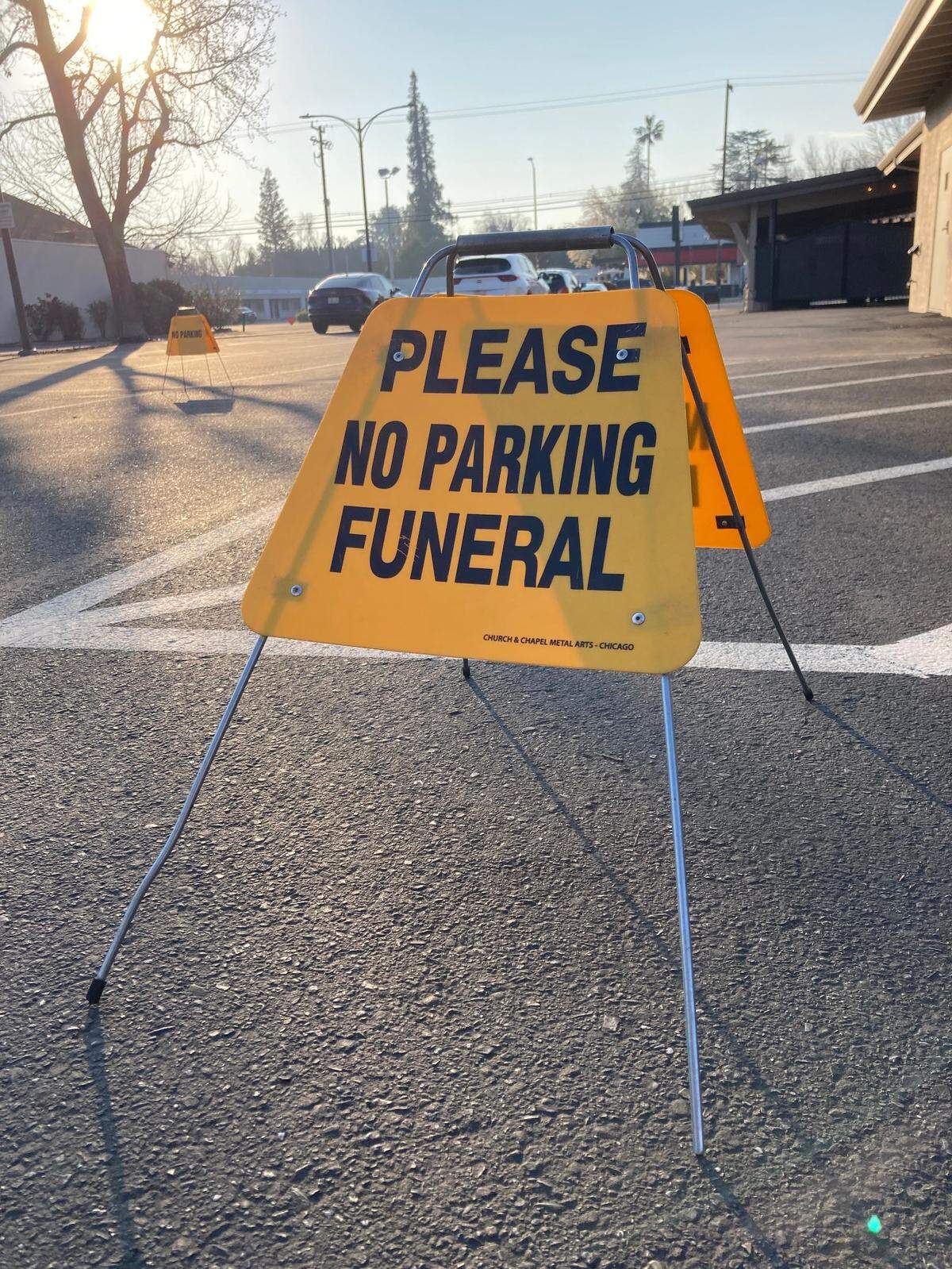
Visit the facilities you find online. Compare photos to the actual location and meet the staff.
Stay away from funeral home staff who speak to you as if they’re taking meal orders, Ah You said. “And do you want an urn with that?” is not something you’d want to hear during these stressful times.
Finally, find a funeral director you feel comfortable sharing your family’s entire situation with, and someone you’re comfortable around in general.
“Whatever funeral home you go to, you need to trust them. You need to be able to share certain aspects of what’s going on in your life. And you need to know that the information that you share is held in the highest confidence,” Ah You said.
Here are some questions to ask yourself during the first day after losing your loved one:
- Will we need to fundraise or gather donations? Do we use GoFundMe or should I tell friends and family to send donations directly to the funeral home? Ah You said some funeral homes will work with you to gather donations for a service and directly apply them to the bill.
- Who are the people involved, or who want to be involved in planning the funeral, besides the point person? It’s common to hear from your loved ones, “Veterans Affairs or life insurance will take care of it” if you’ve discussed funeral arrangements in the past, Ah You said. But what does this exactly mean? When it comes to receiving funds from life insurance policies, they will need to see the death certificate before starting the (usually) lengthy process of sending money. Unless you’re an expert in these types of policies, speak with your funeral director to be sure the funeral can take place before these issues are sorted.
Get documents to the point person:
The main family member who will deal with the hospital, insurance, funeral home, etc. should have access to these documents belonging to the deceased, Ah You said:
- ID or driver’s license
- Passport
- Social Security card
- Copies of the life insurance policy/policies
- Bank information, where they banked, account numbers
- DD214 document if they were honorably discharged from military service
Day 3
Choose your funeral home and director. Be honest about your situation.
A funeral home likely will have you fill out a “death certificate vital information” worksheet. It will have about 36 sections asking for your loved one’s personal information, including address, occupation and parent’s names.
Explain your situation to the funeral director and make plans to file the death certificate and get your loved one into the funeral home.
Prepare for the delay in receiving GoFundMe or other crowdfunding donations into a bank account. Ah You said there is normally about a two-week hold before those funds can be used.
Depending on the situation, ask your funeral director about financing options through the California Victim Compensation Board, Veterans Affairs, life insurance policies and Express Funeral Funding.
“The funds that are in (the victim compensation) program are paid restitution by people who have committed crimes, so they have to pay restitution. It’s not a tax base or a fund that is for people that have to financially qualify. It’s simply a fund to help victims,” Ah You said.
This story was originally published February 21, 2023 at 5:00 AM.