Monarch butterfly numbers have plunged. This project near Modesto could help them
Three scientists trudged Friday through a riverside preserve near Modesto, in search of a certain kind of caterpillar.
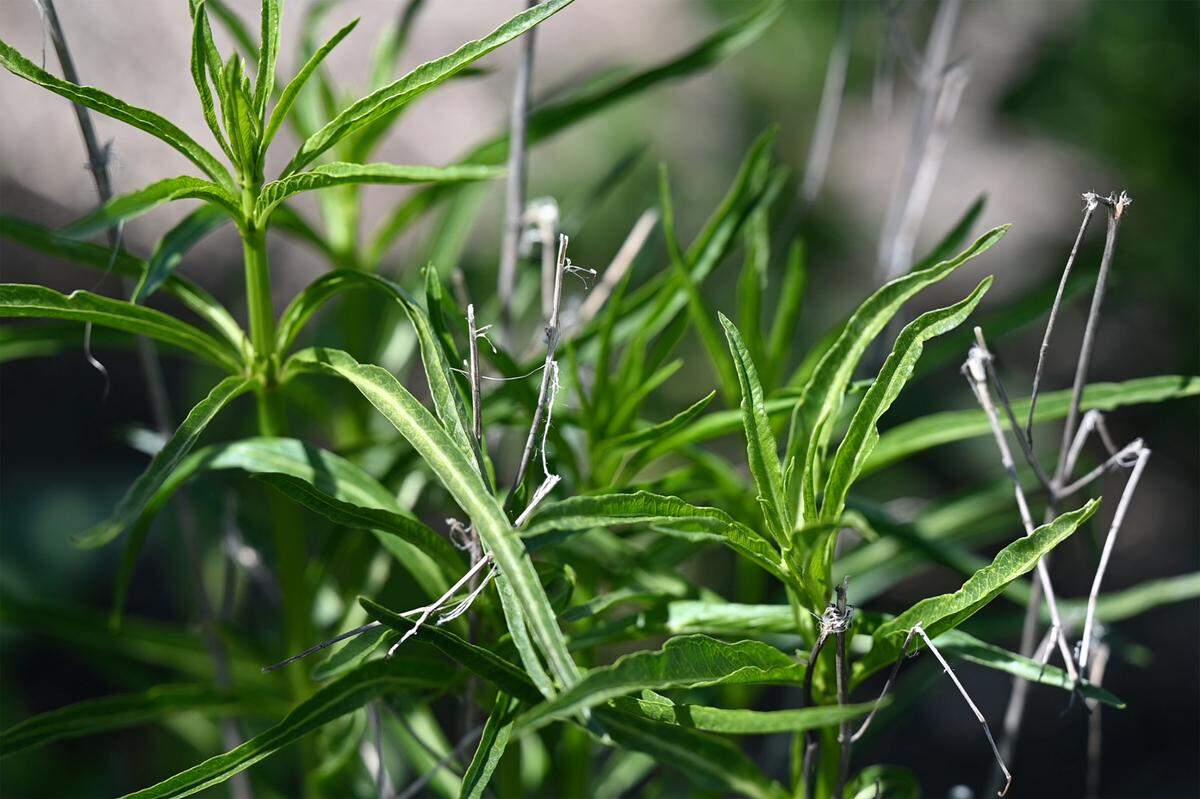
Dos Rios Ranch has joined the effort to reverse the decline of the Western monarch butterfly. The staff last May planted about 150 acres of milkweed, where this species lays its eggs.
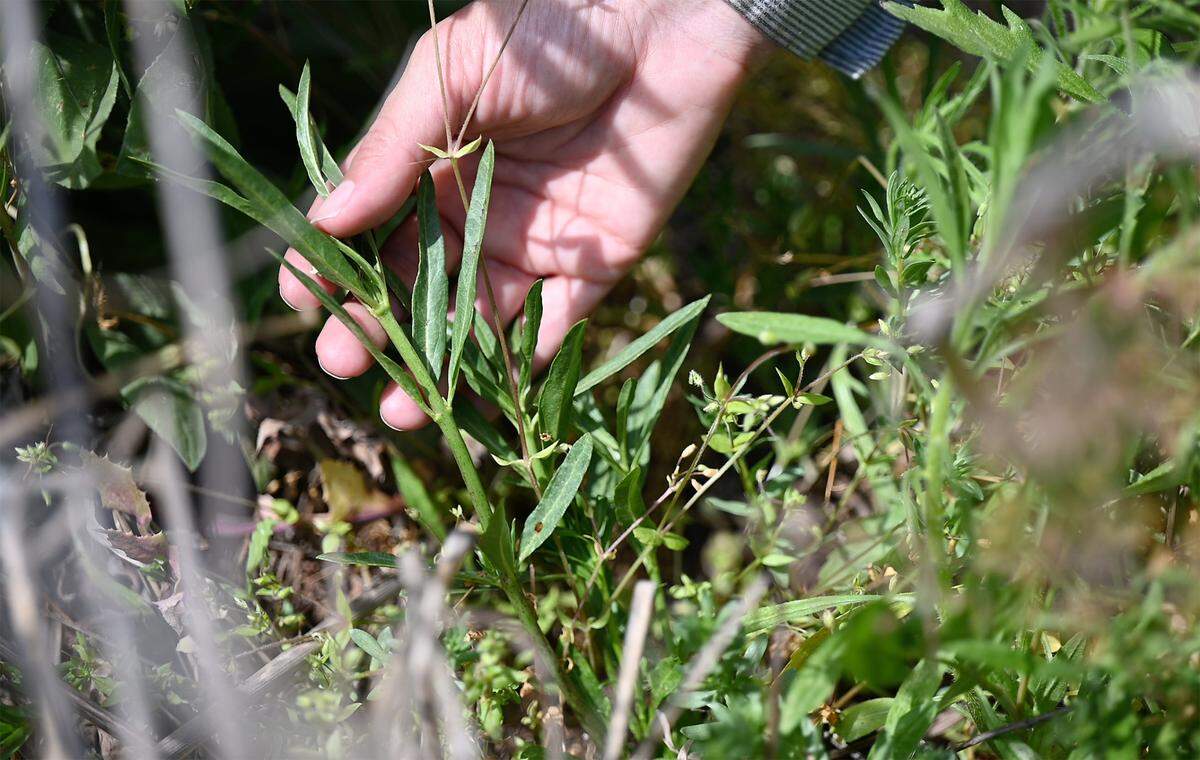
A year later, the plants are about 2 feet tall and the scientists have started to sample the stems and leaves for monarch eggs and caterpillars.
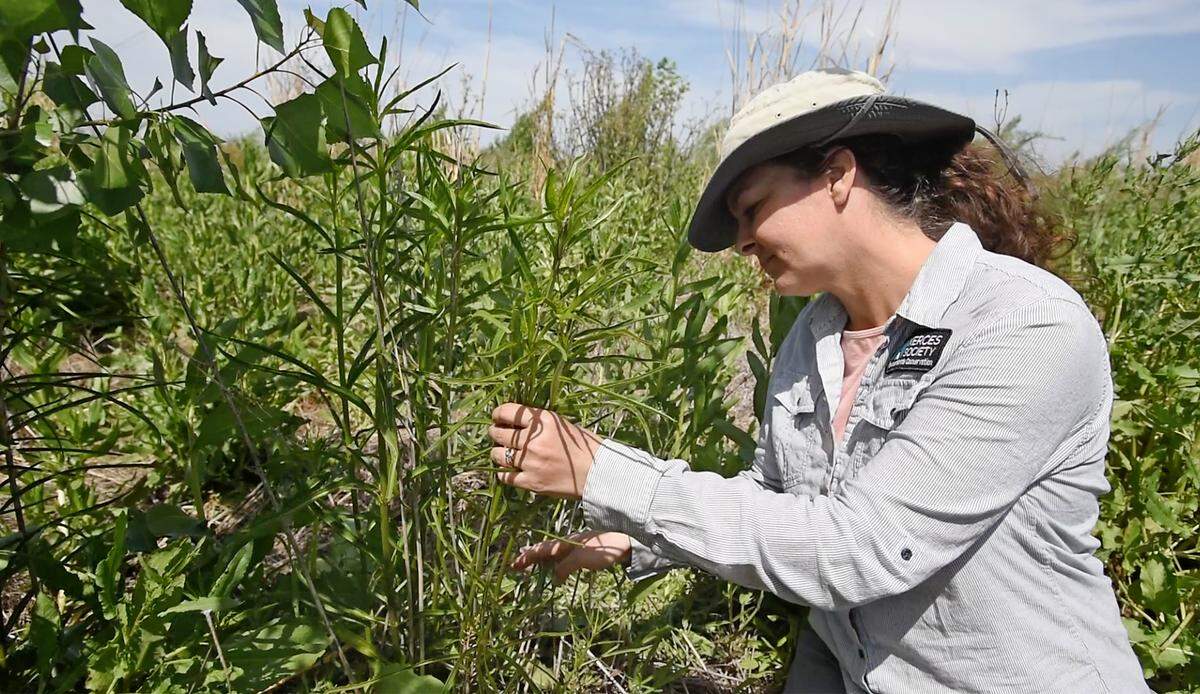
“The hope is that this habitat will support Western monarchs along with many other different pollinators,” said Angela Laws, endangered species conservation biologist for the Xerces Society for Invertebrate Conservation.
The nonprofit is joined in the cause by River Partners, which manages Dos Rios, and other allies. They hope to rebuild a butterfly population that numbered about 4 million around the West in the 1980s.
Laws provided a tour for The Modesto Bee along with restoration ecologist Haley Mirts and biologist Leah Young-Chung of River Partners.
Xerces is based in Portland, Oregon, and has a Sacramento office monitoring eight milkweed plantings around California. River Partners works from offices in Modesto and elsewhere to restore some of the state’s once-vast riparian forest.
No eggs or caterpillars turned up during the hour-plus visit, but Laws expects to find them in return surveys in late June and late August. The monitoring will be done next year as well.
Laws did find 12 caterpillars in her first survey at the Panorama Vista Preserve along the Kern River on Monday, April 25.
New life where rivers meet
Dos Rios lies at the confluence of the Tuolumne and San Joaquin rivers about 10 miles southwest of Modesto. Restoration began a decade ago on nearly 2,400 acres of former farmland, with about $45 million in funding from various sources.
Dozens of species of native trees, brush and grass have been planted to provide food and cover to fish and terrestrial creatures. Levees have been breached to allow high river flows to spread across the land, easing the flood hazard to downstream homes.
Western monarchs breed as far east as the Rocky Mountains and descend on coastal California for winter. They plummeted to about 2,000 in the annual survey by Xerces in November 2020. They rebounded to almost 250,000 a year later but still are at risk.
Experts attribute the decline to habitat loss and pesticides. The milkweed planting is funded by a $1.21 million grant from the state Wildlife Conservation Board.
Dos Rios got about 12,000 plants of the narrowleaf milkweed variety. About 20,000 more across three varieties were planted at preserves near Chico, Oroville, Yuba City, Sacramento, Los Banos, Bakersfield and San Diego. The entire effort totaled 595 acres.
Butterflies produce several generations from mid-spring to mid-autumn. Each baby spends about two weeks in the larval caterpillar stage, dining on the milkweed.
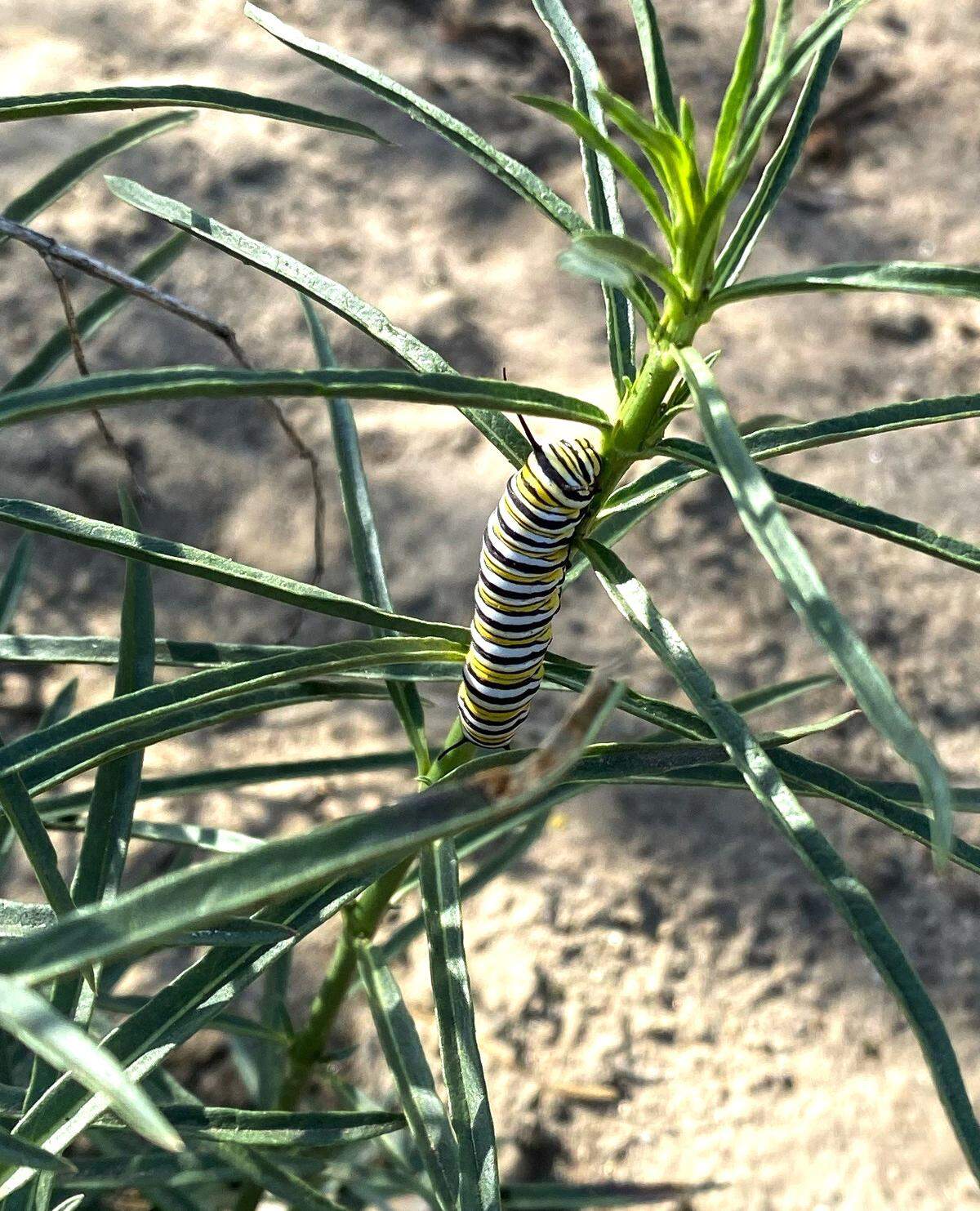
“Caterpillars are just walking digestive tubes,” Laws said. “All they do is eat.”
Milkweed also supplies nectar that nourishes the adult butterflies, certain species of bees and flies, and others.
‘People love monarchs’
The other partners include the Environmental Defense Fund, the California Department of Fish and Wildlife and Washington State University.
Laws noted that monarchs are one of the few insects that lay people can identify on sight, with their black and orange coloring and wide range. And they have become a tourist attraction in Pacific Grove, near Monterey, where a pine forest can be especially dense with butterflies.
“People love monarchs,” Laws said. “... I think they capture people’s imagination the way they migrate and come back to these overwintering sites.”
Although the caterpillars avoided the media Friday, the visit did provide an update on what’s happening at Dos Rios in general. The Bee was there in May 2021 for a tour for top Newsom administration officials involved with water and wildlife.
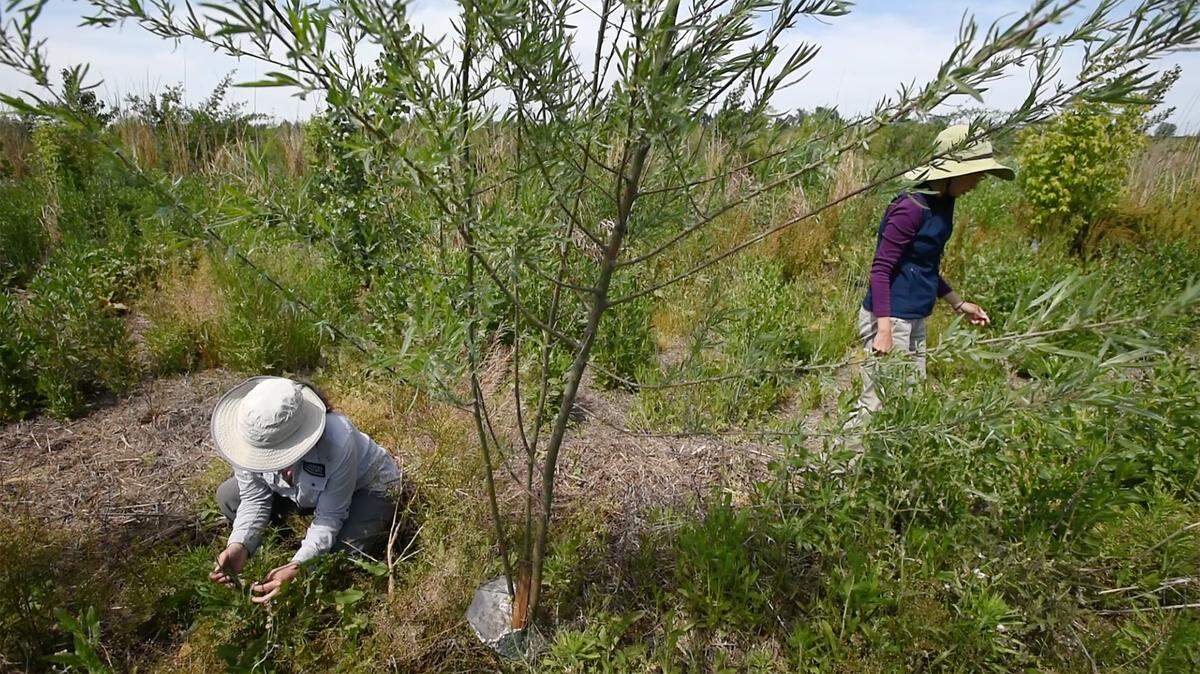
On that day, some of the cottonwoods, willows and other trees had just been planted. A year later, they stood about 20 feet tall, thanks to irrigation that will continue for a total of three years. Native rye grass had grown chest-high on part of the route to the caterpillar sampling.
Dos Rios is closed to the general public during the restoration. That could change in a few years after the site becomes part of the adjacent San Joaquin River National Wildlife Refuge.
This story was originally published May 2, 2022 at 7:00 AM.