Caltrans was liable for death at Modesto homeless camp. Why it won’t have to pay damages
The father of a woman accidentally killed by a Caltrans worker at a Modesto homeless encampment in 2018 won’t receive any money for his loss.
After just 20 minutes of deliberation, a Stanislaus County jury on Friday declined to award damages to Maurice Bigley, whose daughter, Shannon, died in the accident. He had sought $15 million.
“It’s just really a shame that someone died and someone admitted legal responsibility for that death and the jury decided that she wasn’t worth anything,” Bigley’s attorney, Eric Khodadian, said after the verdict. “But this is our legal process and the jury has spoken; we have to respect that.”
He added, “I don’t know what we could have done differently.”
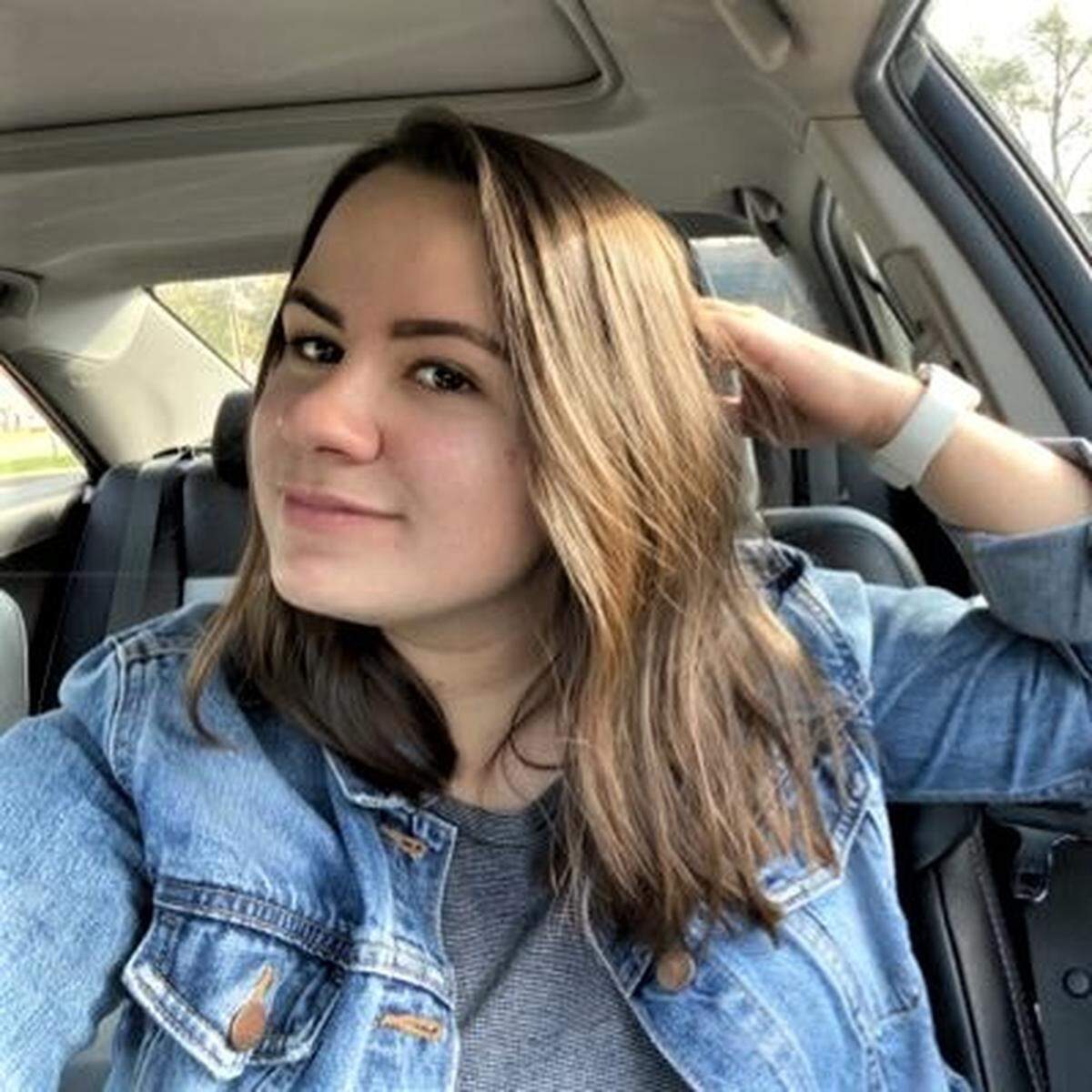
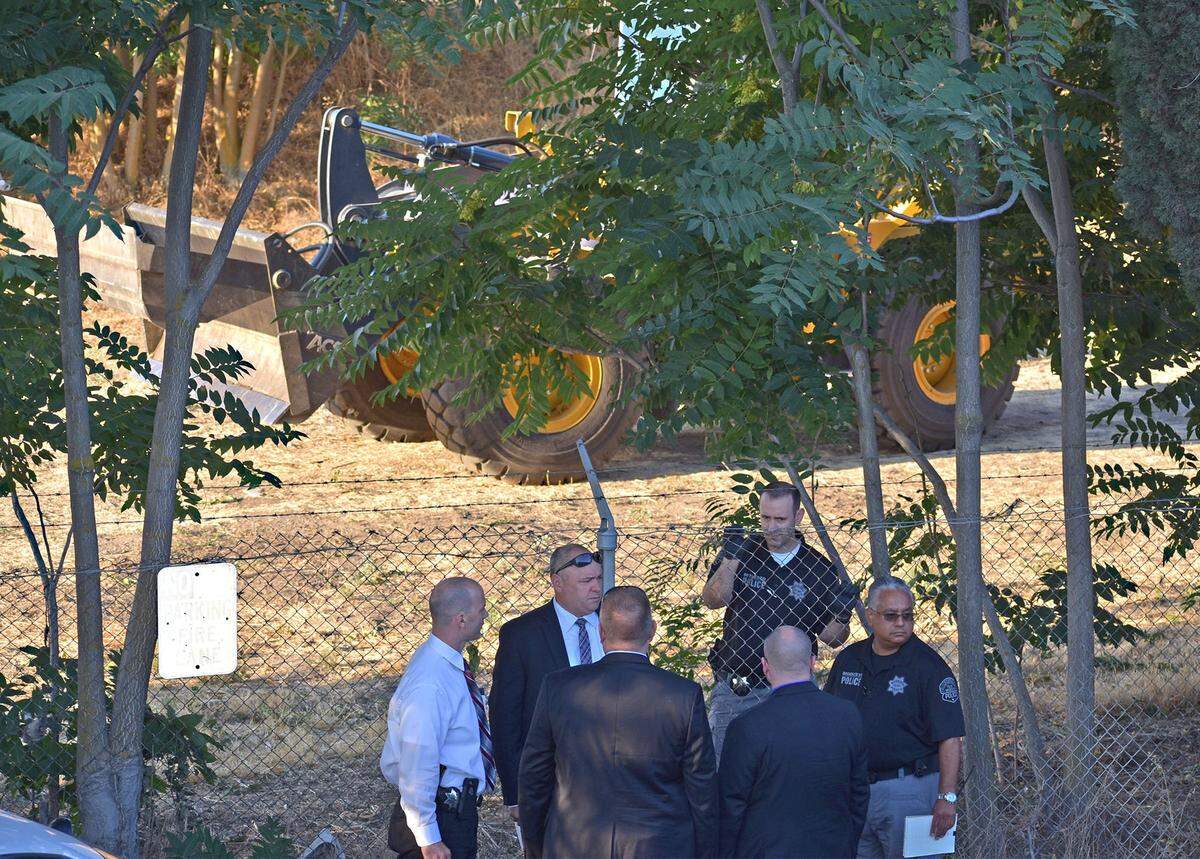
On Aug. 1, 2018, Shannon Bigley, 32, was sleeping at the encampment along Highway 99 at Kansas Avenue, state property that Caltrans had slated for cleanup. Equipment operator Brady Walker drove a front loader onto the property before sunrise, honked the horn and inquired with two men about whether they had belongings in a nearby ravine, according to a report by the California Highway Patrol.
The men told him it was just trash, so he drove into the ravine, honked the horn twice more, then lowered the bucket of the front loader onto what he thought was a pile of trash. When he drove backward, he saw Shannon Bigley’s legs. The bucket had crushed her skull and upper body, killing her.
Multiple violations by Caltrans
The CHP report said Caltrans employees violated multiple policies leading up to Bigley’s death. Walker entered the site alone and began working without waiting for CHP officers to first clear the site. Additionally, 72-hour notices to vacate were never posted.
Walker gave investigators a list of prescribed medications he was taking but failed to mention the Hydrocodone, a narcotic, that was detected in a blood sample he gave voluntarily following Bigley’s death.
No criminal charges were filed, but Bigley’s father, Maurice Bigley, sued Caltrans and Walker for wrongful death.
Just before the trial started earlier this month, the defendants admitted full liability. As a result, no testimony about their conduct leading up to Shannon Bigley’s death was permitted.
Instead, the focus was on what damages, if any, should be awarded to Maurice Bigley for the loss of his daughter.
The defense argued that Shannon and Maurice were not close. She went to see him only twice after moving out of his Oregon home at the age of 17 to live with her mother in Stockton, according to testimony. He went to see her only a half dozen times during a five-year period when he drove through Stockton as part of his route as a trucker.
Khodadian argued Maurice Bigley always loved his daughter, despite limited contact between the two during the last years of Shannon Bigley’s life.
What jurors could consider
Under the law, jurors were told they could not consider Maurice Bigley’s grief or mental anguish or Shannon Bigely’s pain and suffering, nor could they apply damages to punish Caltrans.
The jury could consider only Maurice Bigley’s loss of his daughter’s love, companionship, comfort, care, assistance, protection, affection, society, moral support, advice, guidance and training from the time of her death to the expected time of his or her death.
Dr. Barry Gustin, a physician and medical toxicologist testifying for Caltrans, said the records showed Shannon Bigley was a chronic meth user. He said chronic users are known to have an estimated lifespan of five to 10 years after the start of use, a number that could have changed the expectations for damages.
But Khodadian countered that Shannon Bigley may have gotten clean from drugs if she lived and could have possibly formed a closer bond with her father during her later years. During cross examination by Khodadian, Gustin said he was not an expert on life expectancy.
During closing arguments, Caltrans attorney Jeffrey Knox said there was no evidence Maurice Bigley expected Shannon Bigley to care or provide for him at any point if she had lived.
“In fact, he did not expect anything from her,” Knox said.

Tenuous family ties
The relationship between Maurice and Shannon Bigley was gone long before the latter’s death, Knox said.
Shannon did not tell her father about her marriage or two children until after they occurred. Likewise, Shannon never met Maurice’s wife, Bridget Bigley, whom he married in 2011.
Maurice Bigley didn’t know much about Shannon Bigley’s life in her final years; he didn’t know she was living in the Modesto homeless encampment until she died, Knox said.
Bridget Bigley testified they’d talked on the phone and Shannon knew there was always an open invitation to visit them.
Shannon lost custody of her children and both were eventually adopted. Her husband, from whom she was estranged, was a plaintiff in the case but died earlier this year.
Maurice Bigley testified that health troubles, difficulties contacting Shannon Bigley and the realities of his work kept him from having a close relationship with his daughter, but he still wanted her in his life.
Khodadian said during closing arguments that his client was a good father who tried his best.
“It is so easy to look back and nitpick and judge and say, ‘Maurice could’ve done this’ or ‘Maurice could’ve done that,’” Khodadian said. “There is no such thing as a perfect parent.”
How $15 million was determined
Khodadian asked the jury to consider damages of $2,000 a day, for a total of about $15 million, or to come up with its own daily damages and multiply that by Maurice Bigley’s life expectancy.
Eleven of the 12 jurors decided on $0 a day. Unlike in a criminal case, only nine jurors in a civil case must reach consensus on a verdict.
In contrast, Caltrans last year agreed to pay $5.5 million to settle a class action lawsuit in which the department was accused of violating the constitutional rights of homeless people in Alameda County by seizing their belongings during camp cleanups.
There were settlement discussions in this case, too, but neither side could agree on a figure so the case went to trial.
Maurice and Bridget Bigley declined to comment after the verdict, but Khodadian said, “They are saddened to see that there has been no accountability for the death of their daughter; however, they have no choice but to respect the jury’s decision.”
Caltrans said in a statement, “Caltrans is appreciative of the opportunity to present the case to the jury and respects their decision.”
This story was originally published November 23, 2021 at 5:00 AM.