Annual count finds record number of homeless people in Stanislaus, its cities
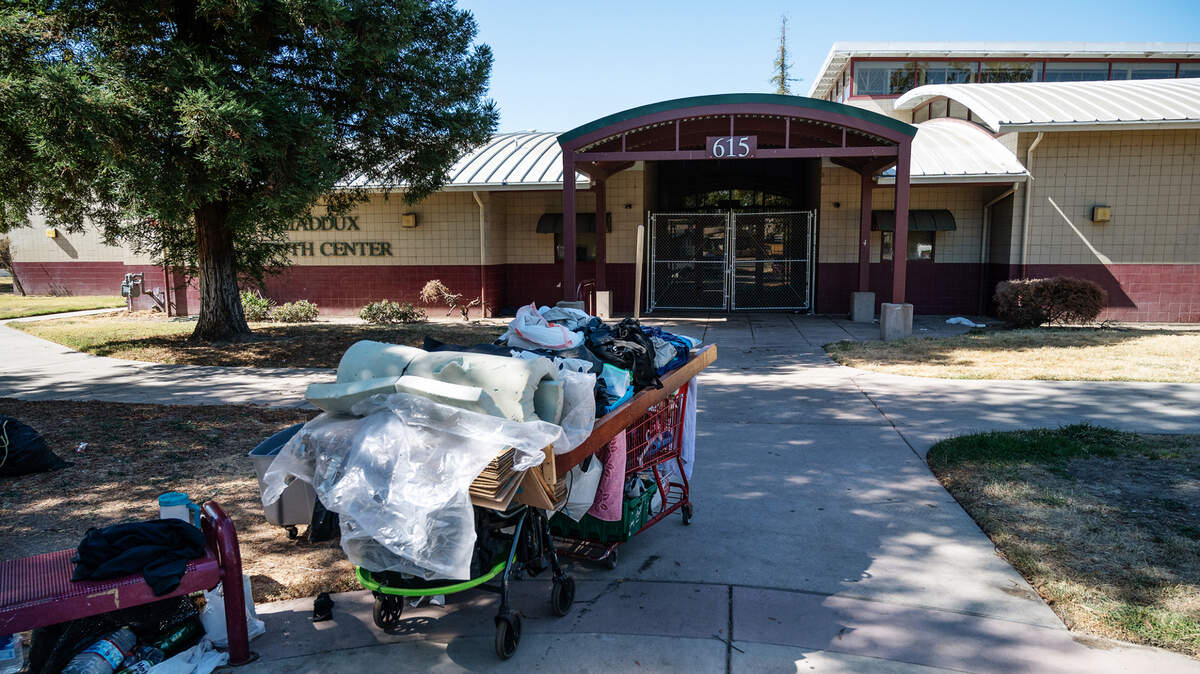
Officials are reporting this year’s count of homeless people throughout Stanislaus County tallied nearly 3,000 men, women and children. That is the most since these local counts started in 2005, but a different counting method was used this year because of the pandemic.
In a Tuesday news release, the Stanislaus Community System of Care said this year’s tally turned up 2,927 homeless people, which broke last year’s record of 2,107 people. Previous counts have ranged from 1,156 to 1,923 people.
An executive summary stated 37.2% of the homeless people counted were under the age of 18, 9.4% were people 18 to 24 years old, and the remaining 53.4% were at least 25.
The system of care is made up of local governments, nonprofits, homeless advocates and service providers, including Modesto, Turlock, Riverbank, Stanislaus County, the Stanislaus Regional Housing Authority, The Salvation Army and the Modesto Gospel Mission. The system of care organizes the counts.
The U.S. Department of Housing and Urban Development requires these counts for groups that apply for HUD homelessness funding. These point-in-time counts are conducted in communities across the nation in January.
The counts are snapshots in time, and the results are affected by a range of factors, including the level of organization and number of volunteers conducting them. The counts are not definitive.
The counts consist of two parts: the number of people staying in shelters and the number living outdoors. Because of the pandemic, HUD allowed organizers this year to skip the count of people living outdoors.
That was done to protect the volunteers and the people who are homeless from the new coronavirus. In past years, the outdoor count includes volunteers interviewing homeless people to gather such information as how long they have been homeless and whether they have a mental illness.
HUD allowed several alternatives to the outdoor count, including using data from what is called the homeless management information system (HMIS), which is another HUD requirement and tracks homeless people who receive help.
Verified accuracy of new method
The Stanislaus Community System of Care used HMIS data from Jan. 28, the date that volunteers would have counted and interviewed homeless people living outdoors.
In requesting HUD’s permission, the system of care stated that after last year’s count, it compared the count results against the HMIS data and found a 97% accuracy rate between the two, according to the letter the system of care sent to HUD seeking its permission.
System of Care Chairman Jason Conway said in an interview that there could be a variety of reasons behind the increase, including using HMIS, an increase in homelessness, an increase in homeless being identified through outreach services, or a combination of these and other factors.
Conway — the Modesto Gospel Mission executive director — also said the annual counts have found more homeless people in recent years because the counts have become better organized and more volunteers participate. For instance, the 2019 count tallied 1,923 people, which broke the record of 1,800 set in 2009 during the Great Recession. And the 2020 count set another record with 2,107 people.
Identifying service gaps
Those two counts came after a 2018 count that was not well organized and tallied 1,356 people.
Besides receiving funding based on these counts, the annual tallies help service providers learn more about the homeless people they help and whether there are service gaps. The point-in-time counts also raise awareness about homelessness.
The executive summary reported 25% of the people counted this year were in shelters, and 75% were not. The demographic breakdown included that 54% of the people were female and 46% were male. Two people identified as transgender or nonconfirming.
Previous counts provide a breakdown of homeless people by city. Modesto, as the county seat and hub for homeless services, had the majority of people in previous counts. But that information was not available because of how this year’s count was conducted, said Lynnell Fuller, the HMIS coordinator at the county’s Community Services Agency.