‘Expectations are being pulled back.’ Why Modesto’s housing market has softened
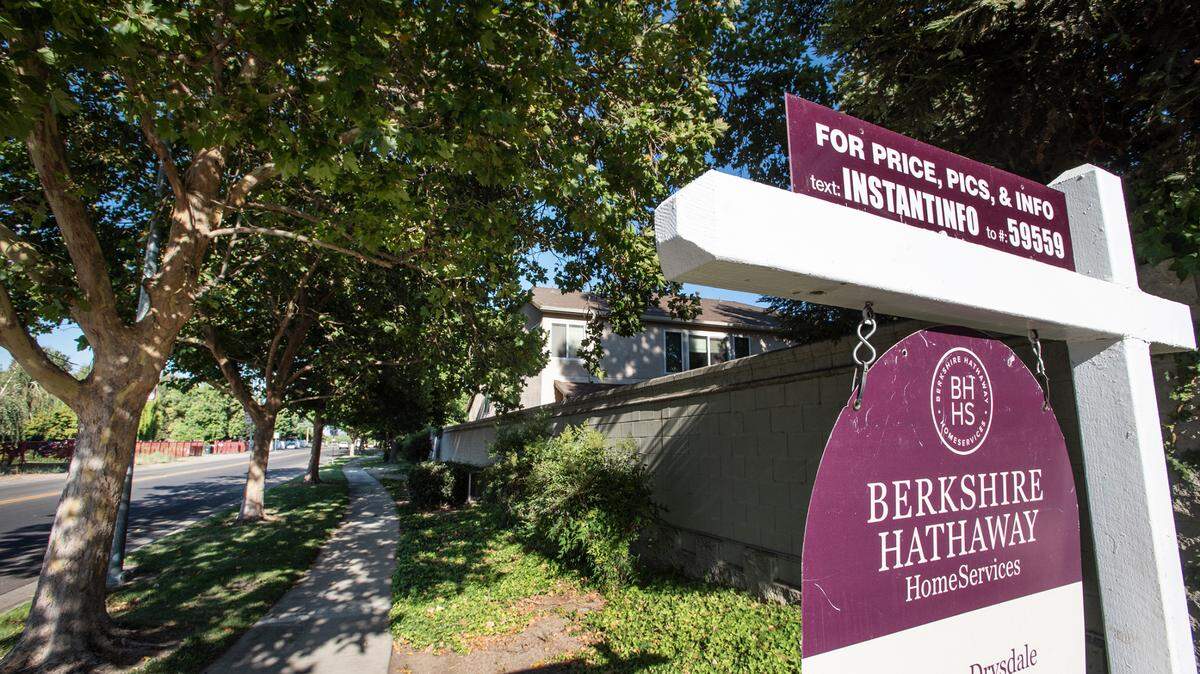
As inventory and interest rates increase in Modesto, the local housing market is softening for the first time since the pandemic hit.
Currently, the Modesto market is operating with less than a month’s worth of inventory. Typically, a traditional housing market has four to five months’ worth of stock.
And even that month’s worth of inventory is an improvement over where the market was just six months ago, when the pandemic rattled the economy — and the housing market.
In real estate, months’ supply refers to the number of months it would take for the existing inventory of houses to sell under current conditions.
Now, some home prices are decreasing, and the market is mellowing.
But as Daniel Del Real, a broker associate with PMZ Real Estate, warns, those decreases aren’t affecting median home prices. “It’s sellers’ expectations,” he said. “Sellers’ expectations are being pulled back.”
Sellers are seeing the sale prices of other houses on the market, and have begun to lower their own asking prices as a result, or are accepting lower offers from buyers. Del Real said it feels like “price softening,” rather than “price dropping,” as the median home prices remain stable.
There hasn’t been much change in the median prices since April, Del Real said, when the median sale price in Modesto hit $405,000. Since then, prices have increased slightly, with the October median sale price at $430,000, according to data from TrendGraphix.
Rather, prices are softening during sales themselves, as sellers accept offers below the asking price, and buyers are no longer frantically competing to outbid one another.
Median sales prices are a lagging indicator of market trends, Del Real said, and eventually will catch up to the sales being made.
Del Real expects these numbers to stay steady in November and December, which is typically a slower season in the real estate market, especially as offers from out-of-area buyers decrease. Bay Area transplants, who throughout the pandemic have been flocking to the Central Valley — where homes are cheaper and space is more abundant — typically don’t make the trek to view homes as often during the winter, he said.
This makes the holiday season a great time for local buyers to put in offers, he added, with a lull in competition before the new year ramps up.
As prices are dipping, inventory is increasing locally. In March and April, respectively, there were 114 and 118 homes on the market in Modesto. That number rose steadily over the next few months, with 167 homes for sale in June and 208 in July. October saw 204 local listings, according to TrendGraphix data. In October 2020, there were 159 homes for sale in Modesto.
But this inventory bump isn’t because of an increase in construction, said Taide Zamora, the sales manager for PMZ’s Orangeburg office. Modesto historically has lagged behind in housing development, and experts estimate Modesto is short at least 1,000 units a year.
While other markets, like Texas, are experiencing construction booms, Modesto’s inventory increase has a more indirect cause.
An increase in interest rates is indirectly increasing inventory levels as buyers realize their purchasing power is decreasing. During the height of the pandemic, interest rates were kept close to zero, allowing prospective homeowners to buy houses they would previously not have been able to afford. Now, the 30-year fixed mortgage rates are averaging 3.21%, according to Forbes.
Competition ‘not as intense as it was’
As the economy continues to recover and interest rates are climbing again, “people’s affordability dropped down,” Del Real said. Though inflation rates have risen, and supply chain shortages are affecting various production sectors — including home construction — economists categorize these spikes as temporary, pointing to longer-term recovery on the horizon.
“That’s causing the softening and people are slowing themselves down,” he added. “They’re waiting for the price to adjust to the terms, (and) it takes sellers a couple of months to figure that out.”
Every half-point increase of the interest rate, he said, results in a 5% decrease in purchasing power and adds “oxygen into the housing market to increase inventory and to slow down buyer activity.” Del Real also expects the turnover rate in home sales to increase as the market slows. Currently, homes are spending an average of 16 days on the market, up from only 10 during the summer.
“The competition has gone down a little bit, although there is a competitive market out there,” Zamora said. “But it’s not as intense as it was.”
While prices are still high and inventory levels remain low, Del Real said “the dust has definitely settled” from the initial volatility of the market during the pandemic. Compared to other regions, like the Bay Area, where the housing market is speculative and both inventory and space are limited, the Modesto market has remained fairly steady during the pandemic.
“We hope that the dust settles and it gives everybody an environment where buyers aren’t totally rushed to make decisions and sellers still have to compete healthily,” Del Real said.
This story was produced with financial support from the Stanislaus Community Foundation, along with the GroundTruth Project’s Report for America initiative. The Modesto Bee maintains full editorial control of this work.
To help fund The Bee’s economic development reporter with Report for America, go to https://bit.ly/ModestoBeeRFA
This story was originally published November 29, 2021 at 4:00 AM.