Mask mandates can actually spur the economy – depending on who enforces it, study says
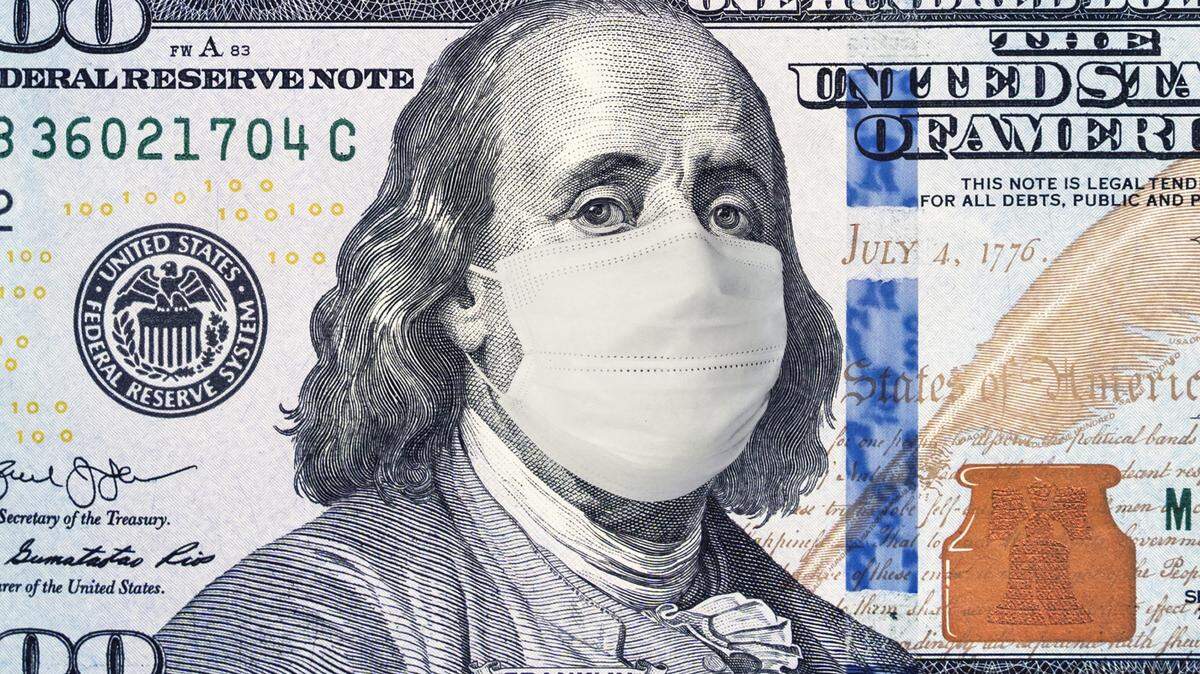
New research on preventive measures for COVID-19 found that mask mandates across the U.S. are not only effective at preventing new coronavirus infections, but they also “persistently” promote economic activity.
This, University of Utah researchers say, suggests that “policymakers do not face a trade-off between lives and livelihoods in combating COVID-19.”
But there’s a catch.
Only statewide mandates between April and September spurred the economy while also reducing COVID-19 case growth, whereas county-level mandates in the same time period accomplished the opposite when it came to spending.
That’s because people interpret county-level mask mandates to mean that infection risks have increased in their neighborhood, and as a result they distance themselves more from others and spend less.
Statewide mandates, however, “boost consumer confidence” because they ensure residents that people will be wearing a mask, thus their risk of infection is lower. In this scenario, people are more likely to feel safer visiting local businesses to spend money.
This led to an average of about $24 extra dollars spent per person each month, “which adds up to millions of dollars per month in increased sales,” according to the study.
What’s more, statewide mask mandates led to a reduction of 10 new coronavirus cases per day per 100,000 people compared to before the mandate was in place — an impact felt immediately and that lasted up to two months, the team said.
‘We should really wear masks’
The research is awaiting peer review before it can be published in a journal.
“We’re all facing a set of tradeoffs here. If you choose to not wear masks, you’re causing the confidence of your community to decrease, which means you will see reduced economic activity,” Taylor Randall, dean of the University of Utah’s David Eccles School of Business, said in a Nov. 24 news release. “If we want to push the boundary, meaning we want to have better health and a better economy during this really critical time, we really should wear masks.”
The researchers measured people’s movements using Google cellphone tracking data, spending information from credit card transactions from two data companies and COVID-19 case information from the Centers for Disease Control and Prevention.
All 3,142 U.S. counties were included in the analysis — 136 counties in 29 states implemented county-level mask mandates and 37 states and Washington. D.C. enforced state-level mandates.
More masks, more shoppers
The team also conducted a survey of 800 Utah residents in October and November and learned that people would be 51% more likely to go to a store if everyone was wearing a mask, such as by a state-enforced mandate.
If coronavirus cases were reduced by 10%, people’s likelihood to splurge at a store stands at 13%. The greater the reduction in COVID-19 cases, the greater the desire to shop, the researchers found.
“This evidence is consistent with the notion that people perceive higher COVID-19 case growth as implying higher infection risks,” the team said in the study.
“These survey responses suggest that people believe the risk of going out to a store is substantially less if people are wearing masks — and, as a result, increases their likelihood” of spending money, the researchers said.
The team included other preventive measures such as limits on gatherings and school closures in their analysis and risk calculations but their “estimates do not change substantially,” they said.
This story was originally published December 2, 2020 at 2:04 PM with the headline "Mask mandates can actually spur the economy – depending on who enforces it, study says."