New California laws change speed limits, DUI penalties and more. What to know
As California embraces the new year, several new laws — including updated rules of the road — are taking effect.
According to the California Highway Patrol, drivers should be prepared for new traffic laws aimed at improving safety on both highways and local streets.
“The California Highway Patrol is committed to keeping the public informed so they can make the safest choices for themselves and their families,” the agency said in a Dec. 26 news release. “As part of this effort, the CHP is highlighting new public safety laws passed during this year’s legislative session and signed by Gov. Gavin Newsom.”
The new laws took effect Thursday, Jan. 1.
Before you hit the road, here’s what to know about California’s new driving laws:
New speed limits in California school zones
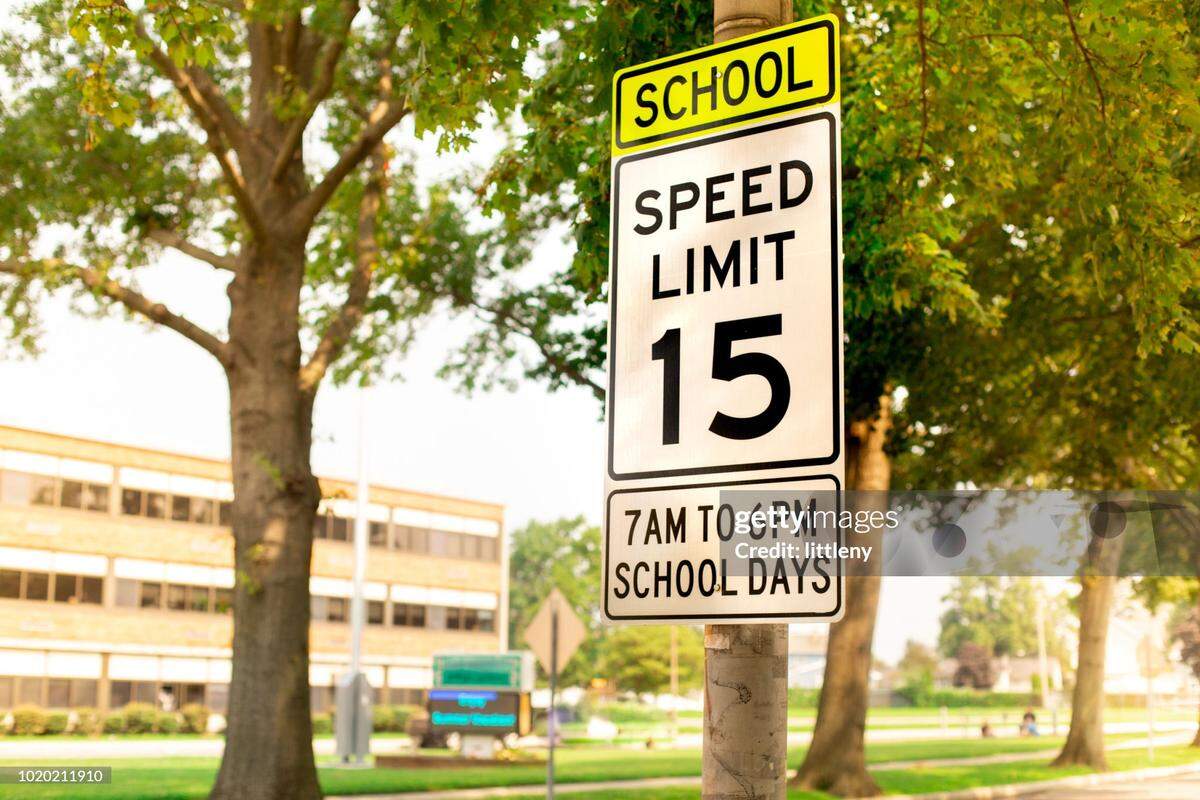
Under Assembly Bill 382, cities and counties can lower the speed limit in school zones from 25 mph to 20 mph.
Previously, local officials were allowed to change school zone speed limits under certain conditions, such as on roads with no more than two traffic lanes and posted speed limits of 30 mph or less before and after the school zone.
The new law allows local governments to set a speed limit of 15 mph within a school zone on roads posted at 30 mph or lower, and 25 mph when approaching a school zone from 500 to 1,000 feet away, without having to meet the previous roadway restrictions.
A “school zone” is defined as any roadway within 500 feet of school grounds in any direction, unless otherwise posted, the bill says. It must be clearly marked with appropriate signage.
Local governments can do this by passing an ordinance or resolution through Jan. 1, 2031.
“After this date, the speed limit will automatically decrease from 25 to 20 mph in school zones when proper signage is posted,” the CHP said in the release.
Law lowers speed limits on some highways
Assembly Bill 1014 allows the California Department of Transportation to lower speed limits by 5 mph on certain highways, especially in safety-sensitive areas such as safety corridors or places with heavy pedestrian traffic.
However, the new law says, drivers won’t be ticketed right away when a speed limit is reduced.
Instead, law enforcement will issue warning citations for the first 30 days to give motorists time to adjust, according to the CHP.
The law also allows speed limits of 20 mph or 25 mph on roads where lower speeds are needed to protect pedestrians and other road users, the law says.
Slow down for maintenance workers, stopped vehicles
Assembly Bill 390 expands California’s “slow down and move over” law to better protect people working or stopped along the roadside.
Under the new law, drivers must slow down or change lanes when approaching any highway maintenance vehicle or stopped vehicle that has flashing hazard lights or warning devices, such as cones or road flares.
“Drivers approaching such a vehicle must move into a lane that is not next to the stopped vehicle or slow down to a safe speed if changing lanes is not possible,” CHP said.
Violating this law is considered an infraction and can result in a fine of up to $50, the law says.
New speed detectors in construction work zones
Under Assembly Bill 289, California will launch a pilot program that uses new speed detectors in highway work zones to improve safety.
In construction work zones, the speed limit should be reduced by 10 mph from the posted limit unless an exception is granted, Caltrans previously told The Sacramento Bee.
The new law allows the state department to set up a Work Zone Speed Safety System that uses fixed or mobile radar or laser technology to spot speeding vehicles.
The system will also capture a clear photo of the vehicle’s license plate.
“Citations will be issued to the vehicle’s registered owner with specified requirements and procedures for program implementation, citation issuance, review, and appeal,” the CHP said.
The base fine for a speeding ticket in California starts at $35, but additional penalty assessments and court fees can push the total cost to nearly $500.
Tougher DUI penalties for traffic deaths
Another new California law addresses drunk driving.
Assembly Bill 1087 toughens penalties for drivers who cause a death while under the influence of intoxicants.
Previously, impaired drivers who caused a death could be charged with a misdemeanor or felony, resulting in up to one year of probation for a misdemeanor and two years for a felony.
The new law increases the penalty for DUI-related deaths.
If someone is convicted of DUI and placed on probation, it will typically last three to five years.
This story was originally published January 3, 2026 at 5:00 AM with the headline "New California laws change speed limits, DUI penalties and more. What to know."