California farmers fear for future of lifeline program if federal funds end
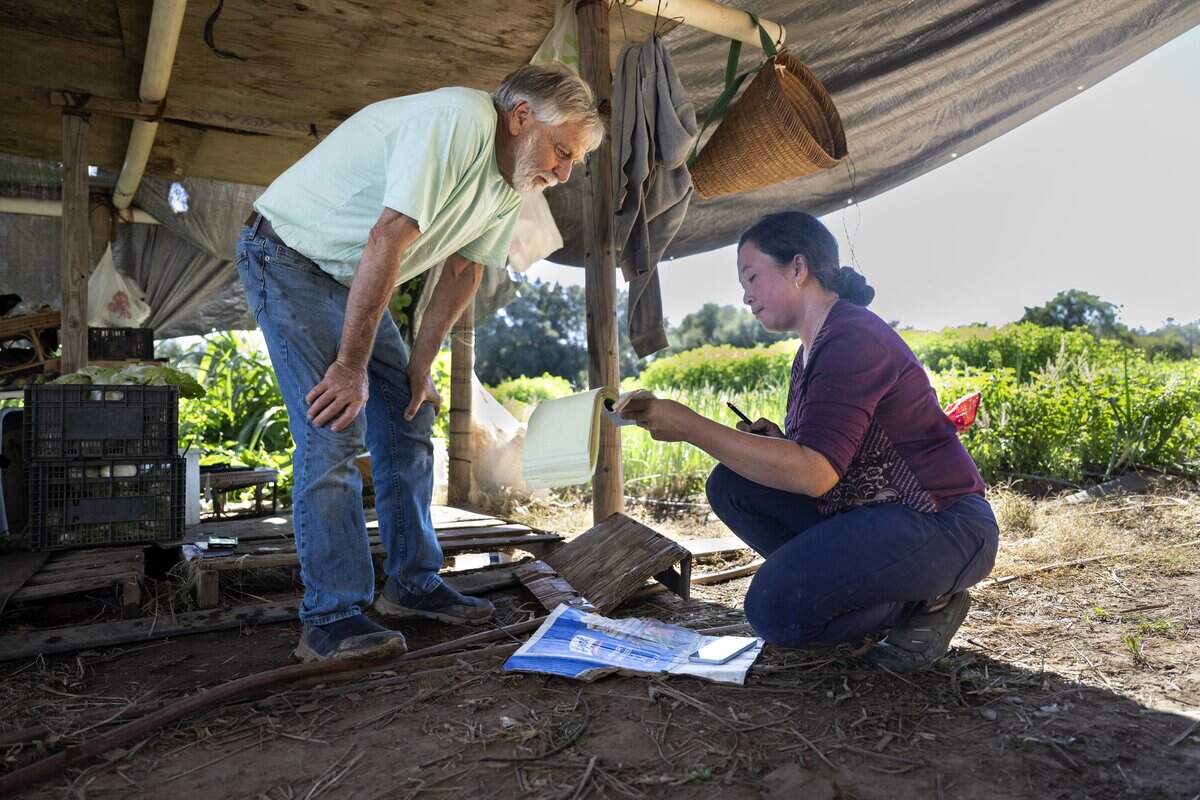
When 70-year-old Steven Dambeck’s van pulled up beside the small farm in Marysville, Nalee Siong straightened from a row of boxes she had been sorting through and greeted him with a smile.
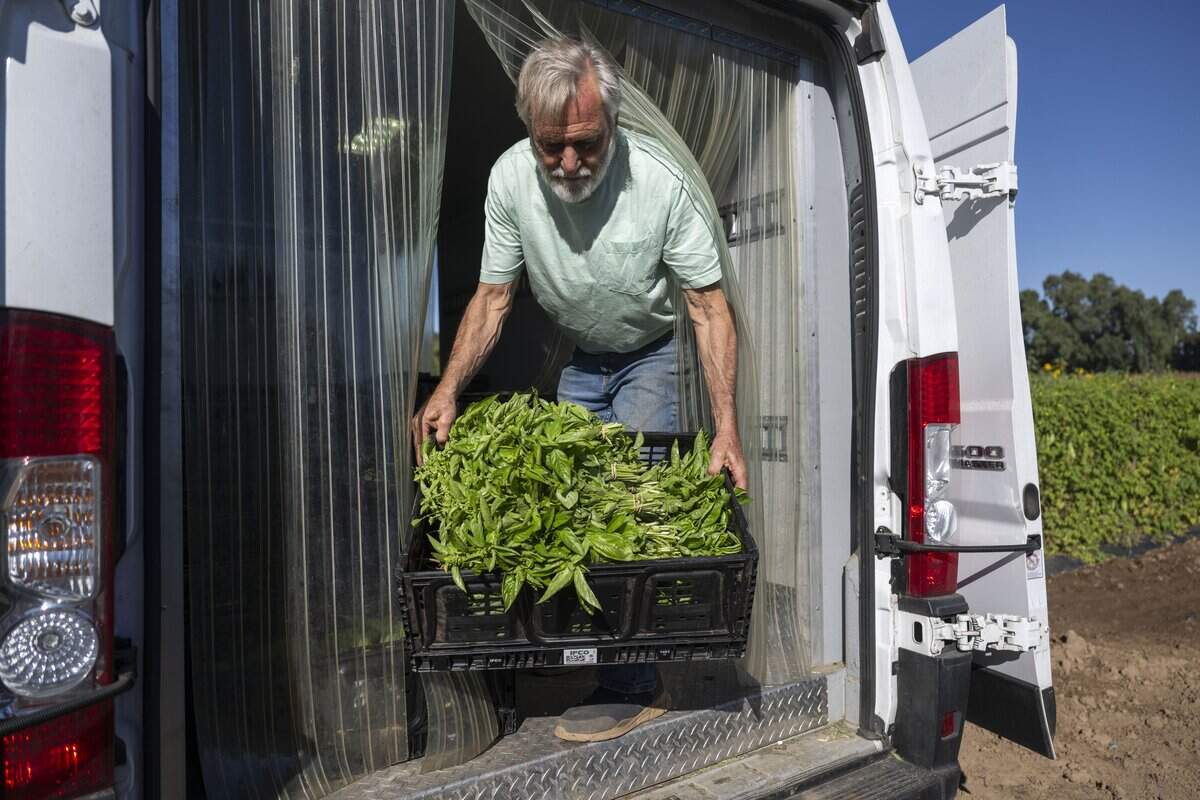
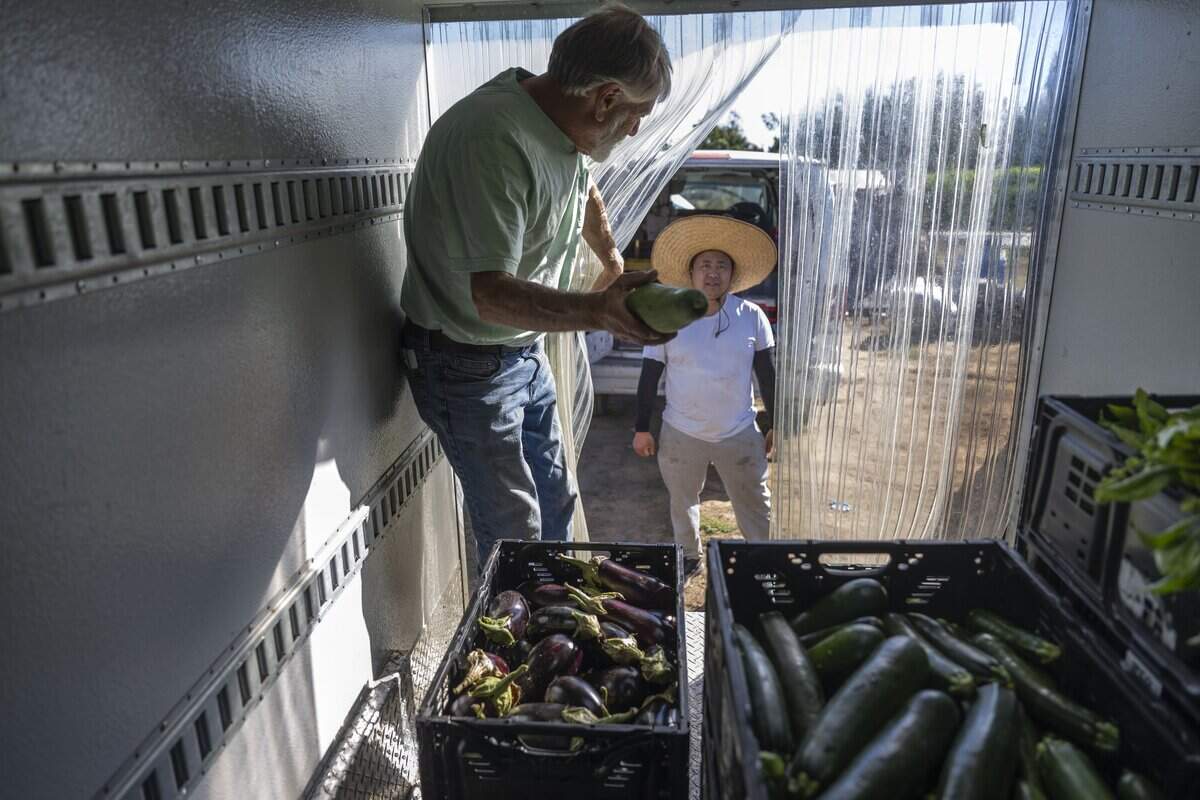
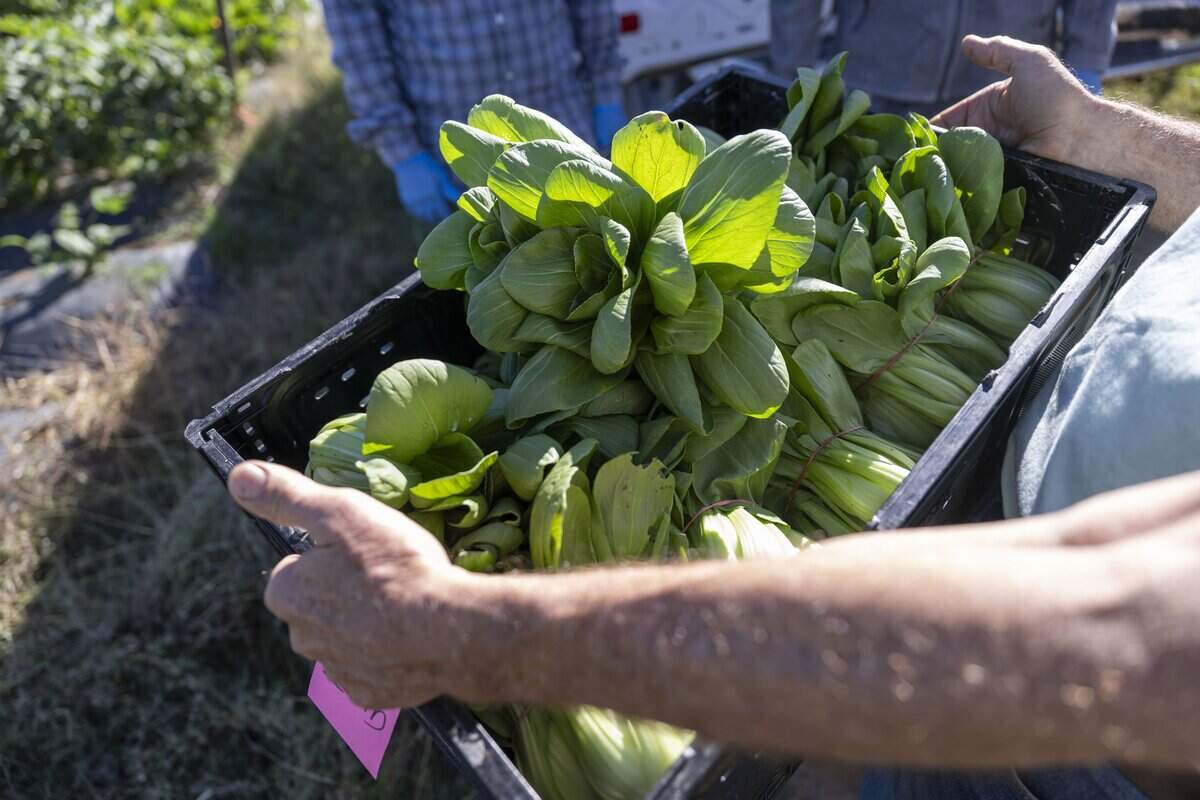
The boxes at her feet were filled with fresh cucumbers, jicama, and bok choy — a morning’s harvest from the four acres she tends alone on her farm in Yuba County. Dambeck began lifting the boxes, stacking them carefully into his van. His next stop was a local food bank, where Siong’s produce would be distributed to families in need.
Siong, 38, joked that working all day under the sun has aged her faster, but said she still finds joy in growing her crops, and in sustaining the only income her family has. Selling her crops through the Farms Together program, a federally funded state effort that connects small farms with local food banks, Siong said the experience made her “too happy.”
“I pay for the house. I bought a car…everything. Too happy,” Siong continued.
But in less than three months, that joy may come to an end.
Federal freeze rattles small farms and food banks
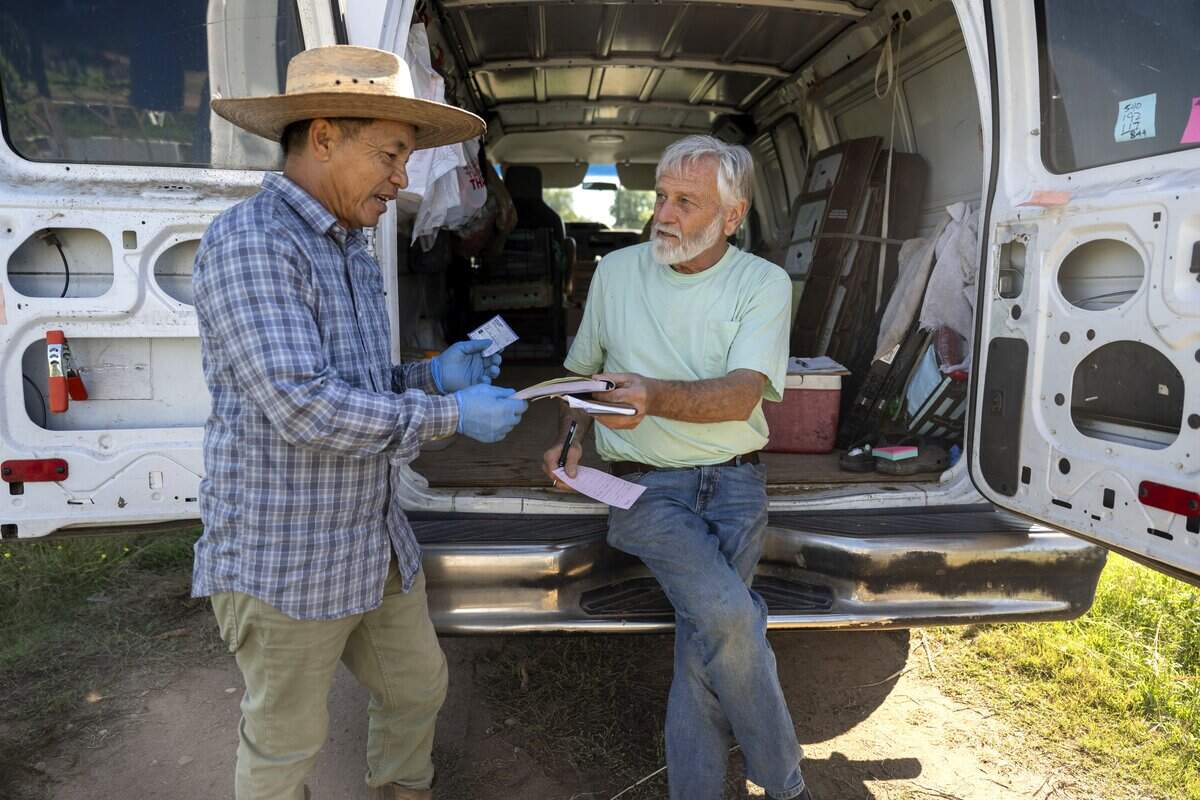
Every Monday and Tuesday, Dambeck, a former farmer from Yuba County who now works as an aggregator for the Farms Together program and manages produce orders, drives around the region to pick up produce from local farms and deliver it to nearby food banks. At Yuba-Sutter Food Bank, that produce is then picked up by 50 partner agencies, which distribute it throughout the community, reaching roughly 30,000 people each month, according to Maria Ball, executive director of Yuba-Sutter Food Bank.
That same routine, which has continued for the past year and a half, was disrupted by shocking news, when the federal government’s funding cuts to the U.S. Department of Agriculture’s Local Food Purchase Assistance program froze funding for Farms Together. Although the funds were eventually restored, the program now is under a cloud of uncertainty.
“If that freeze had been solid, I would have been out about 40,000 dollars, because I pay the farmers in a timely way, and if the money wasn’t going to come to reimburse me, then ‘tough luck, Steven. You’re out of money,’” Dambeck said. “Hard for me, but it would have been harder for the farmers, because they planted their fields in an expectation that this is a contract with the federal government.”
Since its launch in 2023, the Farms Together program has invested more than $11 million in farmers and local food businesses across California, connecting over 480 farms and distributing over 5.9 million pounds of produce and other goods through community food distributors like local food banks, according to data provided on the website of Fresh Approach, one of three organizations that manage Farms Together alongside the California Association of Food Banks and the Community Alliance with Family Farmers.
The previously announced $1.13 billion in federal funds for local food programs, including about $47 million for California, has now been terminated, according to an appeal letter from the California Department of Social Services to Jack Tuckwiller, deputy administrator at the USDA.
At the height of a sweeping wave of federal program terminations under the Department of Government Efficiency earlier this year, the USDA defended the cuts, saying the funding “no longer effectuates the goals of the agency” and claiming the Biden administration had “funneled billions into short-term programs with no plan for longevity,” according to The Fresno Bee and CBS News.
“They [the federal government] honored the existing agreements. It was just that we had high hopes that it was going to be renewed,” Ball said. “And these farmers…this is their lifeline. We’re worried about them, how they’re going to sustain their farm.”
But for Dambeck and the farmers who had pinned their hopes on the renewal of the program, the temporary freeze felt like a glimpse of what could come, a reminder that their contracts and their livelihoods may not survive beyond this season.
“Small farmers are all about community and that’s one of the main reasons why we’re doing what we’re doing — to help our community and provide that fresh local produce. If the program does go away, it makes it hard for us to continue doing that,” said Saen Lor, a 36-year-old farmer in Marysville.
“If the program does go away, that’s going to affect us. And if it affects us, then it’s definitely going to affect our community too.”
USDA did not respond to The Sacramento Bee’s requests for comment.
Push grows for long-term funding fix
Ball noted advocates for the program are now lobbying and raising awareness to push for its extension, adding that Farms Together program’s impact has been “fantastic” in opening access to fresh produce for people who wouldn’t normally have it.
“I’d like to somehow be able to have some measurement with people’s health — how it’s affecting them, because they’re eating fresh fruits and vegetables that they normally wouldn’t have access to,” Ball said.
At the Farm to Fork Festival last month, Héctor Reider, co-director of the Farm to Market program at CAFF, and Andy Ollove, Food Access Program Director at Fresh Approach, spoke with attendees about the benefits of the program.
“It’s basically a virtuous cycle. Why? Because for every dollar that is invested in this program, two dollars come back to the community,” Ollove said, as Reider urged lawmakers to take action to protect the program and secure a permanent funding pathway.
There are two pending bills, the Local Farmers Feeding Our Communities Act and the Strengthening Local Food Security Act, that aim to create a more stable, long-term funding streamline for local food purchasing programs and for direct purchases from small and mid-sized farmers.
“We’re on a river that’s heading towards a cliff,” Dambeck said.
“We’re going to paddle our way over and hopefully not crash on the rocks below, because people on both sides — the farming side and the needy side — they’ve been so nourished by this program, and they’re unprepared for it to disappear.”
This story was originally published October 16, 2025 at 6:00 AM with the headline "California farmers fear for future of lifeline program if federal funds end."