Plague infects California resident. What to know about ‘life-threatening’ disease
After a El Dorado County resident tested positive for the plague, Californians may be wondering about their risks of contracting the deadly disease.
A South Lake Tahoe resident was recently diagnosed with the plague, the El Dorado County Public Health Division said in a Tuesday, Aug. 19, news release.
The person, whose name was not publicly disclosed, may have been “bitten by an infected flea while camping in (the) South Lake Tahoe area,” El Dorado County officials said in the release.
What exactly is the plague? How can you tell if you’ve been exposed to the disease, and how can you avoid getting sick?
Here’s what to know:
What is the plague?
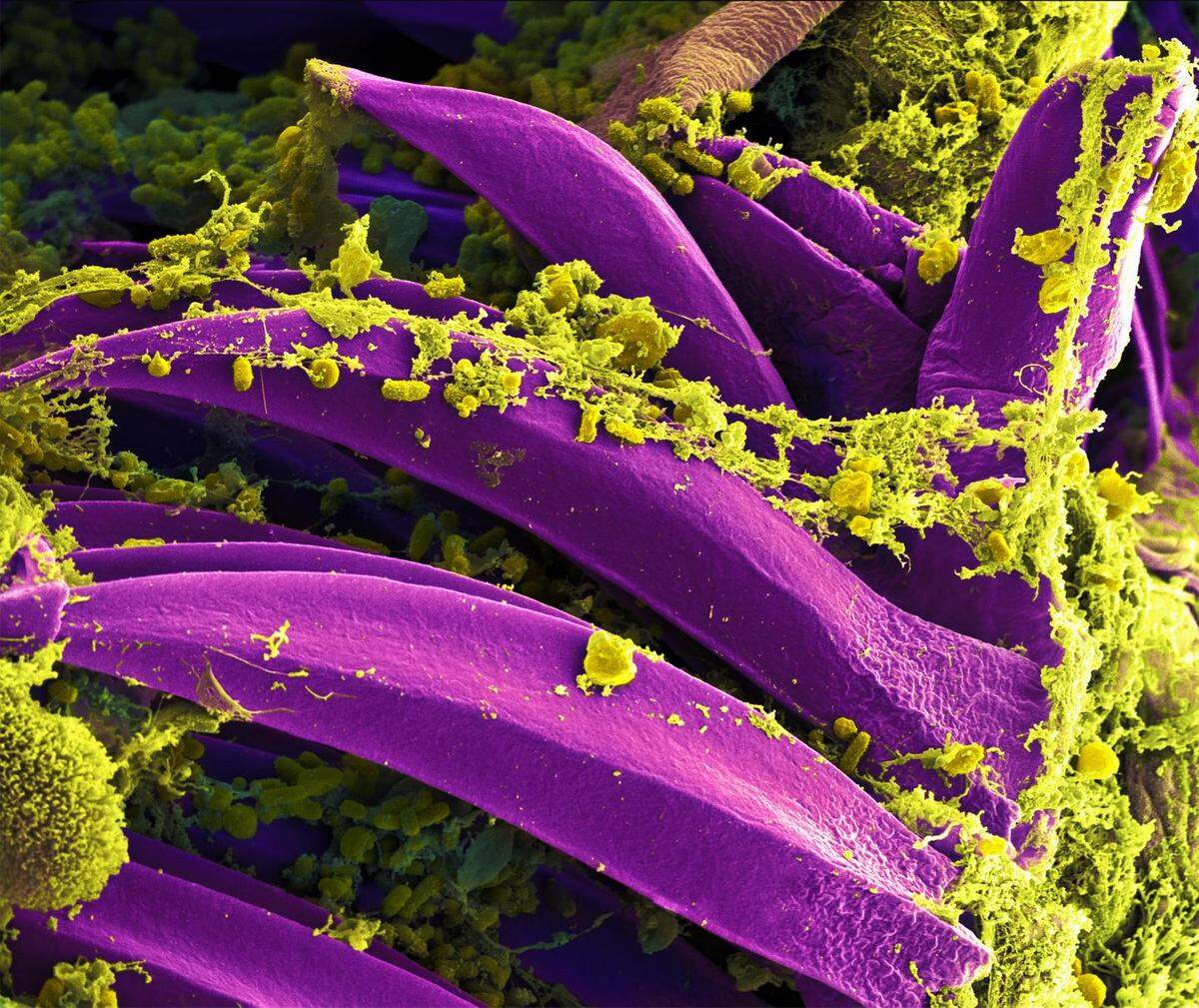
Plague is a “potentially life-threatening disease” caused by the bacterium Yersinia pestis, according to the U.S. Centers for Disease Control and Prevention.
According to the Cleveland Clinic, there are three types of plague: bubonic, septicemic and pneumonic. Each one is named for the part of your body that gets infected.
Bubonic plague, the most common form of the plague, affects lymph nodes.
People who have contracted the bubonic plague have about a 95% chance of recovering, according to the Cleveland Clinic.
Septicemic plague affects your blood, the Cleveland Clinic said on its website, while pneumonic plague occurs when Y. pestis bacteria gets into your lungs.
How is the plague spread?
Plague is a zoonotic disease, which means it can be passed from animals to people — and from people to animals.
Health officials in El Dorado County said plague bacteria are often transmitted by bites from fleas that came in contact with infected squirrels, chipmunks or other wild rodents.
“Dogs and cats may also bring plague-infested fleas into the home,” county officials siad.
The California Department of Public Health routinely monitors rodent populations across the state for plague activities, the release said.

What are common plague symptoms?
Plague symptoms usually occur within two weeks of exposure, according to the CDC.
According to the CDC, symptoms of plague include:
- Fever
- Chills
- Headaches and body aches
- Weakness and fatigue
- Dizziness
- Nausea, vomiting and diarrhea
Other symptoms depend on the kind of plague you’ve contracted, federal health officials said.
For instance, you might experience swollen, painful lymph nodes if you’ve contracted bubonic plague, the CDC said.
If you have septicemic plague, you might have abdominal pain and bleeding from your nose, your mouth or under your skin, the federal health agency said, while those with pneumonic plague experience shortness of breath, chest pain, coughing and bloody or watery mucus.
How common is the plague in California?
“Plague is naturally present in many parts of California, including higher elevation areas of El Dorado County,” Kyle Fliflet, El Dorado County acting public health director, said in the release.
In California, plague mostly affects wild rodents including ground squirrels and chipmunks, according to the California Department of Public Health’s Vector-Borne Disease Section.
However, people, cats and other animals can get the disease if they “live in or go to areas where wild rodents are naturally infected with plague,” state health officials said.
“Human cases are extremely rare but can be very serious,” El Dorado County officials said.
From 1927 through 2020, a total of 64 human plague cases were reported in California, according to the California Department of Public Health’s Vector-Borne Disease Section.
The plague was previously reported in El Dorado County in 2020, The Sacramento Bee previously reported, and involved a person who was likely exposed to bacterium in the South Lake Tahoe area,
Two people were diagnosed with the plague in 2015 after being exposed to infected rodents or fleas in Yosemite National Park, The Bee reported. Those were the first reported human cases in California since 2006.
How is the plague treated?
Treatment for plague patients includes antibiotics used to treat bacterial infections, according to the CDC.
“The earlier a patient seeks medical care and receives treatment that is appropriate for plague, the better their chances are of a full recovery,” the CDC said.
How can I reduce risks of infection?
Follow these tips from the CDC and the El Dorado Public Health Division to reduce your risk of being infected with plague:
- Reduce rodent habitat around your home, workplace and recreational areas
- Do not feed squirrels, chipmunks or other wild rodents
- Never touch sick, injured or dead rodents
- Wear gloves if handling or skinning potentially affected animals
- Don’t let your pets play with sick, injured or dead rodents — or pick them up
- Do not camp, sleep or rest near animal burrows or areas where dead rodents were spotted
- Look out for warning signs, and follow them
- Wear long pants tucked into boot tops and spray insect repellent on socks and pant cuffs
- Leave pets at home if possible, or keep them on a leash
- Protect pets with flea control products
- Don’t allow free-roaming dogs or cats to sleep on your bed.
This story was originally published August 21, 2025 at 1:09 PM with the headline "Plague infects California resident. What to know about ‘life-threatening’ disease."