Rattlesnakes thrive in warm California weather. How to avoid getting bitten
AI-generated summary reviewed by our newsroom.
- Rattlesnake activity peaks April to October in California’s warm, dry areas.
- Avoid bites by staying on trails, wearing boots and watching where you step.
- In case of a bite, remain calm, call 911 and seek immediate medical attention.
As California enters the hottest months of the year, rattlesnakes are more active in their search for sunlight and water.
The venomous snakes thrive in warm temperatures, with peak rattlesnake season extending from April to October, according to Emily Taylor, a professor of biological sciences at Cal Poly.
That means humans are more likely to encounter the reptiles while gardening, hiking or camping during balmy weather.
Here are some tips to help you stay safe from the state’s only venomous snake species:
How to identify rattlesnakes in the wild
California is home to seven species of rattlesnakes, according to the California Department of Fish and Wildlife.
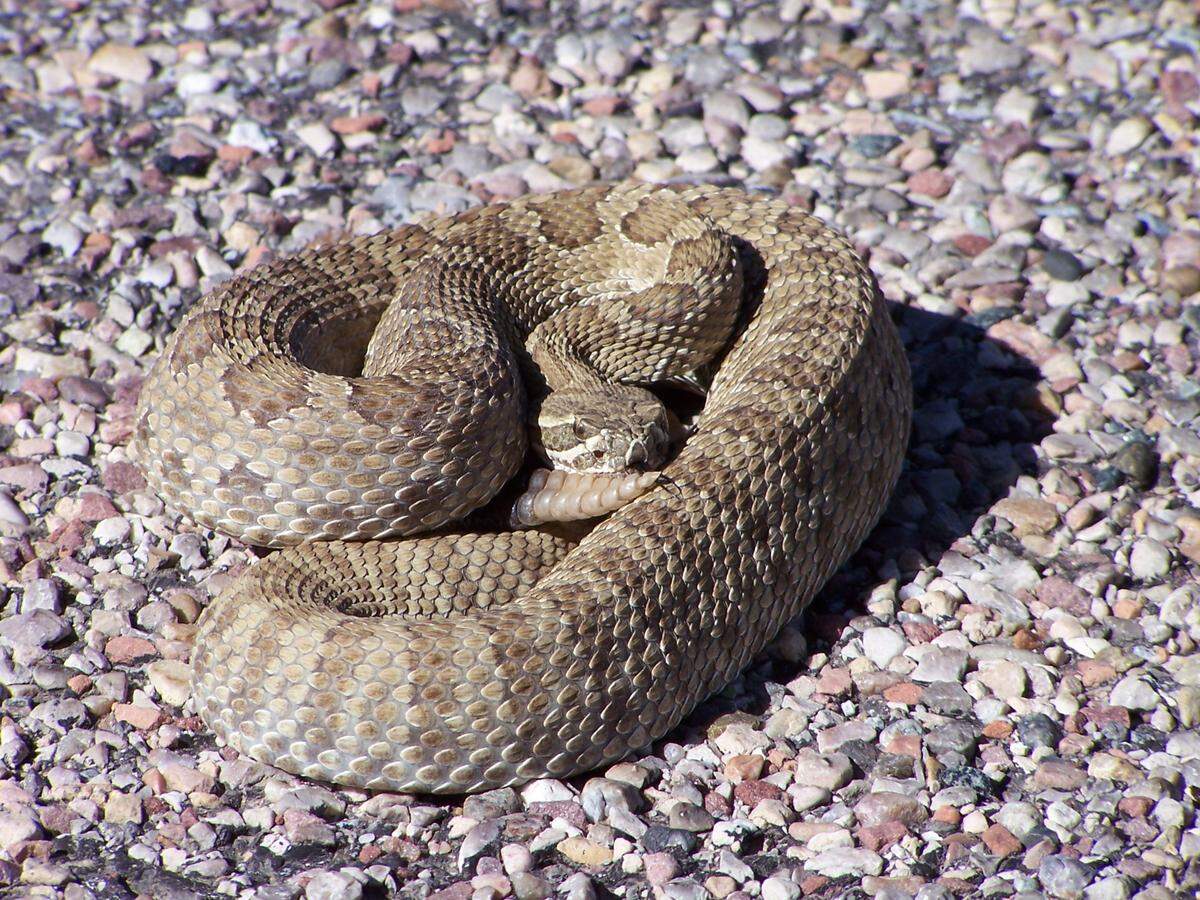
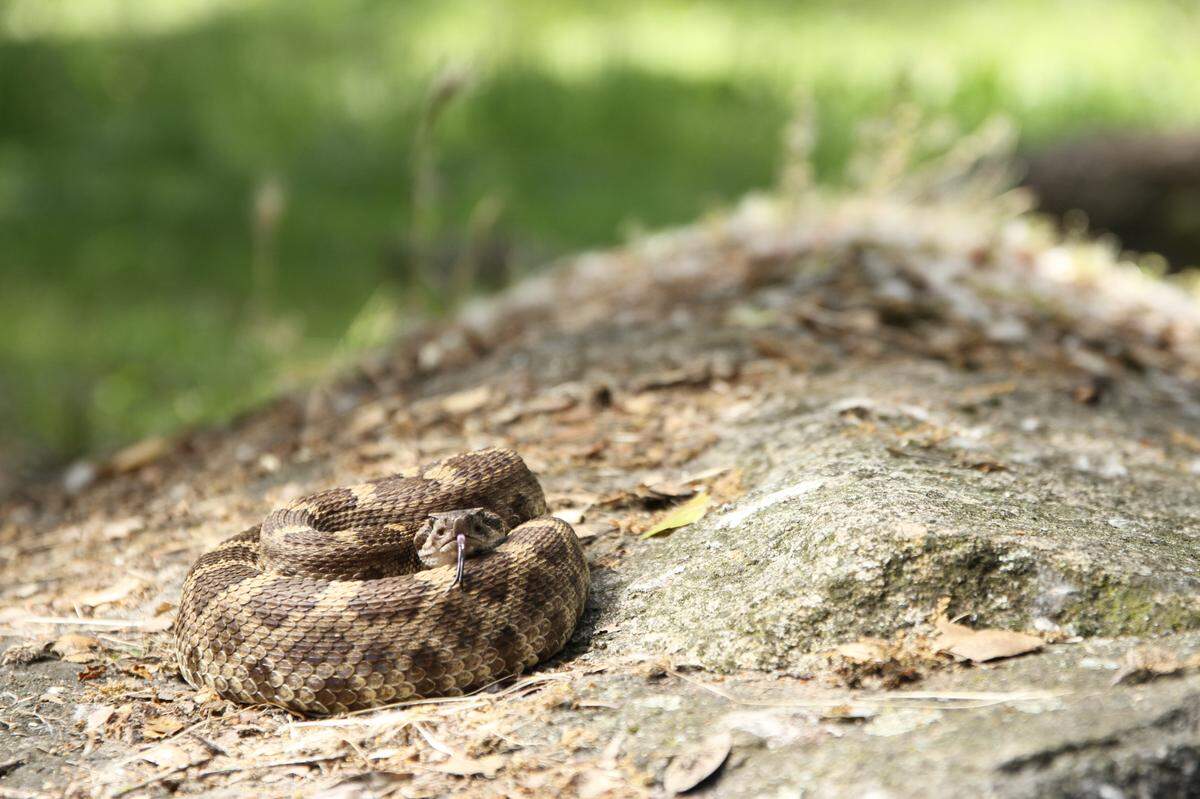
You can identify a rattlesnake through its triangular-shaped head, diamond pattern and the distinct sound of the rattle at the end of its tail, the state Fish and Wildlife Department said.
However, humans shouldn’t always rely on sound to identify these snakes. Baby rattlesnakes don’t have rattles, and adult snakes’ rattles occasionally break off, according to the National Park Service.
The reptiles live in elevations up to 9,000 feet and typically hang out under rocks, logs and woodpiles, the National Park Service said.
Rattlesnakes can grow to 3 to 4 feet long and tend to have “heavier, chubbier” bodies than other snake species, according to Michael Starkey, a wildlife biologist and the founder and executive director of Save the Snakes.
Rattlers are usually spotted by humans in dry landscapes, such as on hiking trails or near homes in the foothills, Starkey said.
How common are rattlesnake bites?
About 7,000 to 8,000 people are bitten by venomous snakes in the United States each year, according to the Centers for Disease Control and Prevention.
About five of those victims die per year.
Starkey said about 500 to 800 Californians get rattlesnake bites per year.
The problem is “people not looking where they’re going,” he said. “They’re bitten on the trail accidentally, (when) stepping over a rock or a log.”
The old adage that snakes are more afraid of us than we are of them is true, Taylor said.
“Snakes don’t bite people because they want to,” she said. “Snakes bite people because they feel like their lives are risk.”
What to do if you encounter a rattler in California
Whether you come across rattlesnakes in the wild or your own backyard, it’s essential to give them space, Taylor said.
“Admire (the snake) from a distance,” she said. “Stay at least 10 feet away and just watch it. It’s never going to come at you. It’s usually just going to crawl away.”
Humans should walk around the reptile and give them a wide berth if the snake is coiled up, she said.
If the rattler is crawling, crossing or blocking a trail, wait for them to move out of your way, Taylor said.
If the snake is unwilling to move, you can “really lightly throw some dirt at its tail,” she said, to make it go away.
Follow these tips to stay clear of the snakes, according to the National Park Service:
- Hike on established trails where the ground is clear, so you can see where you step.
- If you hear a rattlesnake, stand still until you see the snake, then walk away from it.
- Wear protective clothing such as long pants and high boots.
- Wear gloves when moving rocks or brush with your hands
- Never put your hands in areas where you cannot see.
- Avoid ledges, cracks or holes where rattlesnakes may be resting.
What should I do if I get bitten by a rattler?
If you get bitten by a rattlesnake, Starkey said it’s essential to stay calm.
By staying cool under stress, your heart rate will decrease and slow down the absorption of venom in the body, according to Starkey.
Most people survive life-threatening rattlesnake attacks if they seek out medical help immediately, Taylor said.
“Call 911, and get to a hospital,” she said. “Antivenom is the only way to be successfully treated.”
If you fail to seek out treatment quickly enough, your life may be threatened and you could sustain permanent damage to your body, Starkey said.
“That’s why it’s so critical that if you are bitten, you drop everything you’re doing and get to a hospital,” Starkey said.
Starkey and the National Park Service recommended taking these actions in the aftermath of a rattler strike:
- Stop moving the limb where the bite occurred to limit the spread of the venom.
- Gently wash the bite area with soap and water.
- Keep the bite slightly higher than the heart if possible.
- Mark the bite area with a pen and the time of the snake strike.
- Remove any watches, rings or jewelry that could constrict swelling.
What not to do if a rattlesnake strikes
When it comes to treating rattlesnake bites, there are certain practices that aren’t just out of date — they’re dangerous, according to Starkey.
“We don’t want to put a tourniquet on (the bite area), so don’t take your belt off, get a cord or a bungee or something and stop that (blood) flow,” he said.
Starkey said you should never cut the rattler bite, try to suck out the venom or use a snake bite kit.
“Those are all ineffective to removing venom,” Starkey said.
You should also avoid icing the wound, he said, since it can constrict the venom and cause more damage to the part of the body where the bite occurred.
Bite victims should not drink any alcohol or caffeine following a rattlesnake strike, according to the Centers for Disease Control and Prevention.
Do rattlesnakes chase people? Are babies more dangerous?
Rattlesnakes don’t want to bite people, Taylor told The Tribune
“They don’t chase people. That’s a myth,” she said. “They kind of keep to themselves.”
She also debunked the widespread rumor that bites from baby rattlesnakes are more dangerous than bites from adult snakes.
“That’s not true in any way, shape or form,” Taylor added. “Babies can in fact control their venom.”
She said all rattler bites are potentially dangerous and should be avoided.
However, Taylor said, “People have a lot greater likelihood of getting stung by bees and dying than they do from a snake bite.”
Wondering which snake you’ve found? Call this hotline
If you’re unsure about which snake species you’ve encountered on the trail or in your yard, you can text a photo and the location of the reptile to 805-401-0811.
The hotline is run by rattlesnake experts who will help you identify the snake for free of charge, Taylor told The Tribune.
This story was originally published July 7, 2025 at 5:00 AM with the headline "Rattlesnakes thrive in warm California weather. How to avoid getting bitten."