Can I get a ticket for switching lanes in an intersection? Here’s what California law says
Before hitting the road in California, drivers should be aware of state laws that could affect their journey.
What does California law say about switching lanes in the middle of an intersection? Can you get a ticket for making a last-minute change in direction?
Here’s what you should know about weaving in and out of traffic:
BEHIND THE STORY
MOREWhy we did this story
Our community-driven series — How to California — is here to answer your questions about state laws, history, culture, recreation and travel in the Golden State.
McClatchy’s service journalism team, focused on helping our readers navigate daily life, works in communities across the state, including San Luis Obispo, Fresno, Merced, Modesto and Sacramento.
Ask us your questions — big and small — by emailing howtocalifornia@mcclatchy.com or filling out a form here.
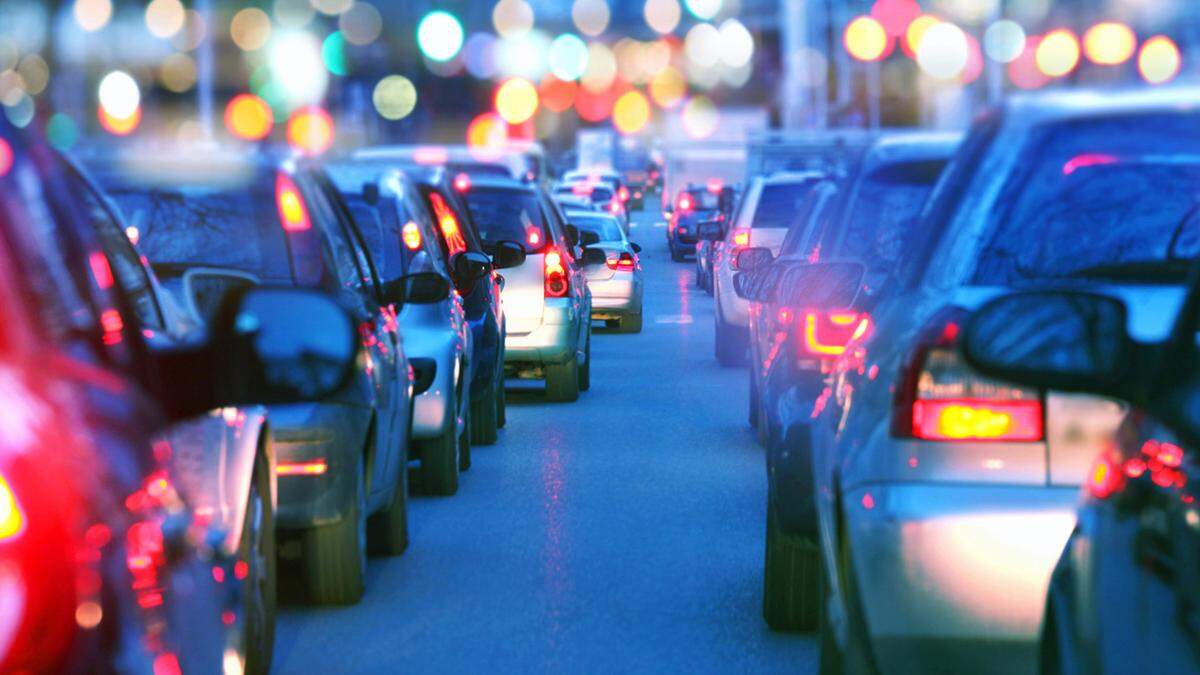
Is it illegal to change lanes in an intersection in California?
Changing lanes in the middle of an intersection is not illegal, but it is not recommended, the California Department of Motor Vehicles officials told The Sacramento Bee in August.
“The California Driver Handbook recommends staying in one lane as much as possible,” the DMV said. “Do not weave in and out of traffic, as last-minute lane or direction changes may increase the risk of collisions. Once you start moving through an intersection, keep going.”
California Vehicle Code 22107 prohibits unsafe lane changes.
Drivers must signal and ensure it’s safe before making a lane change, the code says.
“It is recommended that you stay within your lane when you reach 100 feet of an intersection,” Officer Patrick Seebart, a spokesman for the California Highway Patrol, wrote in an email to The Bee. “Complete your move through the intersection and then make your lane change.”
Can I get a ticket for switching lanes at a crossroads?
Seebart said you can be ticketed for changing lanes in the middle of an intersection on a two-lane highway, or a road with one lane in each direction, for violating California Vehicle Code 21752.
California Vehicle Code 21752 says it is illegal to go into another lane within 100 feet of or while going through a crossroads.
In October, CHP Officer Margarito Meza told The Bee that drivers should only switch lanes when it is safe to do so.
“It is recommended to merge one lane at a time to be safe and considerate to other drivers,” Meza said.
Meza said a driver can be cited by law enforcement for an unsafe lane change, in accordance with the vehicle code, if it affects other drivers.
How do I make a safe lane change while driving?
According to the California Driver Handbook, drivers should only change lanes when there is enough space to safely merge into the next lane, allowing for at least a four-second gap between vehicles.
“Stay in one lane as much as possible,” the handbook says. “Do not weave in and out of traffic.”
When changing lanes, Seebart said drivers should use the SMOG technique:
- Signal (your intention to move)
- Mirror (check rear and side view mirrors for traffic to the rear)
- Over-the-shoulder check (for traffic to the side and slightly behind)
- Go (make your lateral movement)
This story was originally published July 31, 2024 at 6:00 AM with the headline "Can I get a ticket for switching lanes in an intersection? Here’s what California law says."