
You won’t see a snowy owl in Sacramento, but here are the birds you’ll see during winter
A snowy owl in Southern California is pretty fly, but it’s not likely you’ll see one in Sacramento.
One particular snowy owl made an unlikely trip the city of Cypress where it alighted on the chimney of a home on Tuesday afternoon, according to the Associated Press. Bird watchers and photographers gawked at this exotic creature; snowy owls are not native there. The only place in North America you are likely see a snowy owl is northern Canada, and it is uncommon to see them as far south as the United States, according to the National Audubon Society.
“Winter is a magical time for birds in Sacramento,” said Paul Miller, president of the board of directors for the Sacramento Audubon Society, via email. “Every year thousands of migratory birds return to the greater Sacramento valley.”
Here is a list of birds you can see in Sacramento during the winter and where to find them:
Sandhill cranes
The sandhill is one of the largest migrating North American cranes, according to the National Audubon Society. They were once common breeders in the Central Valley, but their populations declined drastically due to unregulated hunting and habitat loss during settlement of the region.
They can be found on grainfields or prairies during migration and in winter, according to Audubon. The best viewing by car is at the Cosumnes River Preserve. The Audubon Society suggests driving during the day west of Franklin Boulevard, along Desmond Road, and beside Bruceville Road just south of Twin Cities Road.
“On a recent Sacramento Audubon birding trip I led to the Cosumnes River Preserve I photographed a very approachable Sandhill Crane with a leg band,” Miller said. “Turns out the bird was banded in Modoc County 36 years ago.”
The bird was too young to fly when banded in 1986, according to documents sent to Miller.
Ruby-crowned kinglet
The ruby-crowned kinglet, according to the National Audubon Society, is hard to see during the summer, but it commonly breeds in and around Sacramento during the winter.
Its diet is primarily small insects, including small beetles, flies, leafhoppers, true bugs and caterpillars. It usually nests in spruce or other conifers. Those nests can be about 40 feet above ground all the way up to 90 feet or very low in far northern forests where trees are short.
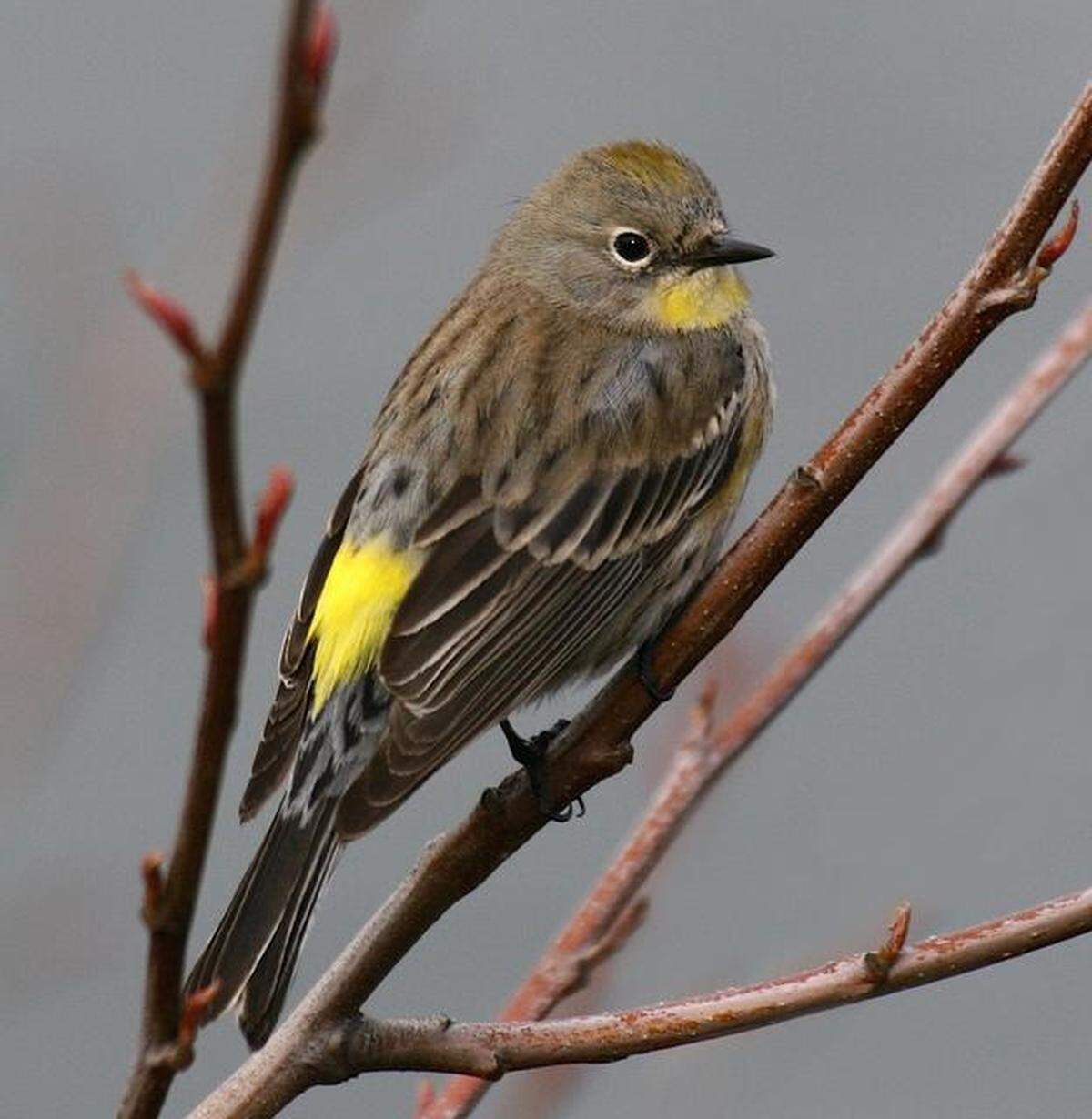
Yellow-rumped warbler
One of Audubon’s best-known warblers, this bird flashes its trademark yellow rump patch as it flies away. Other warblers migrate to the tropics in fall, while this one can live on berries and remains as far north as Seattle for the winter.
It is the main winter warbler in North America, and its nest can be found 4-50 feet above ground on a horizontal branch away from the trunk of a conifer, sometimes in a deciduous tree or in a fork where a branch meets the tree trunk.
Sparrows
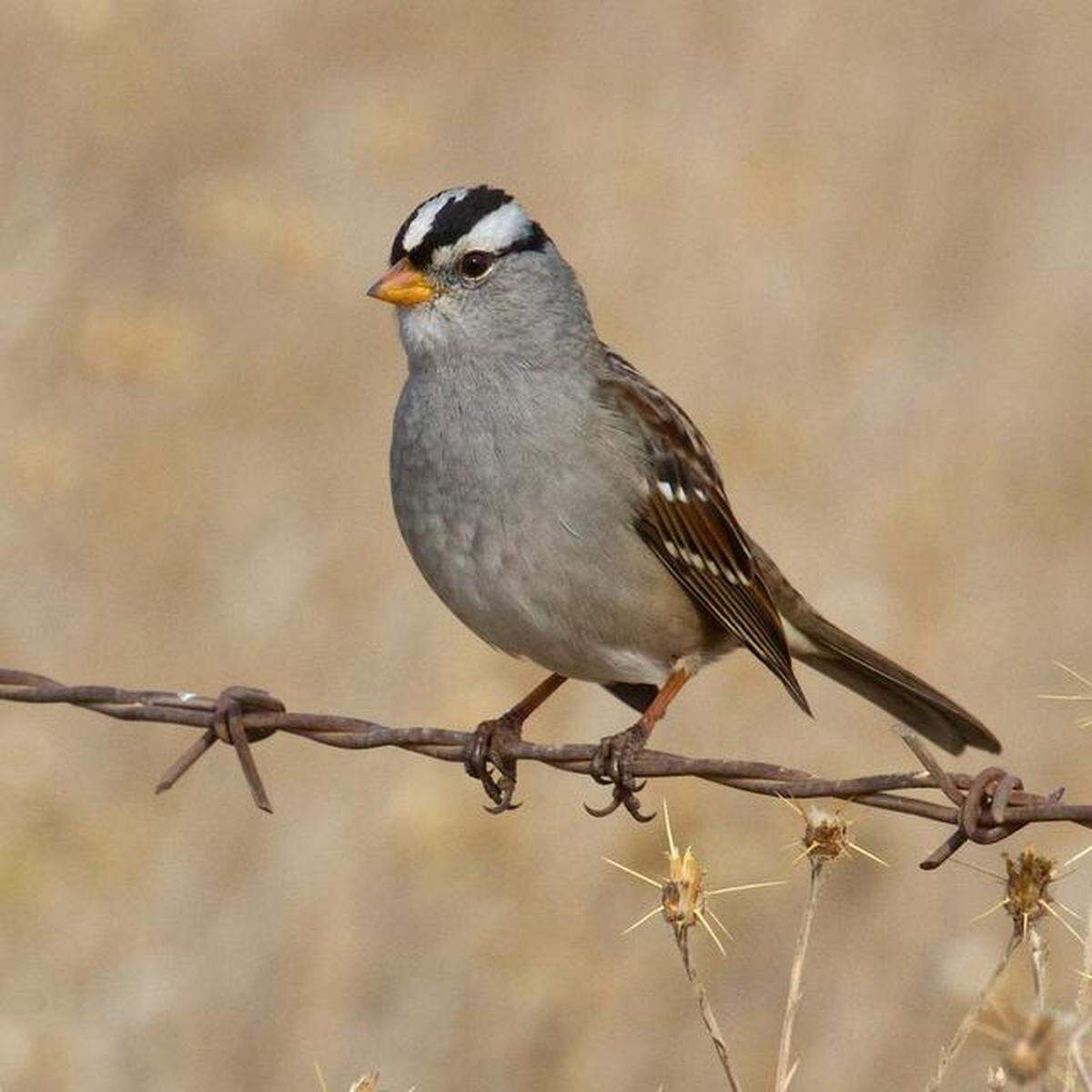
There are three types of sparrows you can see in the Sacramento area during the winter, the Sacramento Audubon Society says. That is the golden-crowned sparrow that forages on the ground under dense thickets in equal numbers to white-crowned sparrows. The third you’ll often see in the winter is the Savannah sparrows, often perched on weeds or fence wires.
American pipit
Flocks of American pipits are most common during migration and winter. The female-built nests are found on the ground in a sheltered spot, usually protected under overhanging grass, a small rock ledge or a piece of sod.
Coastal birds
The following stay close to the west coast during migration season.
The Herring Gull in Sacramento’s winters nests on the ground with grass, feathers and even debris. Look for them next to objects such as shrubs or rocks, which protect from the wind.
The dunlin is called that because it means “little dun-colored bird,” a grayish-brown, according to the National Audubon Society. Males can be seen in display flight, circling slowly over their breeding territory, simultaneously fluttering, gliding and singing.
This story was originally published December 30, 2022 at 12:22 PM with the headline "You won’t see a snowy owl in Sacramento, but here are the birds you’ll see during winter."