
WWII veteran Jack Schwartz, captured days after Pearl Harbor attack, lived to be 103
Jack Schwartz of Hanford was still working at age 102.
The community-minded veteran’s last civic service was serving on his city’s parks and recreation commission into last year.
Schwartz once told his son that he retired at age 65 because he assumed nearly four years spent as a prisoner of war during World War II shortened his life. He wanted more time to enjoy life before the end.
He would get 38 years of a robust, active retirement.
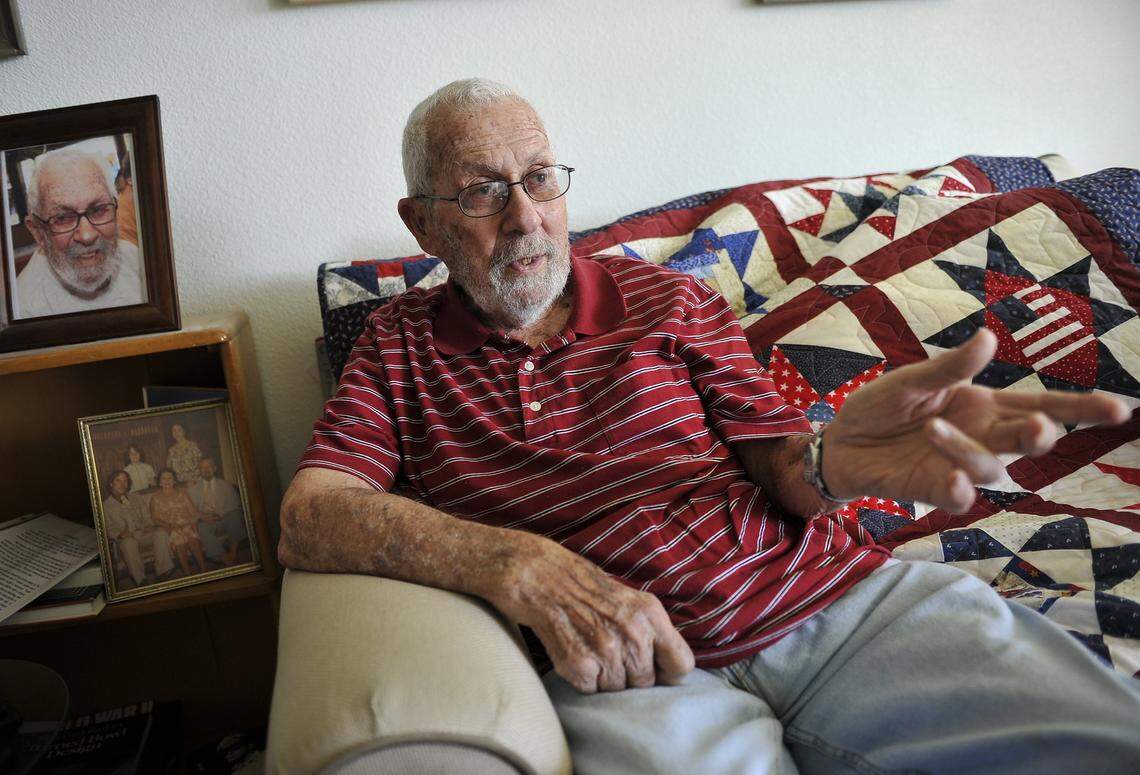
Schwartz died Nov. 7, 2018 at the age of 103. He was one of the oldest, and longest-serving, former POWs from WWII.
He was living independently until he was admitted to the hospital two days before he died.
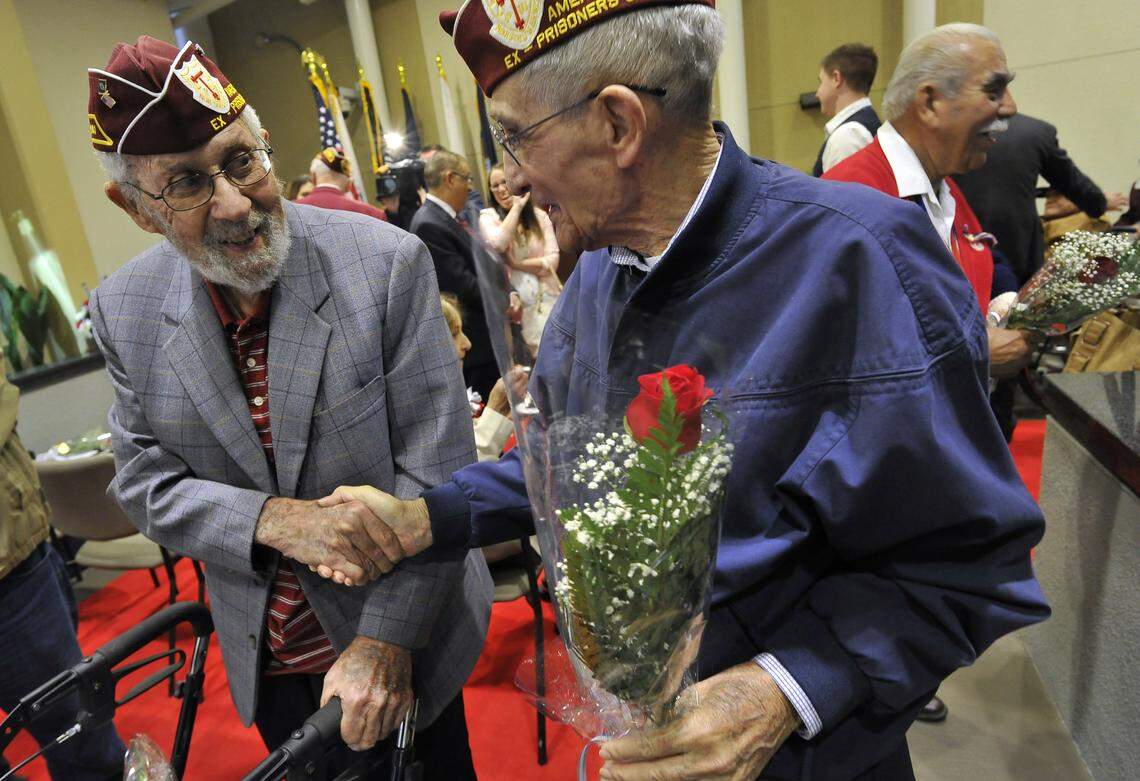
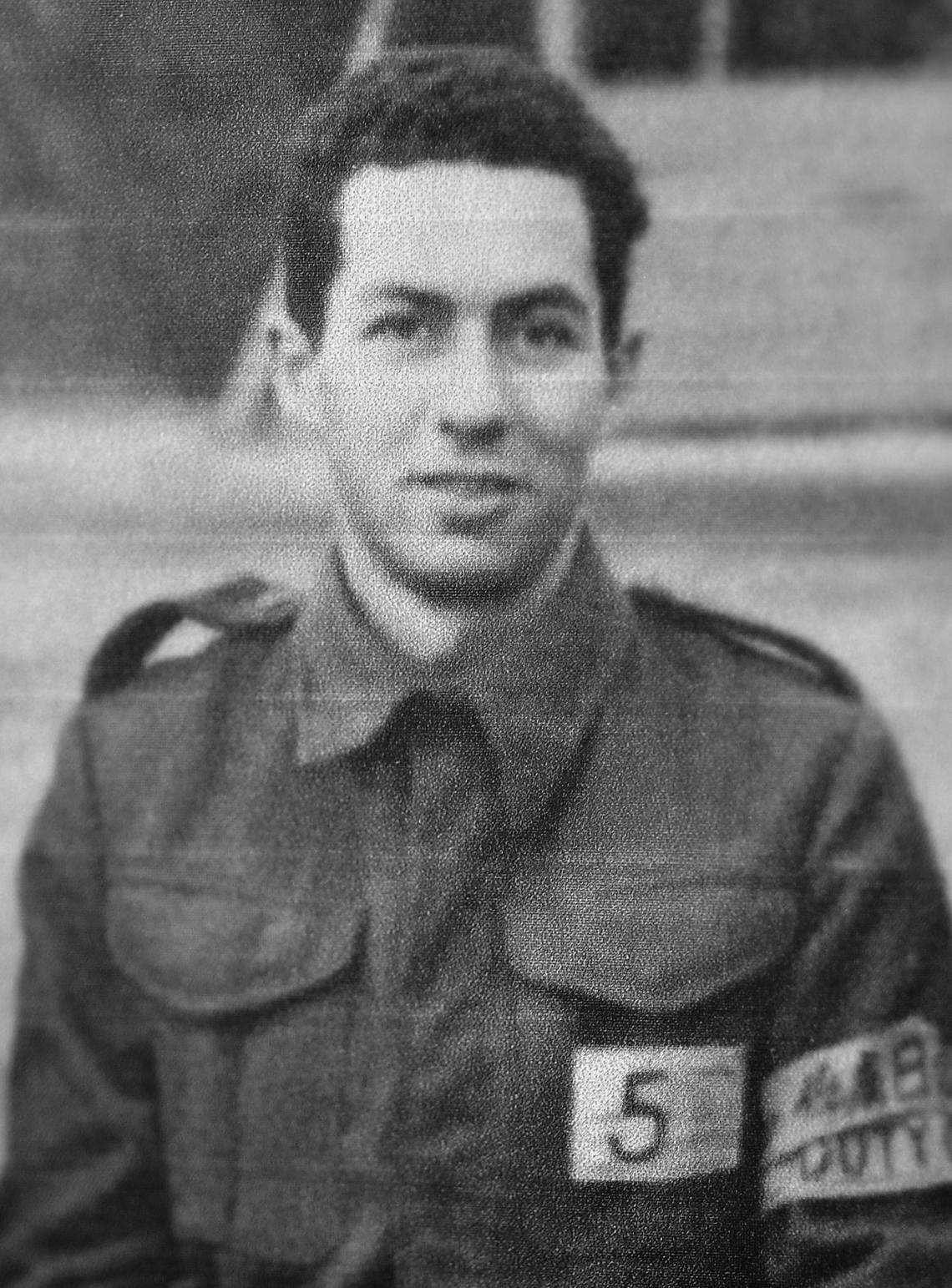
The Navy veteran was captured by the Japanese army in Guam on Dec. 10, 1941 – three days after the attack on Pearl Harbor. Schwartz remained in several prisoner of war camps in Japan until September 1945, when he was liberated by the U.S. Army.
“He was a very generous person,” said Vern Schmidt, commander of the Fresno Chapter of the American Ex-Prisoners of War. “I can’t say enough good about Jack.”
In 2014, Schwartz returned to the country that imprisoned him with six other POWs on a trip organized by Japan’s foreign ministry.
“Here they are, saying, ‘Let’s be friends again,’ ” Schwartz told The Bee after that trip. “What the heck, these people weren’t involved two or three generations ago.”
As a Naval officer, Schwartz’s experience in the camps wasn’t as harsh as other POWs, but it still wasn’t devoid of violence.
“He was a senior officer in charge with no authority, but responsibility for anything that happened,” his son, Jack Schwartz Jr., recalled. “And as a senior officer, several times he was brought in front of the camp and beaten by camp guards.”
His son said his father never saw torture in the camps, but was once lined up in front of a firing squad after refusing to sign documents agreeing not to try to escape. At gunpoint, Schwartz agreed to sign those papers.
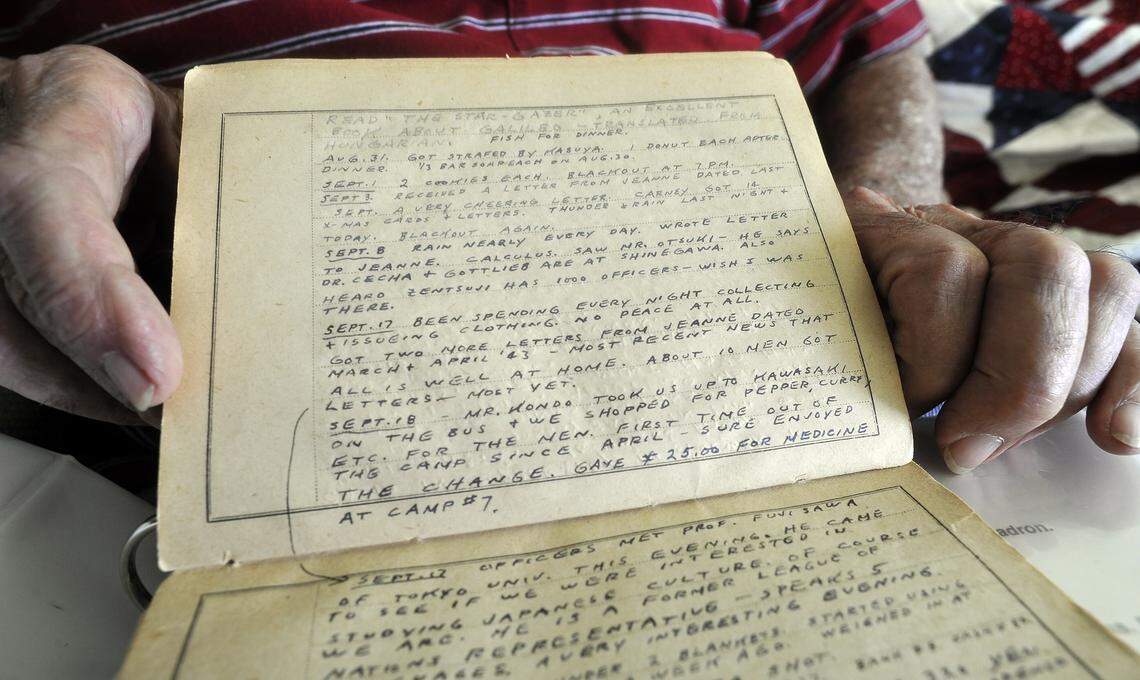
Otherwise, in the prisoner of war camps, Schwartz raised rabbits, tended to a garden, made macramé – fabric art created using knotting techniques – and wrote in his diary. One entry, dated March 8, 1942, reads: “Bath today. Noodle soup, no rice. Studied radio. Read Bible. Played chess. Feet OK.” His son said the entry is similar to others he wrote.
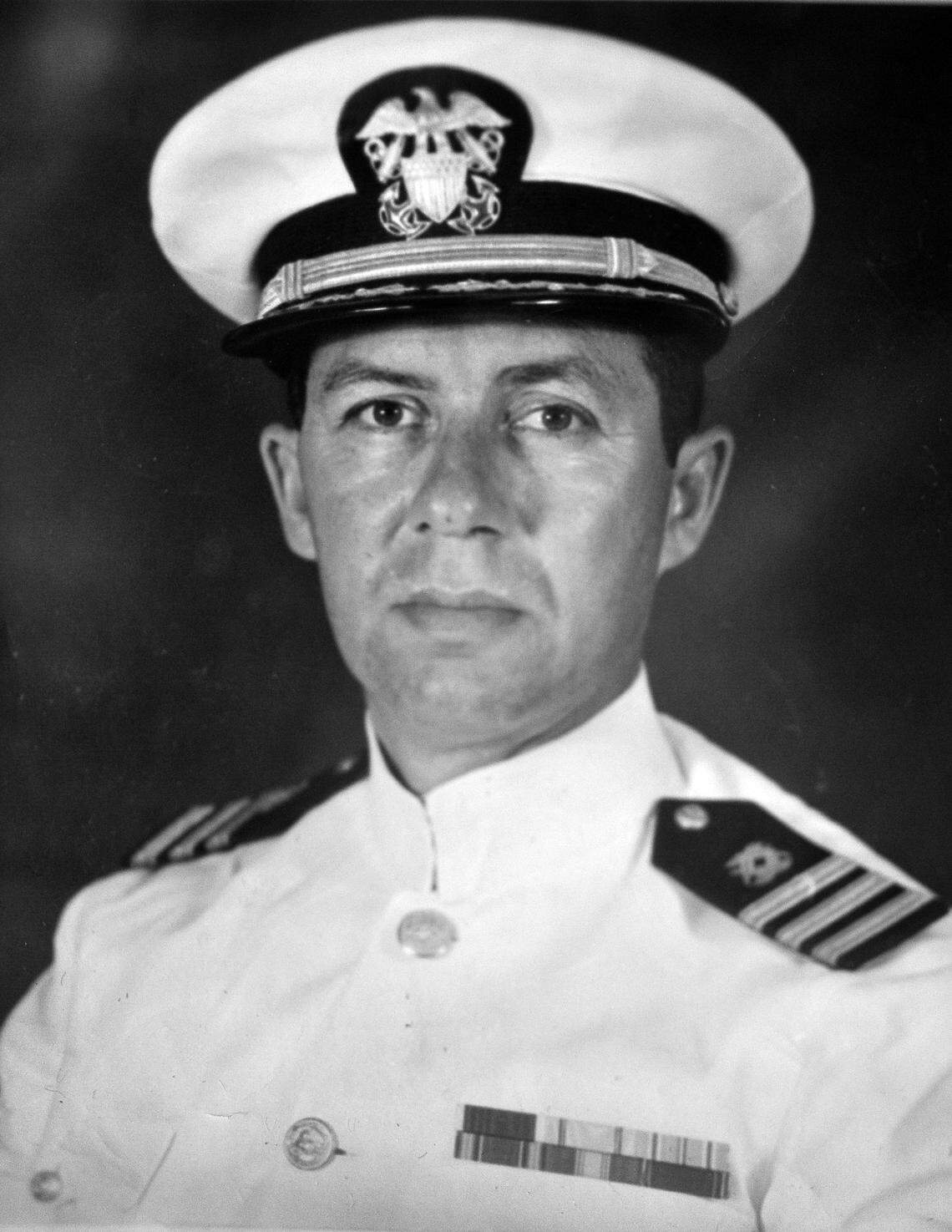
To pass the time, he also taught calculus in the camps. Schwartz joined the Navy in 1940 as a lieutenant junior grade in the U.S. Navy’s Civil Engineer Corps after earning bachelor’s and master’s degrees in civil engineering from the California Institute of Technology.
“He considered himself to be the luckiest POW,” Jack Schwartz Jr. said. “But he did suffer from malnutrition and had lifelong infirmities because of his life as a prisoner.”
Schwartz was last held in a prisoner of war camp in the mountains above Tokyo, where he was left following Japan’s surrender. The men were rescued several weeks later after a B-29 pilot spotted a “POWs” message that someone painted on the camp roof.
Schwartz continued to serve in the Navy after WWII.
“He was very even keel,” his son said. “He didn’t let the little things bother him. He had a hell of a sense of humor and he loved to write.”
Schwartz wrote a manuscript that was never published comparing WWII coverage from Japan and America, using English-language newspapers printed in Japan during the war that he collected.
“Everyone likes to report they are winning,” Schwartz told The Bee.
He met the love of his life, Jeannette, and her daughter, Joan, in 1954 while stationed in Key West, Florida. Schwartz and Jeannette were married shortly thereafter and gave birth to a son, Jack, in 1955. Schwartz was last stationed in New Mexico, where he worked as an engineer on underground nuclear tests in Nevada. He retired from the Navy in 1962 as a commander.
Schwartz then moved to Hanford, where he worked as city engineer and public works director from 1962 to 1980.
He was responsible for many upgrades to city facilities, including the conversion of solid waste burning dumps to modern landfill and transfer stations. His son said one of his father’s proudest achievements was the design and construction of Hidden Valley Park in Hanford.
“Jack didn’t suffer fools,” said John Zumwalt, a civil engineer in Hanford. “If you were full of hot air, he didn’t have much patience with you.”
Zumwalt added, “I never met a soul that did not admire him.”
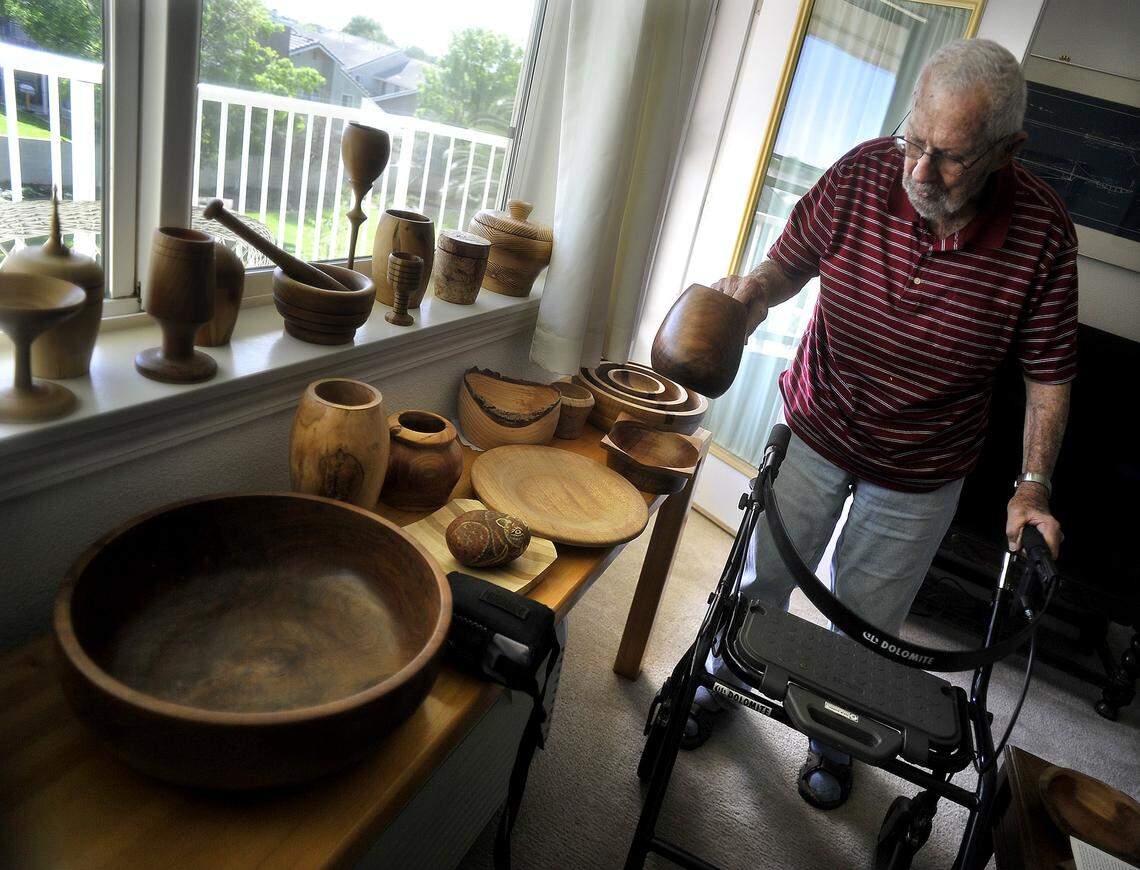
A favorite hobby was woodworking, and Schwartz donated many of the wooden bowls, platters and goblets he made as raffle prizes to raise money for the Fresno Chapter of the American Ex-Prisoners of War.
Schmidt described Schwartz as a “very modest, humble guy” who “never complained and never really elaborated” about his time as a POW.
“He said, ‘They knocked me around a little bit, but I survived,’ ” Schmidt recalled, “and that’s kind of the way he lived. … He had a very positive attitude.”
Jack William Schwartz
Born: April 28, 1915
Died: Nov. 7, 2018
Residence: Hanford
Occupation: Retired Navy commander, city engineer and public works director
Survivors: Son Jack Schwartz Jr. and his wife, Diane; grandsons Michael and John Colin; stepgranddaughter Christina Pegues and her son, John Ryan.
Burial: 1:30 p.m. Nov. 30, San Joaquin Valley National Cemetery, 32053 W. McCabe Road, Santa Nella
Celebration of life service: 11 a.m. Dec. 1 at the Woods Family Barn, 2557 E. Conejo Ave., Selma
Remembrances: In lieu of flowers, donations can be made to Fresno Chapter of the American Ex-Prisoners of War, Commander Vern Schmidt, 315 E. Nees Ave. #104, Fresno CA 93720-2013; or Sequoia Lake YMCA Camp Redwood Capital Fund, 320 N. Akers St., Visalia CA 93291
This story was originally published November 16, 2018 at 3:46 PM with the headline "WWII veteran Jack Schwartz, captured days after Pearl Harbor attack, lived to be 103."