How Stanislaus nonprofits are thinking outside the box to help during COVID-19
Local nonprofits must innovate and collaborate to succeed during the coronavirus pandemic and maximize their reach across Stanislaus County, organization leaders said during a Friday webinar.
The event, hosted by the Stanislaus Community Foundation, featured data from the foundation’s new report based on a survey of local nonprofits and their experiences during the pandemic. The findings were accompanied by comment from leaders of individual nonprofits across the area, from food banks to resource centers.
SCF’s survey was sent to local nonprofits between August and September, and the collected data seeks to help inform local partners on how to prioritize funding and assistance to organizations working to respond and adapt their operations to the pandemic.
Sixty-six organizations were interviewed, with services provided primarily in human services, youth services and housing. Amanda Hughes, SCF’s chief strategy officer, said over 70% of the surveyed nonprofits have a staff of 20 or fewer, and about a third have 10 or fewer.
According to the report, 48% of nonprofits have had to cut staff due to the pandemic, and the same percentage reported a decrease in the number of clients they were able to serve.
“They’ve experienced a dramatic shift in their operations while at the same time experiencing a dramatic increase in the need for their services,” Hughes said. “But with less staff, it makes it a lot harder to respond to that need.”
Over 80% of nonprofits have decreased their fundraising events, which Hughes said are a critical source of income. Over half the organizations said they’d had a decrease in earned revenue, as well as fewer contributions. They’re making up for this lack of events with an increased reliance on digital fundraising through webinars, social media campaigns or direct donations through their websites.
Still, some nonprofits found relief. Of those surveyed, 61% applied for relief through the federal Paycheck Protection Program, which awarded small businesses loans to cover payroll and other expenses. SCF found that 57% of applicants received PPP funding. Locally, funding was made available through the SCF-led Resilient Stanislaus Fund, which sent initial grants to the county’s Small Business Relief Program, totaling $150,000, and 24 local nonprofits, totaling $100,000.
The foundation also assisted the county in allocating $2 million in grant funding for youth, arts and culture-focused nonprofits, among other efforts.
Jason Conway, the executive director of Modesto Gospel Mission, said the PPP loan was a “blessing” for his organization. He said navigating through the pandemic’s early stages has been a “journey,” and groups like SCF have helped the mission overcome challenges.
“I want to applaud the community,” he said. “We couldn’t have done this without the community.”
Providing essential services
SCF found the most pressing needs of clients are housing support, childcare, financial assistance to pay bills, coronavirus testing and assistance with technology for lower-income students. More than one third of local nonprofits, they found, are providing cash assistance to local residents, usually in a range of $75 to $2,500.
Susan Mendieta Beasley, the executive director of the Parent Resource Center, said the pandemic placed extra stress on parents who needed to become teachers to their children whose schools had moved online as social distancing measures shuttered their doors in the spring. Additionally, Mendieta Beasley said many parents had their own work hours cut.
The coronavirus crisis kept adding “layers of complexity” to daily life, she said.
She said her organization was focused on supporting families through issues large and small — from direct financial support to assistance in filling out unemployment paperwork — and providing a network of assistance to help them manage an uncertain time.
Mendieta Beasley said partnerships between organizations were key in helping the Parent Resource Center serve its clients. A partnership with other family resource centers across the state allowed the group to receive grant funding, and the Parent Resource Center itself was supported by United Way in Stanislaus County.
Helping staff help the community
In addition to providing community members with services through their nonprofits, panelists shared the importance of maintaining the health and well-being of their own staffs. SCF’s survey found that 43% of surveyed organizations were seeking staff mental health support, both for those now working remotely and staff members who have to stay on-site and follow strict new protocols.
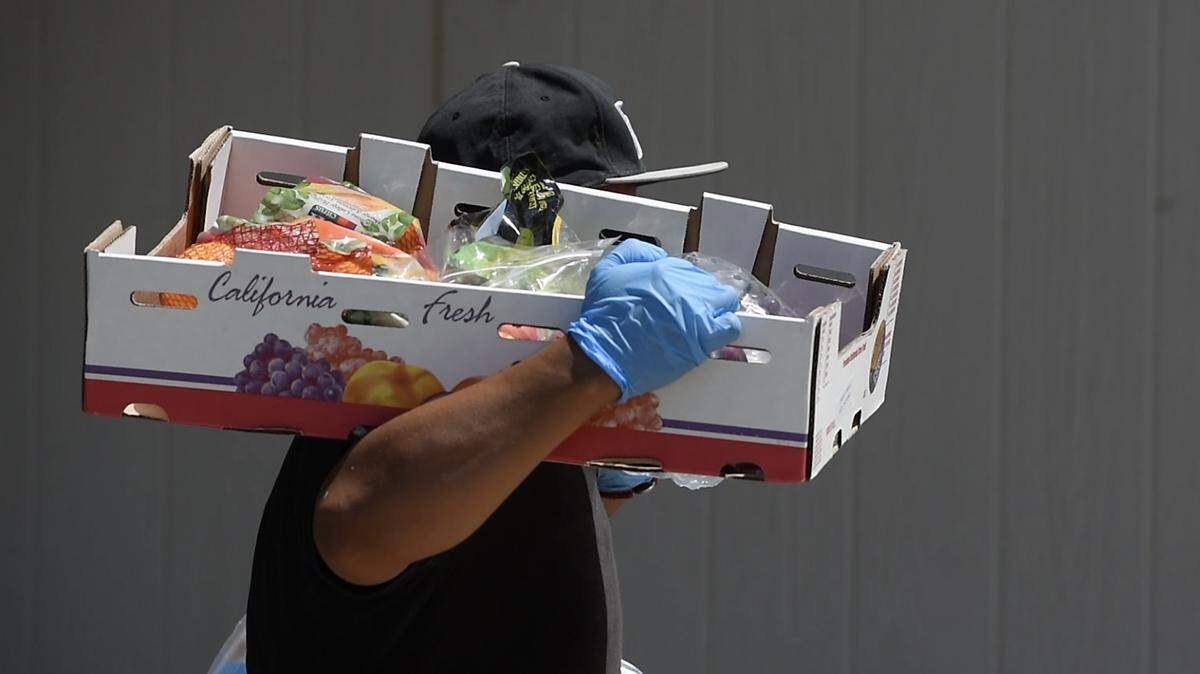
Keenon Krick, the CEO of Second Harvest Food Bank of San Joaquin & Stanislaus Counties, said his staff — which is partially working from home, and partially on-site as they distribute food to families in need — have been working increased hours since the pandemic hit in March and distribution went up to 300%. Krick said identifying employee assistance programs was critical to supporting his staff, and ensuring they were in turn able to best serve the communities they work with.
Prior to the pandemic, he said, Second Harvest was distributing about 280,000 pounds of food a week. Now, it’s up to 400,000, which he said equates to about 12 million meals since March.
Hughes said that for SCF, the data made clear that the pandemic is impacting nonprofits differently depending on “where they sit and what types of services they provide.”
Craig Orona, the president and CEO of the Boys & Girls Clubs of Stanislaus County, said the coronavirus has forced local organizations to actively search for new solutions, but that the shared experience of the pandemic has resulted in increased innovation and a willingness to experiment.
“When was the last time you could think of a major issue (like the one) we’re facing that actually affects the whole entire world at the same time?” Orona asked. “That has resonated in our conversations, our willingness to do things outside the box to help each other.”
This story was produced with financial support from the Stanislaus Community Foundation, along with the GroundTruth Project’s Report for America initiative. The Modesto Bee maintains full editorial control of this work.
To help fund The Bee’s economic development and children’s health reporters with Report for America, go to https://bit.ly/ModestoBeeRFA