Snowpack is at just 63%, but water district plans full deliveries. Here’s why
AI-generated summary reviewed by our newsroom.
- Turlock Irrigation District plans full supplies despite 63% snowpack.
- Don Pedro at 116% and near‑average lower basin rain sustain TID supplies.
- Some agencies face deep cuts; junior CVP contractors may receive ~15%.
The Turlock Irrigation District will have full supplies this year despite the below-average snowpack in its watershed.
The district staff laid out two reasons Tuesday: Rain has been adequate in the lower portions of the Tuolumne River basin, and storage is above average in Don Pedro Reservoir thanks to recent wet years.
TID supplies about 149,000 farmland acres in Stanislaus and northern Merced counties. It also sells river water to the cities of Turlock and Ceres to ease their reliance on wells.
The Modesto Irrigation District, which also taps the Tuolumne, has not set its 2026 allotment. It has about 58,000 acres in agriculture and is part of the city of Modesto supply.
The below-average snowpack statewide has varying effects on water agencies. TID and MID fare better thanks to senior river rights and Don Pedro’s vast size. The same goes for the Oakdale and San Joaquin irrigation districts on the Stanislaus River. They have priority for water in New Melones Reservoir. The Merced Irrigation District is a senior user of Merced River water in McClure Reservoir.
Parts of Valley get just 15% of water
Some agencies in the region can expect just 15% of their contracted amount this year from the federal Central Valley Project. They have junior rights to the water, which is pumped from the Sacramento-San Joaquin Delta and subject to fish protections.
The largest of these customers by far is the Westlands Water District, west of Fresno. General Manager Allison Febbo commented in a Feb. 26 news release.
“Our farmers are among the most efficient water users in the world,” she said in the release. “Yet year after year, unreliable water supplies due to a broken water system and rigid water management regulations have led to fallowed farmland, lost jobs and increased reliance on groundwater.”
The CVP will deliver 100% of the water to four irrigation districts with older rights between Crows Landing and Mendota. They get this under a 1939 agreement to give up their direct diversions from the San Joaquin River.
The parties are the Central California Irrigation District, San Luis Canal Co., Firebaugh Canal Water District and Columbia Canal Co. They are known as the San Joaquin Exchange Contractors and are now supplied by the CVP’s Delta-Mendota Canal.
How TID decided on full deliveries
The TID board heard about the current conditions from Olivia Cramer, manager of water and power resource planning.
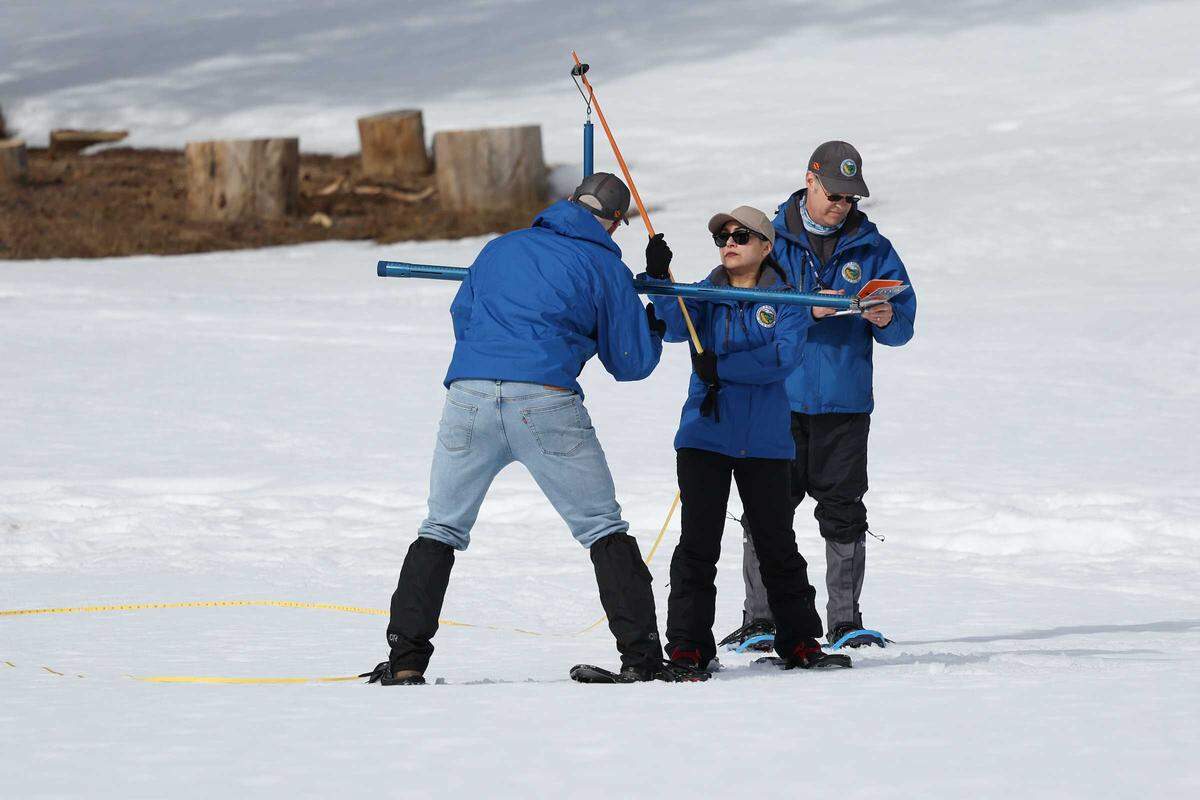
She said the snowpack was 63% of average at the automated sensors in the Tuolumne watershed. But total precipitation was at 95% thanks to rain at lower elevations.
Cramer also reported above-average soil moisture, which means less seepage and more runoff into Don Pedro. That reservoir was at 116% of the historical average for this date.
TID gets about two-thirds of Don Pedro’s water under agreements dating to the 1887 founding of both it and MID.
The Turlock district’s irrigation season will run from March 12 to Oct. 28. Storms at either end could alter that.
TID’s rates start with a flat fee of $60 per acre each year. Actual use is measured by the acre-foot, enough to cover an acre of land a foot deep.
Tuesday’s board vote was for up to four acre-feet per acre over the season, at $3.23 each. Farmers can get even more in autumn to aid groundwater recharge in the area, at $20 per acre-foot.
Water also for nearby farmers
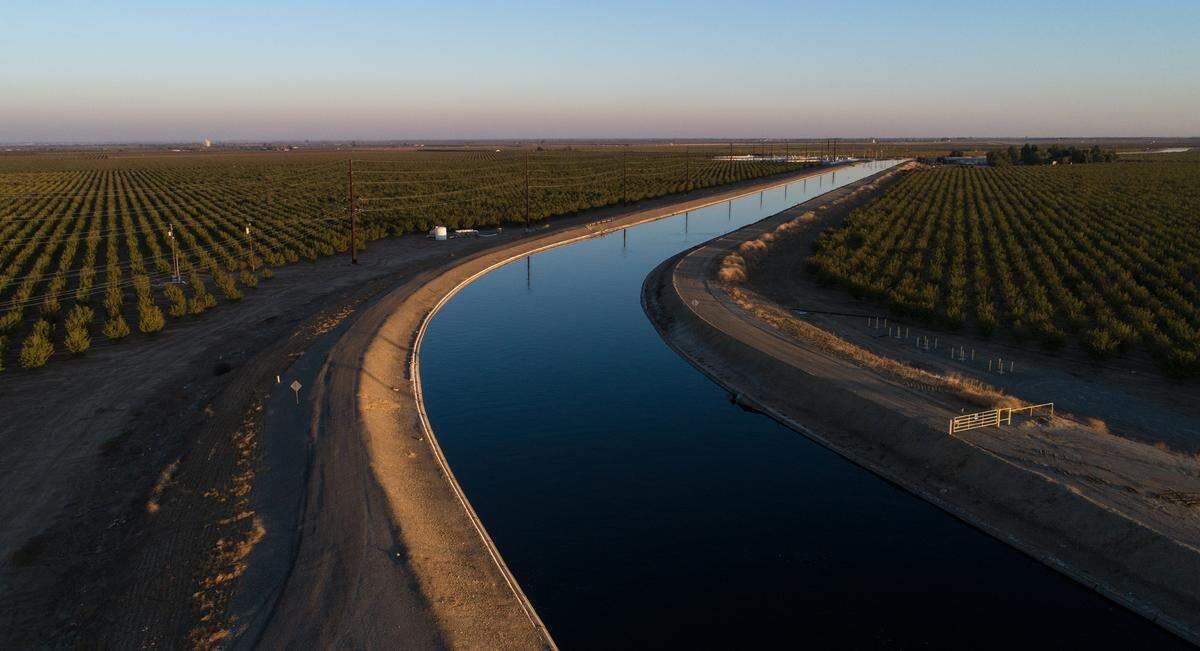
The board also approved the sale of water just outside the TID boundaries, also to relieve stress on the aquifer. These farmers will pay $50 per acre-foot.
TID expects to deliver a total of 543,488 acre-feet for irrigation this year, said Wes Miller, director of water operations. This is after required releases of 99,690 acre-feet from Don Pedro to aid fish in the lower Tuolumne.
The reservoir will continue to add volume into early summer due to snowmelt and other runoff. TID projects a carryover of 683,493 acre-feet, a cushion in case 2027 is dry.
It takes a few below-average years for both TID and MID to have major cutbacks. They delivered only about 40% in 2016, the end of a four-year drought. These and other parts of California got abundant storms in 2017, 2019 and 2023.
This story was originally published March 4, 2026 at 2:30 PM.