What can laid-off cannery workers expect as Del Monte shuts down in Modesto?
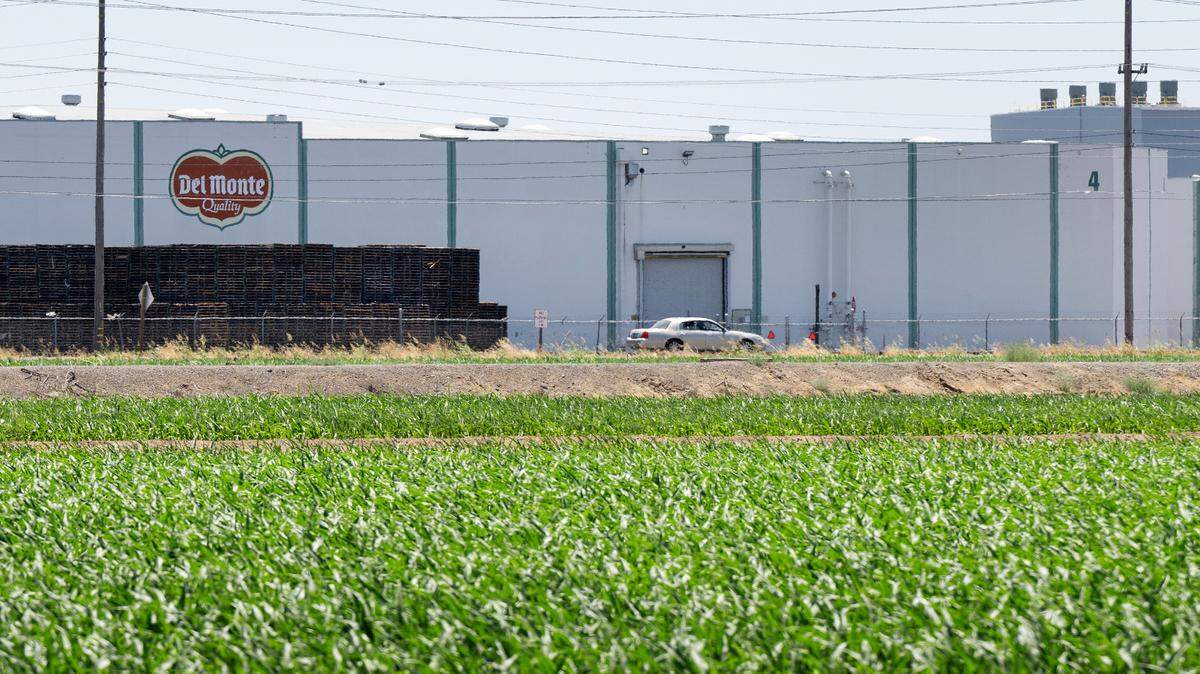
A relatively strong job market awaits the 1,800 or so people displaced from the Del Monte Foods fruit cannery in Modesto.
But the closure of the plant is a blow to the local economy, which remains grounded in processing food and beverages, drawing income from consumers around the world.
Del Monte had filed for bankruptcy July 1. An auction for this and other operations in the United States and Mexico ended Thursday. No one offered to keep the massive Yosemite Boulevard plant running.
It had about 600 year-round workers and about 1,200 more during the canning from early summer to early fall. They processed mostly peaches, along with apricots and pears, grown in Stanislaus and nearby counties. They made about $20 to $40 an hour as part of the Teamsters union.
The affected people can get help from Stanislaus County Workforce Development, county Chief Executive Officer Jody Hayes said via email Friday. This includes landing similar jobs elsewhere or training in new fields.
“Over the years, the company has provided employment to thousands of local residents,” Hayes said, “and the loss of an anchor employer creates a ripple effect felt well beyond the facility itself.”
Alicia Ann Chambers, part of the plant’s maintenance staff, reacted in a Facebook post: “Breaks my heart to hear the news of Del Monte officially closing. I’ve poured my heart and sweat into my job because I loved it and took pride in my work ...”
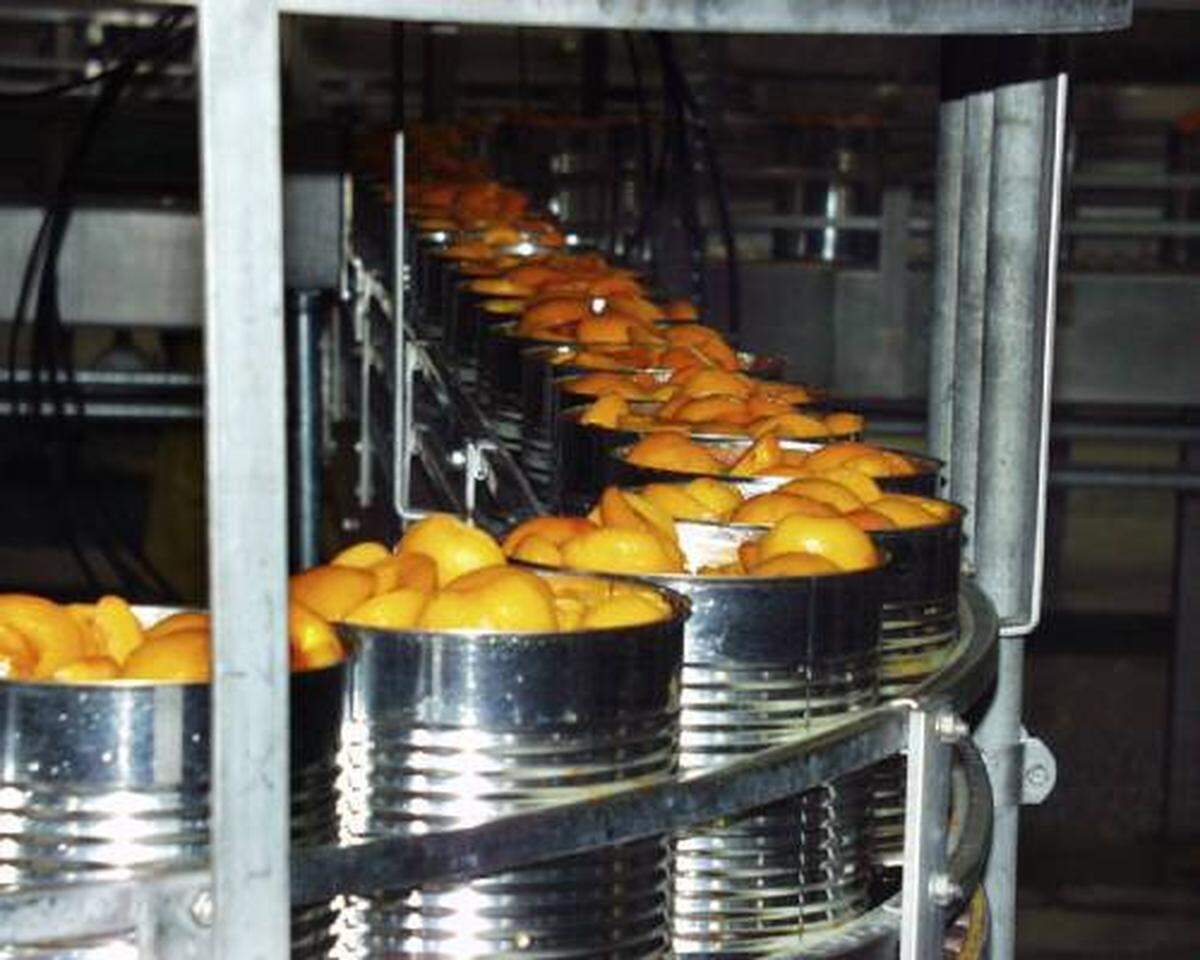
The shutdown leaves only one fruit canner in the region: Pacific Coast Producers in Lodi. It did not bid to run the Del Monte plant in the bankruptcy auction. It did pay $82.2 million for the warehoused products from earlier harvests, to be sold under the Del Monte label.
This was the county’s largest single layoff since 2018, according to a 2022 report from local partners. Eight years ago, 1,975 people lost their jobs at Seneca Fruit Co. in Modesto. It, too, was a cannery, a declining business due to shifting consumer tastes.
Other big losses also were in the food sector: The 2006 closure of Signature Fruit Co., another cannery, took 1,190 jobs. Patterson Frozen Foods shut down the following year, cutting 633 jobs in the West Side city.
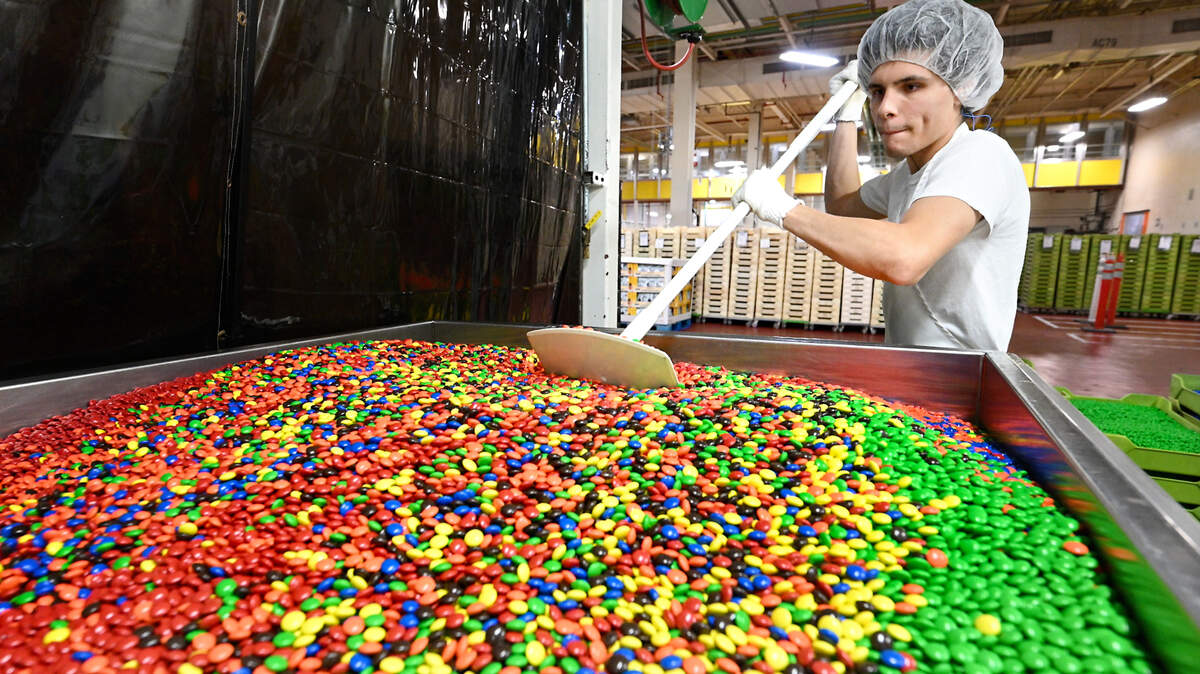
Also in 2007, Hershey closed its 575-employee candy plant in Oakdale and moved to Mexico. The plant was sold to Sconza Chocolates, which now has a staff of about 250.
The county has added many jobs in other sectors, such as health care, education and retail. But they are mostly secondary effects of the income brought in by food processing.
The countywide jobless rate stood at just 6.7% in November, in the latest report from the California Employment Development Department.
The highest monthly rate over the past two decades was 18.6% in February 2010. The home construction industry had all but disappeared after the mortgage crisis of 2008.
The jobless rate dipped as low as 4.9% in September 2019. COVID-19 then catapulted it to 17.2% the following May. No similar shocks have hit the county or nation since.
What happened to canned-fruit industry?
Canned fruit had its heyday about half a century ago, employing several thousand people in Modesto alone. The 2000 bankruptcy of Tri-Valley Growers, the largest player in the Central Valley, left many plants empty.
About 25 years ago, Del Monte canned 6,000 to 7,000 tons of apricots a year, West Side grower Daniel Bays said Friday. It stood at 465 tons last year, said Bays, president of the Apricot Producers of California.
“As apricot growers, we knew the future with Del Monte was shaky and unstable and were hoping another group would come in and keep the plant operating,” he said.
Growers each year have contracts with canneries, specifying the volume and prices for the upcoming season. That helps cover irrigation, labor and other costs.
“Hopefully, the demand is still there for that fruit and it may be picked up by a freezer, dry yard, or it maybe it can go to fresh market,” Bays said. He added that much of Del Monte’s recent canning was for school lunches and federal nutrition programs.
The canning fruit zone is north of the main region for fresh products, from Madera to Kern counties. They abound with peaches, nectarines and plums in summer, followed by citrus in winter.
How are other ag sectors doing?
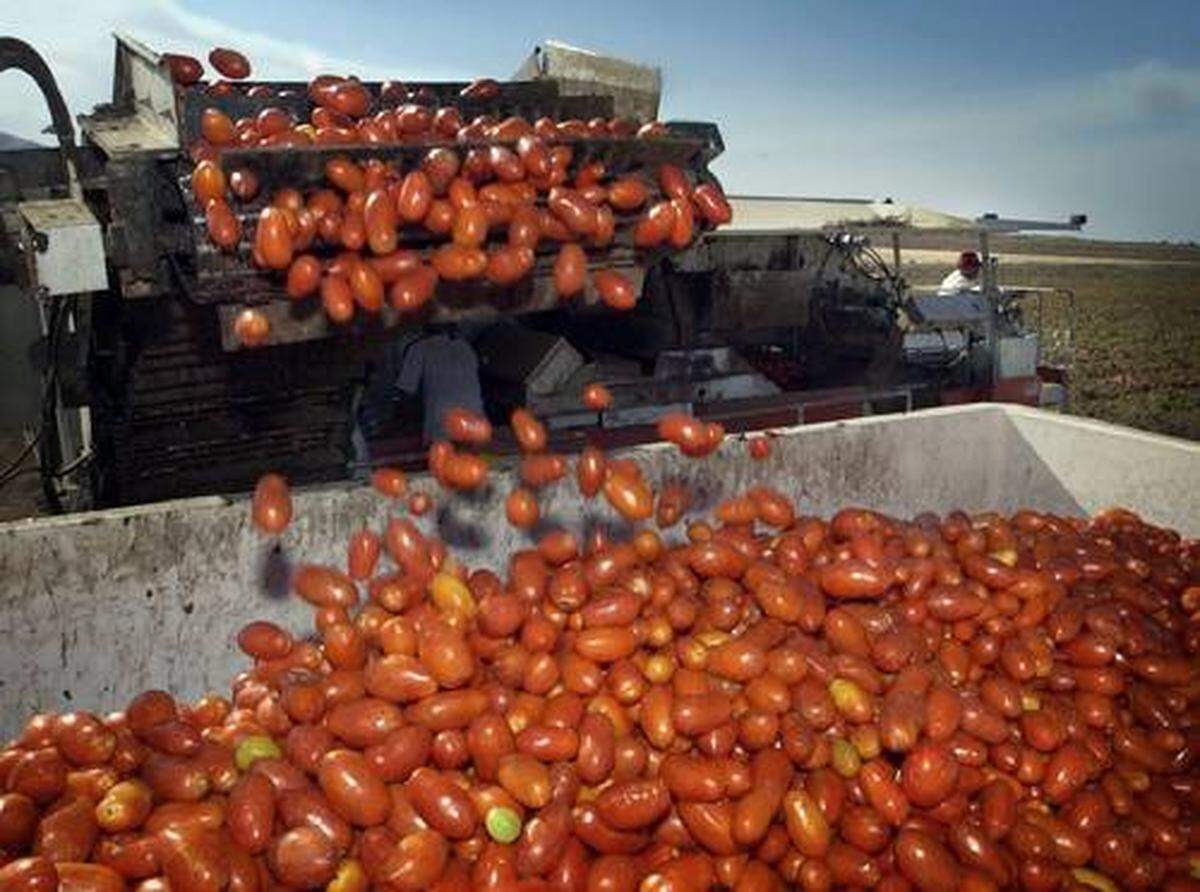
Tomato canneries have continued on, despite recent pressures from foreign competitors. The products are popular and versatile — salsa, pasta sauce and more. The harvest is mechanized, unlike the canning fruits.
The tomato plants include Stanislaus Food Products in Modesto, Escalon Premier Brands just to the north, ConAgra Foods in Oakdale and two companies near Los Banos.
Dairy continues to be among the Valley’s top farm products, despite prices that sometimes fall short of production costs. Almonds and walnuts also are big businesses even with the sluggish prices in recent years.
Poultry had a bout with bird flu, which hit especially hard at the egg supply. Last year’s closure of a Foster Farms turkey plant in Turlock put 519 people out of work. Diestel Family Farms, based near Sonora, bought the plant and will hire at least some of them.
Roughly half of the nation’s winemaking volume comes from Stanislaus and San Joaquin counties. The industry is in its own lull as it tries to figure out what younger drinkers want. Perhaps most painful was Bronco Wine Co.’s layoff of 227 people last year.
How soon might people find new jobs?
Opportunity Stanislaus — a nonprofit that focuses on economic development — offered to “do everything we can” for Del Monte’s laid-off workers, citing its 96% placement rate for job-seekers.
CEO Dave White noted that the unemployment rate is not as good as pre-pandemic levels and that workers were taking longer to find jobs. But, he was optimistic that his organization can help despite the recent hit the manufacturing sector in the area has taken.
“Whenever we’ve had a downturn, people eventually will find work,” White said. “It’s our responsibility to help them. It’s not like they’re going to be out of a job forever. Maybe the lead time will be a little bit longer, but these are hard-working, skilled employees, and there are opportunities out there.”
But White wasn’t coy about the immediate ramifications of Del Monte’s layoffs, saying, “It’s going to have a huge impact on the economy.”
He suggested workers consider “upskilling” to industries that are more in demand, such as automation, robotics and health care. Manufacturing is still in play for many workers, White said, but it’s “a mixed bag,” with some companies doing well but others not so much.
“Manufacturing is a tough industry in California,” said White. “It’s a highly regulated industry. It’s a high-cost state. So, it’s hard to make your way in manufacturing.”