MID and TID take a step toward capturing a lot more water from Tuolumne in wet years
The Modesto and Turlock irrigation districts hope to greatly increase their diversions in years when the Tuolumne River runs high.
Their boards voted Tuesday, Jan. 25, to submit a new water rights application to the state. The multi-year process could result in the districts building new storage above or below ground.
District leaders said the move was prompted in part by climate change, which has brought wilder swings between wet and dry cycles. They seek more storage from abundant years to help them through droughts in the decades ahead.
The storage projects could be costly, though details are not yet known. And some will likely draw protests from environmental and fishing groups.
The above-ground options include modestly enlarging Don Pedro Reservoir, already one of California’s largest, or building smaller reservoirs within a radius of about eight miles.
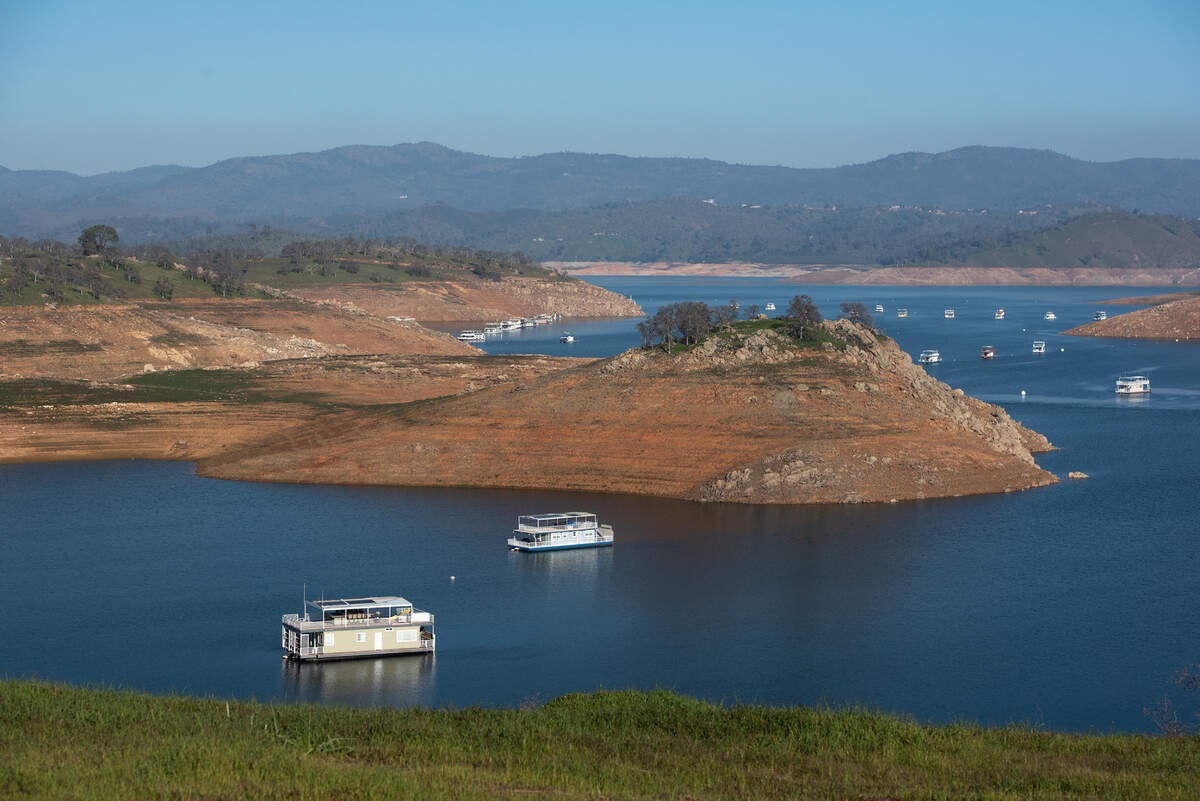
The districts also will explore a connection to nearby New Melones Reservoir on the Stanislaus River. It is even bigger than Don Pedro and could make water management more flexible.
Groundwater recharge could be done via flood irrigation on farms or by creating basins for this purpose.
The districts seek up to 2.7 million acre-feet of water in wet years, roughly triple the average consumption by farmers and city residents now.
MID and TID examined rain and snow runoff back to 1998 and found 13 years when at least some water would have been available under the rights they are seeking. The total averaged about 840,000 acre-feet in those years.
The districts said the application would not interfere with other Tuolumne rights holders, including San Francisco and riverside farmers.
“This historic action demonstrates our forward thinking in seeking all avenues of available water to sustain our customers, communities and environment,” MID board President John Mensinger said in a news release.
The 216-page application went to the State Water Resources Control Board, which oversees California’s complex system of river rights. It could take up to two years to gather public input and study the environmental impact of the request.
The same agency is already seeking higher release from Don Pedro as part of fish protections also involving the Stanislaus and Merced rivers. MID and TID said the extra water they seek to store could be released in ways that help fish.
Tuolumne River Trust’s view
The Tuolumne River Trust favors groundwater recharge over new reservoirs in MID and TID’s future. The group also urges further water conservation by farmers.
The Tuolumne got as low as 12% of its natural volume during the 2012-16 drought, and salmon suffered, said an email from Peter Drekmeier, policy director at the Trust.
“Once the Tuolumne River ecosystem is guaranteed more of the water it needs, we will be eager to work with the water agencies to help figure out ways to meet their water demands (or to reduce them without compromising productivity),” he said.
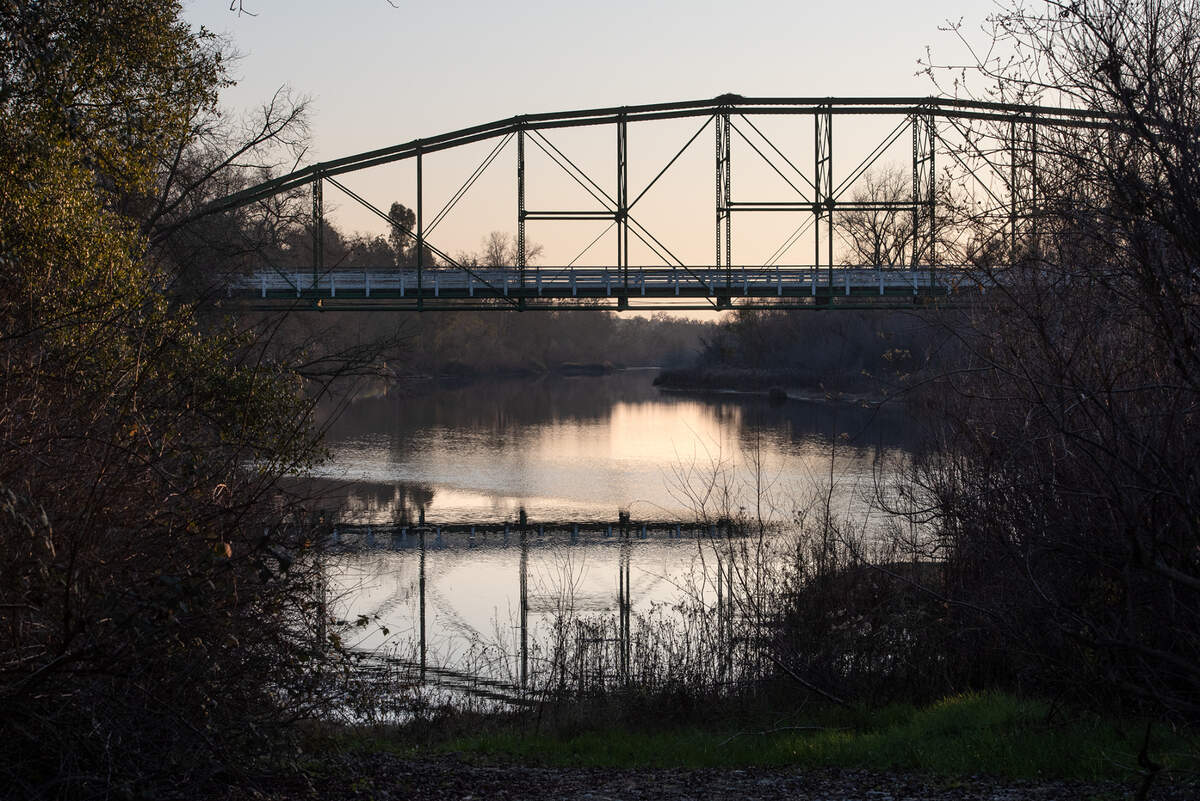
The Trust and other groups also support restoration of natural floodplains. They buffer the threat to downstream homes while sustaining wildlife and recharging groundwater.
Tapping the Tuolumne since 1887
MID and TID use about half the Tuolumne supply on average. An eighth goes to the Hetch Hetchy system, serving parts of the Bay Area. The rest goes to farmers with riparian rights, close to the river, and to flows required for fish and water quality.
The two districts got their first rights to the Tuolumne soon after forming in 1887. The early 1890s brought La Grange Reservoir, a small impoundment still in use today. In 1923, the districts built Old Don Pedro Reservoir, holding up to 289,000 acre-feet. The current Don Pedro was completed in 1971, at 2.03 million acre-feet. It put its namesake dam completely underwater.
Tuesday’s action was the first time since 1951 that MID and TID have filed for new water rights. That was for the larger Don Pedro, which took two decades to license and build.
Today, the districts supply about 210,000 acres of farmland. MID also treats water for use in Modesto and a few smaller cities. Turlock and Ceres residents will get treated river water from a plant scheduled for completion next year.
The new rights would apply to excess runoff between Nov. 1 in a wet year and the following June 14. That roughly coincides with the start of the storm season and much of the snowmelt that ensues.
Several possible reservoir sites
The application examines several projects that could contain high flows that now go out to sea via the Sacramento-San Joaquin Delta. Some were studied in the past by the districts or other agencies. The cost estimates are still being refined, MID spokeswoman Melissa Williams said by email Friday.
Several projects are off-stream storage, which can be less controversial than damming rivers. They would use earthen embankments to hold water delivered by canals.
Details on all the possible surface projects:
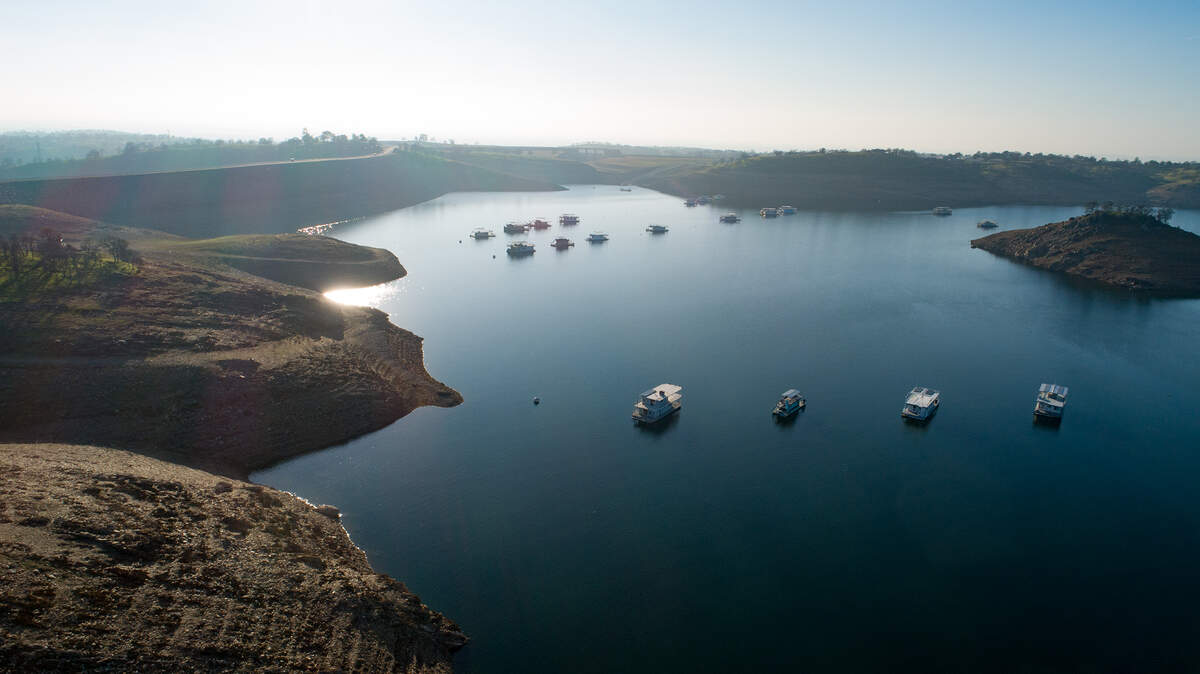
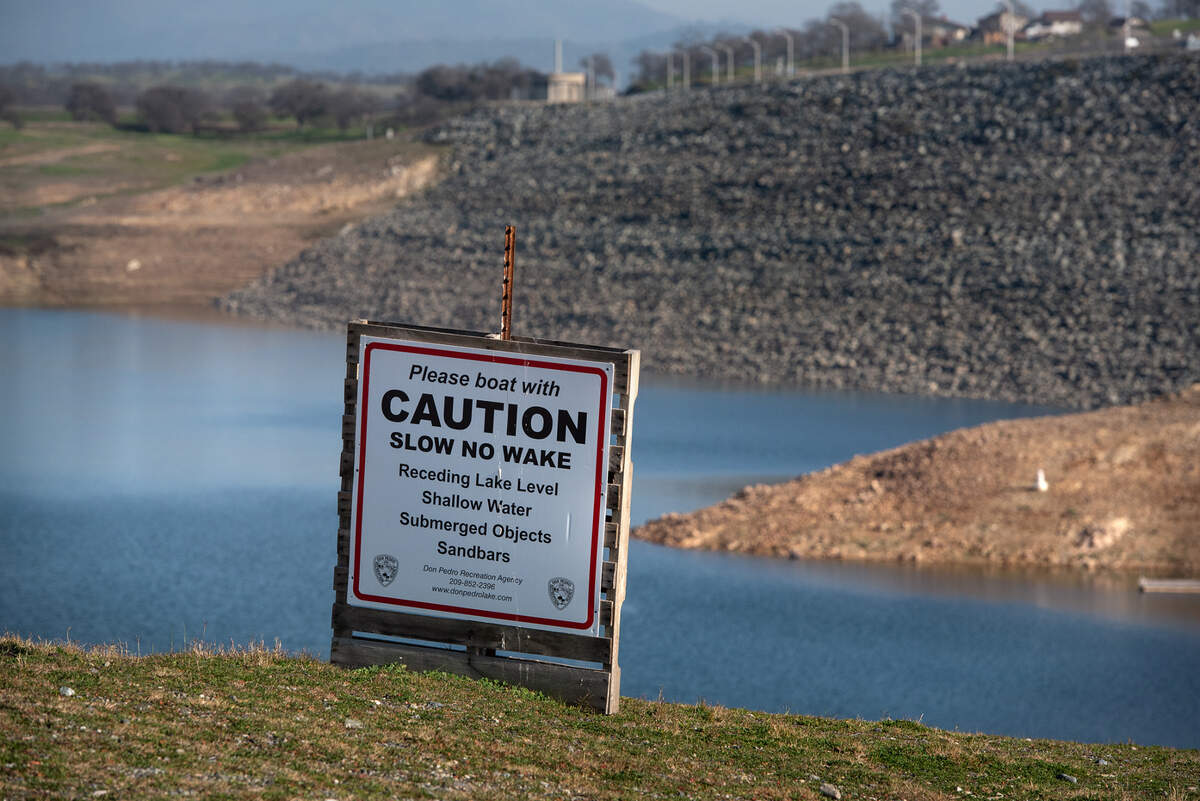
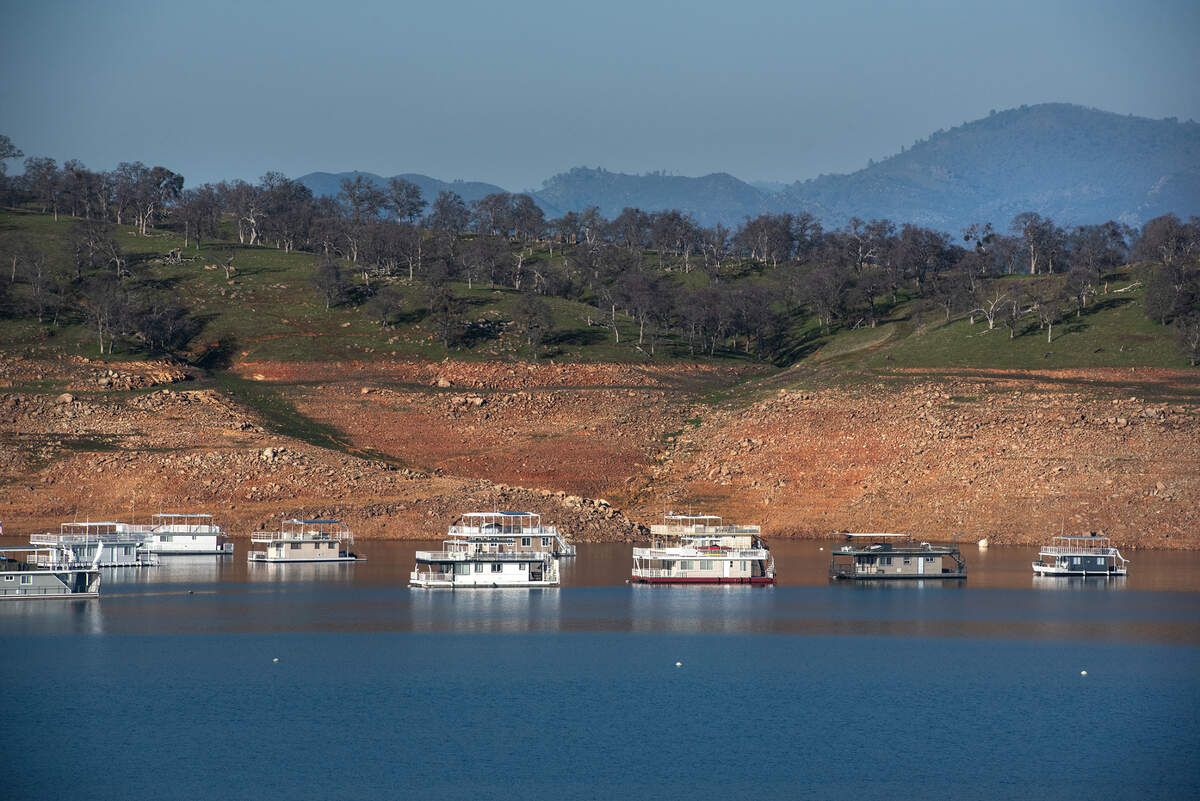
Enlarging Don Pedro: Raising the dam could add 105,722 acre-feet of storage, about 5% of the current capacity. But this could back the reservoir into part of a whitewater stretch treasured by rafters. Don Pedro is already the sixth-largest reservoir in California and the biggest under local rather than state or federal ownership.
New Melones connection: The northernmost arm of Don Pedro lies just a few miles from the southern end of New Melones. They could be connected with a pipeline or tunnel across Highway 108-120. New Melones can hold up to 2.4 million acre-feet. The Oakdale and South San Joaquin irrigation districts have rights to the first 600,000 acre-feet of inflow each year. The reservoir also supplies the federal Central Valley Project via massive pumps in the Delta.
Lower Cooperstown off-stream reservoir: An embankment at this spot could contain up to 192,000 acre-feet. It is about three miles northwest of Modesto Reservoir, an existing part of MID’s distribution.
Upper Cooperstown off-stream: 110,000 acre-feet, five miles northeast of Modesto Reservoir.
Roberts Ferry off-stream: 16,000 acre-feet, just east of Modesto Reservoir.
Cardoza Ridge off-stream storage: 503,200 acre-feet, four miles east of La Grange.
Montgomery Lake off-stream: 517,000 acre-feet, eight miles south of La Grange.
Dickenson Lake off-stream: 104,000 acre-feet, two miles west of Turlock Lake, which is part of TID’s system.
Recharging aquifers
The groundwater recharge in the application includes the current practice of providing extra water to farmers in wet years. It can reach the aquifers if they use flood irrigation rather than drip or sprinklers.
Recharge also can happen in basins built for this purpose, or through seepage from reservoir bottoms. The districts note that these efforts will help them comply with a state mandate to make groundwater use sustainable by about 2040.
The listed projects total 3.46 million acre-feet of storage, well above the 2.7 million sought in the application. Only some of the projects would be carried out.
“We will explore all possibilities for financing including partnerships with other agencies and applying for any available outside funding,” Williams said.
The Tuolumne River Trust has just begun the review the application.
“We’ll keep an open mind and will likely weigh in once the EIR is available,” Drekmeier said. “... What we want to avoid is enabling conditions on the Tuolumne to become even worse.”
This story was originally published January 31, 2022 at 6:00 AM.