Top cocktail for U.S. Open tennis fans used 2.3 million melon balls from Turlock
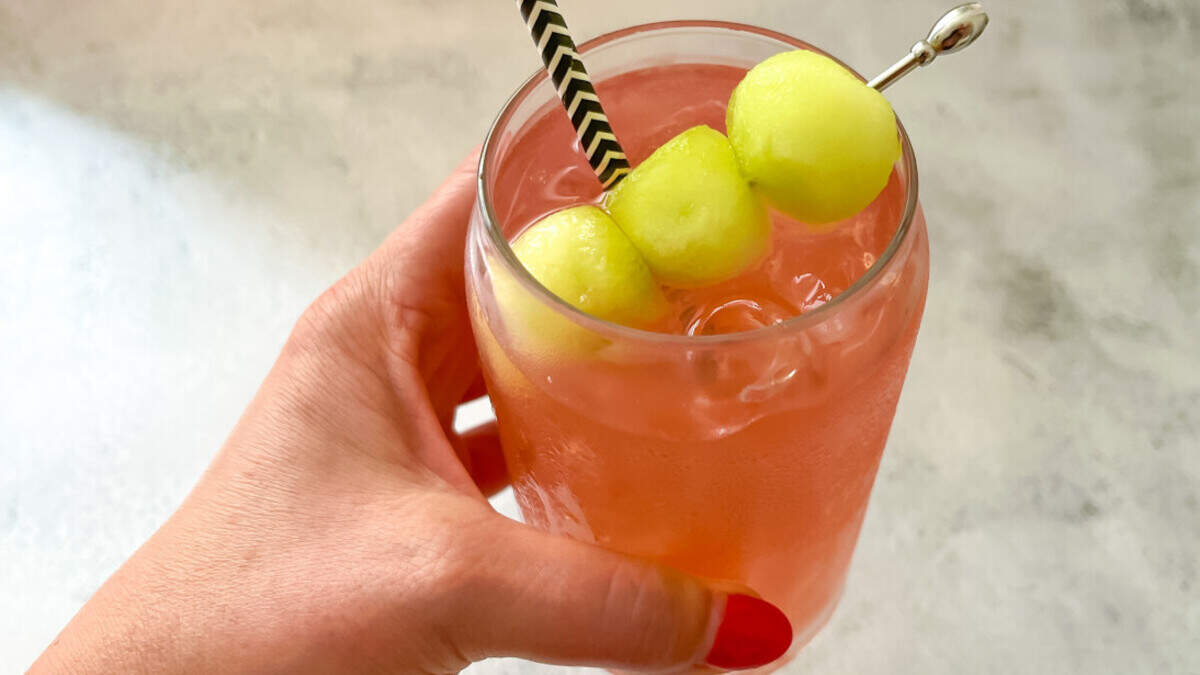
Last month, Turlock Fruit Co. loaded about 38,500 honeydew melons onto trucks bound for a huge New York City event.
They garnished a cocktail that has become the top seller at the U.S. Open tennis tournament over two decades. The latest ended Sunday, Sept. 7, at Arthur Ashe Stadium in Queens.
The drink is called the Honey Deuce, the second word referring to a tied game in tennis. A bartender mixes lemonade, vodka and raspberry liqueur in a tall plastic glass and tops it with three melon balls on a plastic skewer.
The New York Times reported that upward of 750,000 of the cocktails were sold over the 15-day tournament, at $23 a pop. Among the fans are the now-engaged Taylor Swift and Travis Kelce, spotted sipping in 2024.
“It’s definitely become a thing in New York,” Manhattan resident Ally Golden told the Times. “People want to post that they’re there, post their Honey Deuce on Instagram.”
.jpg "03f3d32c-be09-4a8a-8a00-d65e1cc88014 (2).jpg")
The drink was concocted in 2006 by New York restauranteur and mixologist Nick Mautone. He did it at the request of Grey Goose vodka, a tournament sponsor. The melon balls from Turlock were in it from the start.
“It’s a small part of our overall volume, but it’s a great order to have,” said Steve Smith, third-generation owner of Turlock Fruit Co. He spoke by phone with The Modesto Bee during a break from the hectic harvest.
James “Cantaloupe” Smith founded the company in 1918. It was later run by his son, Don Smith, who died in July at 95. Steve Smith manages it with his own son, Alec Smith, and son-in-law Neill Callis.
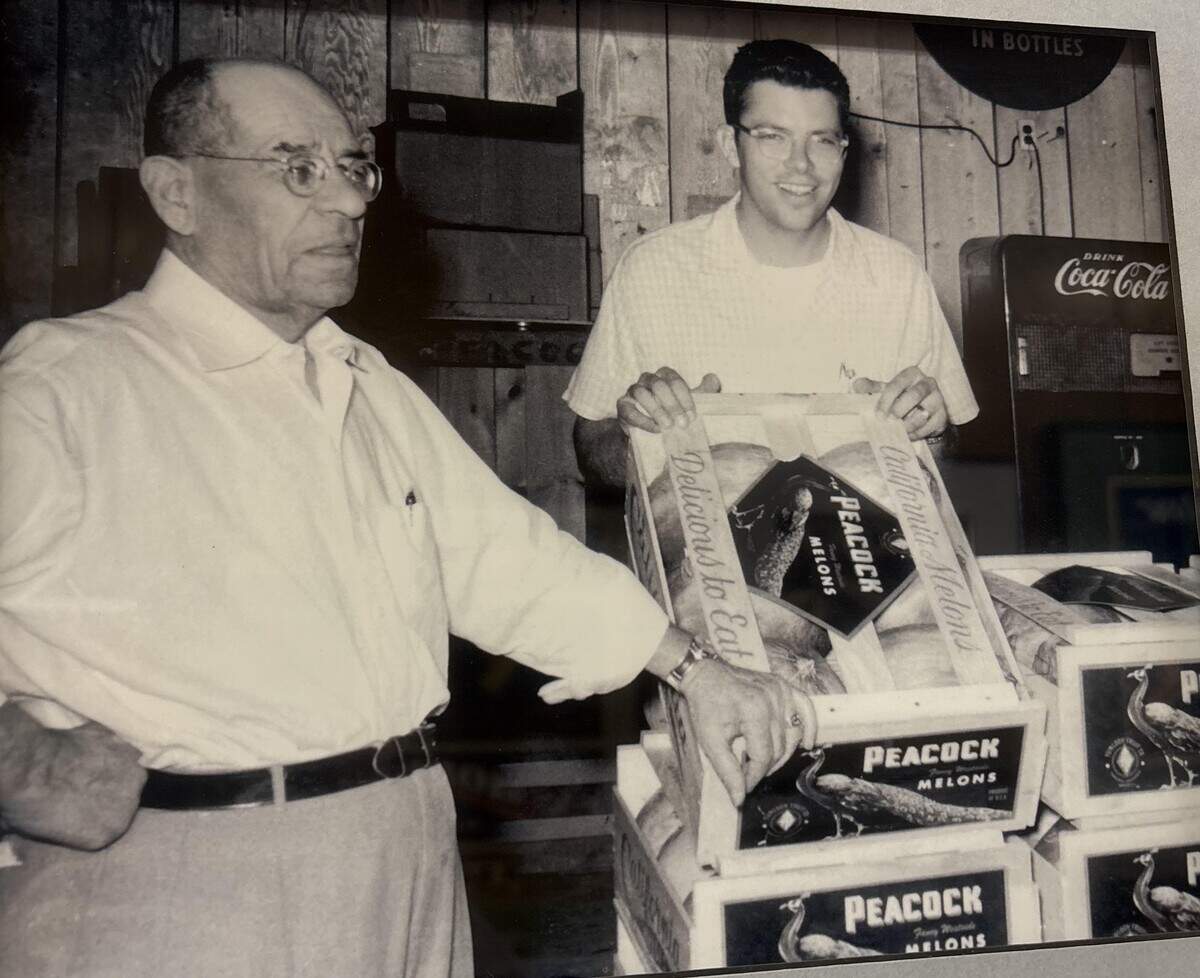
The business employs about 50 people year-round, expanding to 300 to 400 during the harvest. The crop grows around the San Joaquin Valley and is packed on South Tully Road in Turlock and at a plant west of Firebaugh.
The company is a leading producer of cantaloupes, crenshaws, casabas and other types. They are trucked to buyers in North America and go by ship to Japan, South Korea and Taiwan. Smith declined to disclose the total volume.
Melons are not a major crop in the New York area, due to frequent summer rain. They flourish in the San Joaquin Valley thanks to several months of warm days and cool nights. Irrigation helps, too.
The Times said the honeydews were trucked with their rinds intact over about four days, kept at 44 degrees. Their first stop was Baldor Speciality Foods in the Bronx, a tournament supplier.
““They leave the fruit on the vine the longest, so it gets pretty sweet while it’s out there,” said Jared Walton, director of national accounts and sales operations at Baldor.
Workers started at 6 a.m. each tournament day to slice the melons open and scoop out the balls. When lined up on a skewer, they look like three yellow-green tennis balls in a can from a sporting goods store. That’s not by accident.
A total of about 2.3 million melon balls came through the stadium between the early rounds and the finals. An estimated $17 million was spent by Honey Deuce drinkers. That helped with costs that include the $5 million prizes for women’s singles winner Aryna Sabalenka and Carlos Alcarez on the men’s side.
Melons were among the first major crops when the Turlock Irrigation District completed its canals. That history will be celebrated at the Turlock Melon Carnival, on downtown streets Sept. 20-21. It re-creates a 1911 gathering that evolved into the annual Stanislaus County Fair. Details are on the carnival’s Facebook page.
This story was originally published September 13, 2025 at 8:52 AM.