¿Cómo puede saber si se ha infectado con la última cepa de COVID-19? ¿Pueden detectarla las pruebas en casa? ¿Y qué puede hacer para evitar enfermarse?
Esto es lo que necesita saber:
Getty Images
Los niveles actuales de COVID-19 en California
Hasta el viernes, los niveles de actividad de COVID-19 en California eran “muy altos”, según los últimos datos de los Centros Federales de Control y Prevención de Enfermedades (CDC).
Según el Departamento de Salud Pública de California, el 9 de agosto, el estado tenía una tasa promedio de positividad de las pruebas del 14.3 % durante un período de siete días.
Eso fue un aumento del 2.3% de lo que era la semana anterior, indicó el departamento en su sitio web.
El departamento de salud del estado informó que, por el 9 de agosto, el COVID-19 fue la causa del 1.8% de las muertes totales en California durante los últimos siete días.
La nueva variante del coronavirus que está circulando
Según los últimos datos del CDC, los casos de la nueva cepa, conocida como KP.3.1.1, casi se han duplicado en las últimas semanas.
Hasta el viernes, la variante se asociaba con alrededor del 36.8 % de todos los casos de COVID-19.
Eric Topol, profesor de medicina molecular en Scripps Research, escribió en una publicación en X que la nueva variante representa “un mayor desafío para nuestra respuesta inmunológica que KP.3 y las variantes anteriores”, especialmente para aquellos que no están vacunados con las últimas versiones.
New US Covid genomic surveillance The KP.3.1.1 variant is on the move to become dominant, more of a challenge to our immune response than KP.3 and prior variants (especially without new KP.2 booster when we need it for high-risk individuals) pic.twitter.com/swyPx9bHCH
KP.3.1.1 se encuentra entre las nuevas cepas del coronavirus conocidas como variantes “FLiRT”, según la Sociedad de Enfermedades Infecciosas de los Estados Unidos.
Las nuevas cepas de COVID-19 son “de hecho más transmisibles que la cepa original (ancestral) del SARS-CoV-2”, pero las variaciones en los síntomas entre las variantes FLiRT y la cepa original de COVID-19 aún no se han identificado, informó la asociación médica en julio.
Daniel Hunt dhunt@sacbee.com
Los síntomas de KP.3.1.1 son similares a los de otras variantes de COVID-19. Entre ellos se incluyen:
Fiebre o escalofríos
Tos
Dificultad para respirar
Fatiga
Dolor muscular o corporal
Dolor de cabeza
Pérdida repentina del gusto o del olfato
Dolor de garganta
Congestión o secreción nasal
Náuseas o vómitos
Diarrea
¿Los exámenes caseros detectarán las variantes?
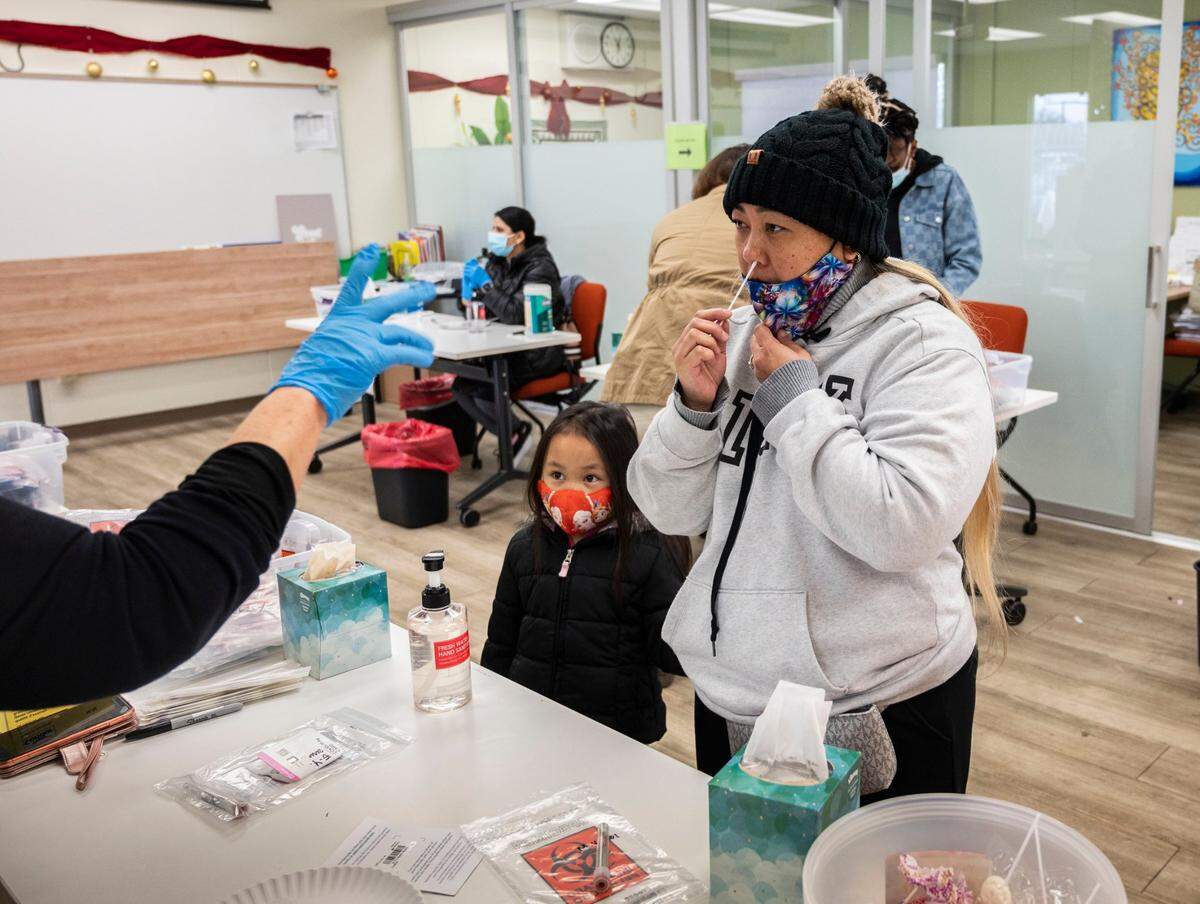
“Esperamos que las pruebas de COVID funcionen bien contra todas las variantes del virus”, dijo el CDC a The Sacramento Bee en enero.
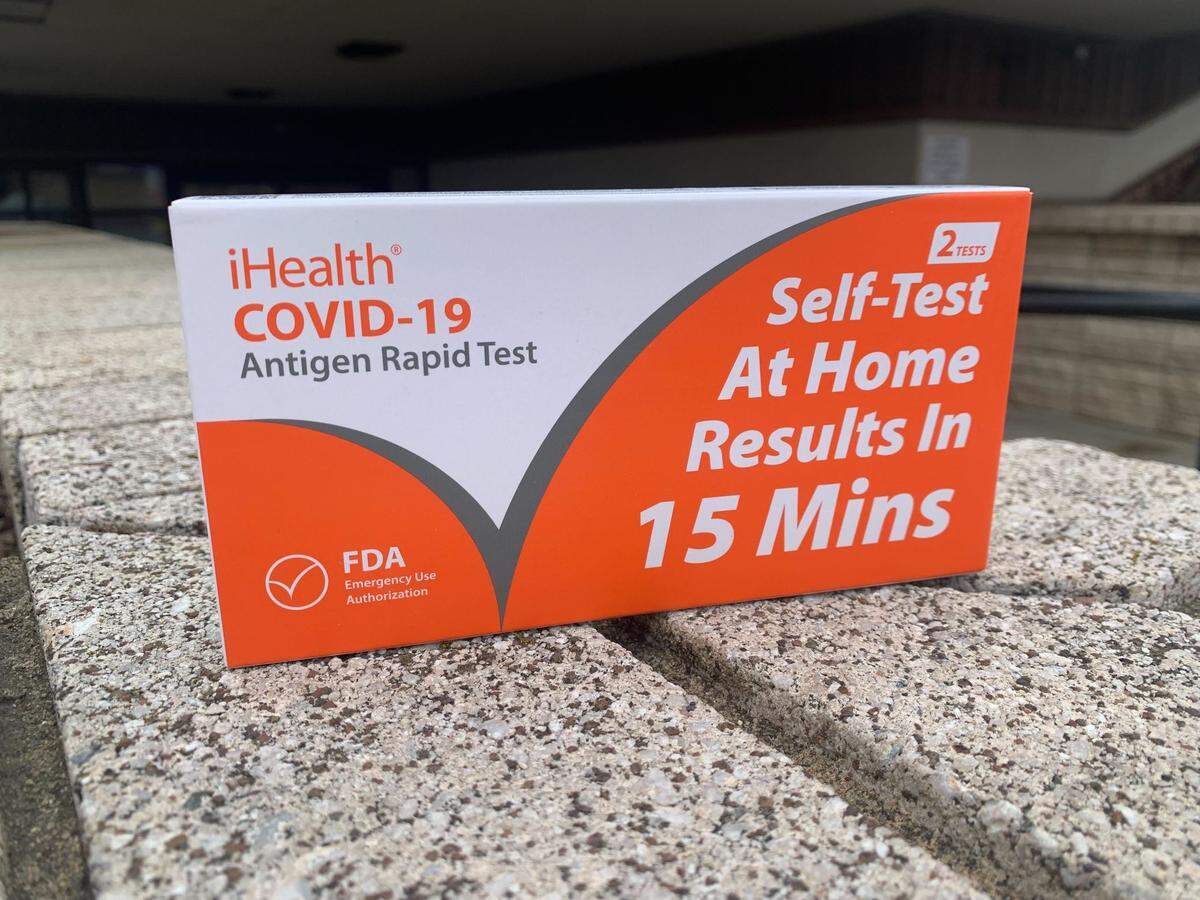
El sitio web de la Administración de Alimentos y Medicamentos (FDA) indica que las pruebas típicamente confirmarán si usted tiene SARS-CoV-2 o una de sus cepas, pero las pruebas no pueden identificar qué variante específica tiene.
Hector Amezcua Sacramento Bee file
“La FDA continúa realizando análisis para identificar pruebas con rendimientos que pueden verse afectados por las variantes conocidas del SARS-CoV-2”, afirma el sitio web de la administración.
El CDC dijo que una prueba de reacción en cadena de polimerasa, que realiza un médico y se procesa en un laboratorio, es más confiable para detectar si usted es negativo para COVID.
Si realiza una prueba en casa, el resultado negativo no siempre puede ser preciso.
Getty Images/iStockphoto
“Los resultados positivos son muy precisos y confiables”, afirmó el CDC sobre las pruebas de antígenos. “Sin embargo, en general, las pruebas de antígenos tienen menos probabilidades de detectar el virus que las pruebas de PCR, especialmente cuando los síntomas no están presentes. Por lo tanto, una sola prueba de antígenos negativa no significa que no hay infección”.
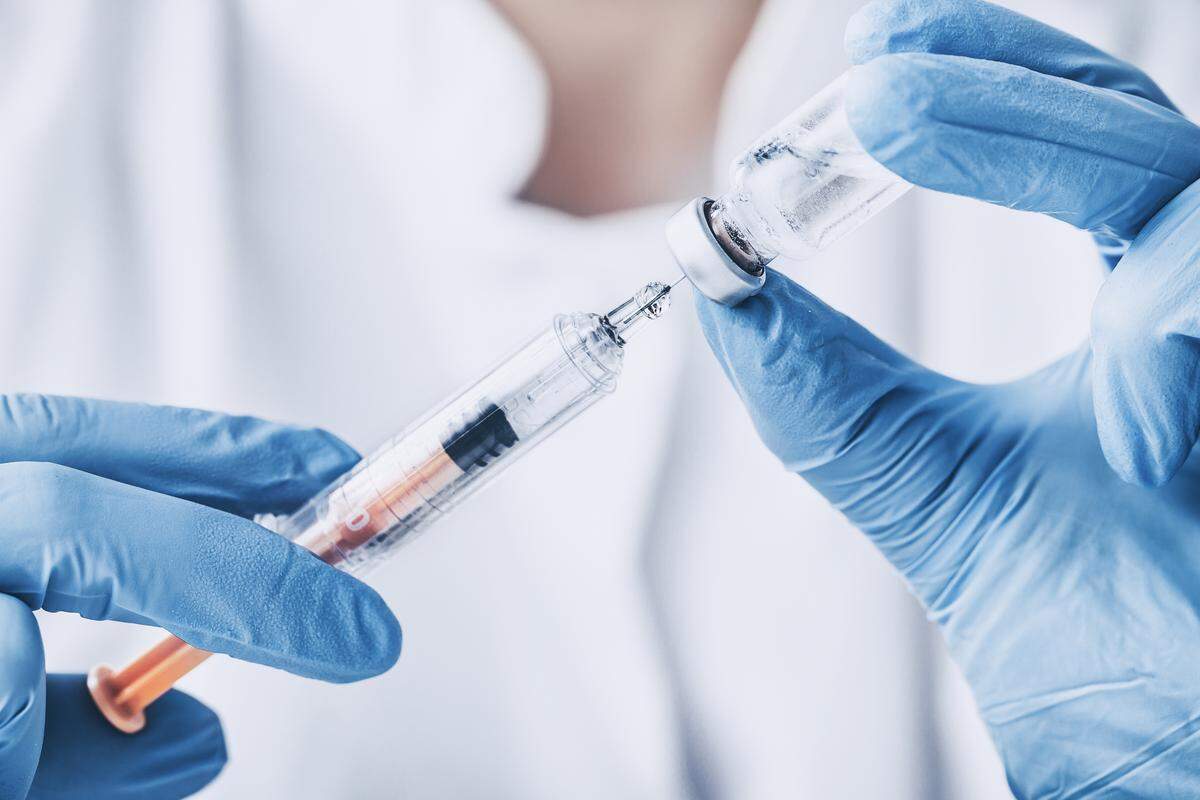
“La vacuna más nueva funciona muy bien” para protegerse de las variantes de FLiRT, dijo el Dr. Peter Chin-Hong a The Bee en mayo. Él es profesor y médico especializado en enfermedades infecciosas en la Universidad de California, San Francisco.
Las vacunas se actualizan constantemente para incluir la última cepa de COVID-19 para ayudar a las personas a evitar enfermedades graves y hospitalizaciones, dijo Chin-Hong.
How can you tell if you’ve been infected with the latest COVID-19 strain? Can at-home tests detect it? And what can you do to avoid getting sick?
Here’s what you need to know:
What are the current COVID-19 levels in California?
As of Friday, COVID-19 activity levels in California were “very high,” according to the latest data from the federal Centers for Disease Control and Prevention.
As of Aug. 9, the state of California had an average test positivity rate of 14.3% over a seven-day period, according to the California Department of Public Health.
This is an increase of 2.3% compared to the previous week, the department said on its website.
The state health department reported that COVID-19 was the cause of 1.8% of total deaths in California over the previous seven days, as of Aug. 9.
Eric Topol, a molecular medicine professor at Scripps Research, wrote in a post on X that the new variant poses “more of a challenge to our immune response than KP.3 and prior variants” — especially for those without latest vaccinations.
While the new strains of COVID-19 are “indeed more transmissible than the original (ancestral) strain of SARS-CoV-2,” variations in symptoms between the FLiRT variants and the original COVID-19 strain have not yet been identified, the medical association reported in July.
Symptoms of KP.3.1.1 are similar to those of the other COVID-19 variants. They include:
Fever or chills
Cough
Shortness of breath or difficulty breathing
Fatigue
Muscle or body aches
Headache
New loss of taste or smell
Sore throat
Congestion or runny nose
Nausea or vomiting
Diarrhea
Will at-home tests detect COVID variants?
While the presence of mutations in SARS-CoV-2 can potentially impact test performance, the COVID-19 tests are designed to detect all known variants, according to the U.S. Food and Drug Administration’s website.
“We expect COVID tests to work well against all versions of the virus,” the CDC told The Sacramento Bee in January.
While the Food and Drug Administration’s website states that tests will typically confirm if you have SARS-CoV-2 or one of its strains, the tests cannot identify which specific variant you have.
“The FDA continues to conduct analyses to identify tests for which performance may be impacted for known SARS-CoV-2 variants,” the administration’s website states.
The CDC said a polymerase chain reaction test, which is taken by a doctor and processed in a lab, is more reliable in detecting if you are negative for COVID.
If you take an at-home test, a negative result may not always be accurate.
“Positive results are very accurate and reliable,” the CDC said about antigen tests. “However, in general, antigen tests are less likely to detect the virus than PCR tests, especially when symptoms are not present. Therefore, a single negative antigen test cannot rule out infection.”
Will vaccines protect me against coronavirus variants?
“The newest vaccine works really well” to protect yourself from FLiRT variants, Dr. Peter Chin-Hong, a professor and doctor specializing in infectious disease at the University of California, San Francisco, told The Bee in May.
Vaccines are consistently updated to the latest strain of COVID-19 to help people avoid severe disease and hospitalization, Chin-Hong said.
CORRECCIÓN: An earlier version of this story included a photo of a COVID-19 antigen rapid test kit with a caption that incorrectly stated that Sacramento Public Library and Folsom Public Library locations are giving out free test kits. This is no longer the case. The error has been corrected.
Angela Rodriguez is a service journalism reporter for The Bee. She is a graduate of Sacramento State with a bachelor’s degree in journalism. During her time there, she worked on the State Hornet covering arts and entertainment.