
Prop. 31 gives Californians another reason to hate Big Tobacco
I spent the past few weeks trying to chase down someone from the tobacco industry to speak to a group of opinion editors from McClatchy’s California newspapers, which include The SLO Tribune, The Sacramento Bee, Fresno Bee and Modesto Bee.
My request was simple: We wanted to hear from the folks campaigning against Proposition 31. That’s the ballot measure that would ban the sale of flavored tobacco products in California.
PR firms, a tobacco trade group and various anti-nanny-state organizations were unreachable or failed to return my calls.
Jon Coupal, the president of the Howard Jarvis Taxpayer’s Association, had written an op-ed against Prop. 31, but because the association had not taken a position, he declined our invitation.
I’d given up on hearing from anyone authorized to speak against Prop. 31 when an email from the Sacramento-based Miller Public Affairs Group landed in my inbox.
“On behalf of the campaign, we are declining your offer to meet with the editorial board but we are open to addressing any questions you may have,” it said.
Well, that was weird.
Major tobacco companies have spent more than $20 million to kill — or at least delay — the ban on flavored tobacco products passed by the Legislature in 2020.
They did it by bankrolling a signature-gathering campaign to put Proposition 31 on the November ballot.
And now they’re not even willing to talk about it?
Not only that, they don’t seem to be doing much campaigning. I’ve yet to hear a radio spot or see a single billboard — and hey, I was down in L.A. last weekend, stuck in lots of traffic with nothing to do but listen to the radio and look at billboards.
Are they trying to lose this battle, or do they realize they don’t stand a chance, so why bother?
Big Tobacco vs. Big Health
Lining up in support of Prop. 31 are the American Heart Association, the American Lung Association, the American Cancer Society Cancer Action Network, the American Academy of Pediatrics, the NAACP, the California State PTA, the League of Women Voters, the California Democratic Party and many others.
The organized opposition includes a slew of tobacco companies and the California Republican Party.
Nor can tobacco companies rely on a strong consumer base. In California only 11.2% of adults are tobacco smokers; Utah is the only state with a lower smoking rate, according to the American Lung Association.
Another thing: Many cities and counties already have local bans on the sale of flavored tobacco products, so this is not a new idea.
Then why pour more millions of dollars into what looks like a lost cause?
Consider the timing: SB 793, the statewide ban on tobacco, was scheduled to take effect in January 2021, but a hold was placed on the legislation when the referendum petitions were filed.
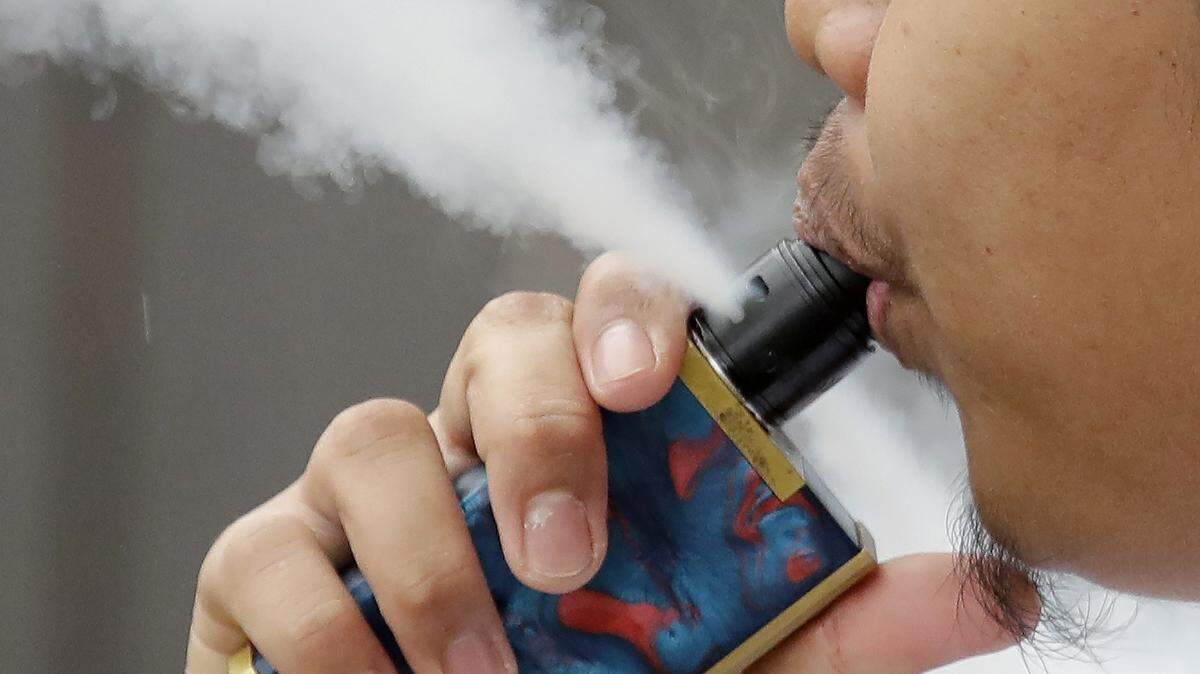
That’s given tobacco companies two years to continue selling flavored products that include cigarettes, vape pens, cigars and smokeless tobacco with enticing names like unicorn milk ice, tropical mix and sweet mint.
During this window of opportunity, tobacco companies will gain an estimated $830 million in revenue just from sales of menthol cigarettes, a Yes on Prop. 31 official told the Bay Area New Group.
That makes $20 million in campaign costs look like chicken feed — and it makes the tobacco industry folks look like ruthless opportunists who will stop at nothing in the name of corporate greed.
A double standard?
Granted, the tobacco industry isn’t admitting that the referendum was merely a ploy to secure a two-year grace period.
They offer boilerplate language about the harm to small businesses, the loss of funds for education, the redundancy of a ban — there’s already a law against selling tobacco products to minors — and the general unfairness of it all.
There is some validity to that last point; the tobacco industry is the victim of a double standard.
For example, the liquor industry offers all sorts of fruit-flavored booze, arguably to entice young people to give it a try. Yet you don’t see anybody threatening to ban hard lemonade or strawberry margaritas, even though recent medical reports are raising fresh concerns about whether any amount of alcohol is safe to consume at any age.
Still, other arguments aside, there’s something cynical and reprehensible about putting a measure before voters — not with an expectation of success — but simply to buy time to reap more profits.
If that’s indeed what’s happening.
We can’t say that for sure, because Big Tobacco isn’t talking.
This story was originally published September 21, 2022 at 12:00 AM with the headline "Prop. 31 gives Californians another reason to hate Big Tobacco."